





















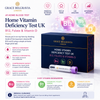
At home vitamin blood test
Home Vitamin Deficiency Test UK | B12, Folate & Vitamin D
A three marker home blood test measuring total vitamin B12, serum folate and vitamin D through a UK laboratory pathway.
The panel provides selected information about vitamins involved in blood formation, neurological health, DNA synthesis and bone health. Results should be interpreted with symptoms, supplements, medicines, diet and possible absorption problems.
This product does not include a full blood count, ferritin, iron, calcium, magnesium, zinc, active B12, methylmalonic acid, homocysteine or tests for the cause of malabsorption.
Seek prompt medical assessment for new weakness, difficulty walking, rapidly worsening numbness, confusion, visual change, seizures, severe breathlessness, chest pain or concerning symptoms during pregnancy.
Quality and compliance
Home vitamin testing supported by UK standards
What this vitamin deficiency test measures
| Marker | Primary role | Important limitation |
|---|---|---|
| Total vitamin B12 | Red blood cell production, DNA synthesis and neurological function | Total B12 is not the same as active B12 and may need confirmatory testing. |
| Serum folate | DNA synthesis, cell division and red blood cell production | Reflects recent intake and must be interpreted with vitamin B12. |
| 25 hydroxyvitamin D | Calcium regulation, bones and muscle function | Symptoms are non specific and higher levels are not automatically better. |
Who may consider this test?
This home vitamin blood test may be considered by adults seeking selected vitamin information in the context of:
- Persistent tiredness, weakness or a sore tongue alongside clinical assessment
- Pins and needles, numbness, balance or memory concerns
- Bone pain, muscle weakness or known osteoporosis risk
- A vegan or highly restricted diet
- Coeliac disease, bowel surgery, inflammatory bowel disease or another malabsorption risk
- Metformin, proton pump inhibitors, antiepileptics or other relevant medicines
- Pregnancy planning or pregnancy where folate advice is required
- A previous low, high or borderline vitamin result
Tiredness and low mood are non specific and may have causes not measured by this panel.
How the home vitamin test works
Record supplements and medicines
Note all tablets, sprays, injections, fortified products, medicines and recent treatment.
Collect and return
Collect capillary blood into the supplied microtainer and return it using the provided packaging.
Review the cause, not only the number
Interpret each result with symptoms, diet, absorption, medicines and related blood tests.
Preparing for the test
| Preparation | What to do |
|---|---|
| Fasting | Fasting is not generally required. Follow the supplied kit instructions. |
| Vitamin B12 | Record tablets, oral sprays, injections and the date of the most recent dose. |
| Folate | Record folic acid, prenatal vitamins, fortified products and relevant medicines. |
| Vitamin D | Record the daily or weekly dose, calcium products and any recent loading course. |
| Prescribed treatment | Do not stop prescribed replacement or injections unless a clinician advises you to do so. |
| Pregnancy | Record pregnancy or pregnancy planning and follow NHS folic acid and vitamin D advice. |
| Related conditions | Record coeliac disease, bowel surgery, autoimmune gastritis, kidney disease, liver disease and malabsorption. |
Common vitamin result patterns
These simplified patterns support discussion and are not diagnoses.
| Pattern | Possible context | Possible next step |
|---|---|---|
| Low B12 with neurological symptoms | May indicate clinically important deficiency even without confirmed anaemia. | Arrange prompt medical assessment and investigation of the cause. |
| Borderline B12 with persistent symptoms | Total B12 may not fully reflect functional deficiency. | Consider active B12, methylmalonic acid, homocysteine and a full blood count. |
| Low folate with unknown B12 status | Folate replacement could improve anaemia while untreated B12 neurological injury continues. | Assess vitamin B12 before starting folic acid treatment. |
| High B12 or folate while supplementing | Often reflects recent tablets, injections or fortified products. | Review dose and timing rather than assuming toxicity. |
| Vitamin D below 25 nmol/L | Deficiency associated with musculoskeletal and bone health risk. | Discuss replacement and whether calcium or other investigations are required. |
Biomarkers and result interpretation
Select each marker to read what it measures, preparation guidance and how low, normal, high or urgent results may be considered.
Total vitamin B12
Vitamin B12 supports red blood cell formation, DNA synthesis and normal neurological function. This test measures total circulating vitamin B12 rather than active B12.
Total B12 is useful as a first line marker but should be interpreted with symptoms, a full blood count, supplement use, medicines and possible malabsorption. Neurological deficiency can occur without anaemia.
Where symptoms and total B12 do not agree, NICE guidance may support further testing with active B12, methylmalonic acid or homocysteine depending on the clinical situation.
Fasting is not generally required. Record multivitamins, vitamin B12 tablets, sprays or injections, folic acid, vitamin D, calcium products and any recent high dose treatment. Do not stop prescribed supplements without medical advice.
How to understand this result
| Result | What it may mean | What to do |
|---|---|---|
| Critical low | A markedly low result may support significant deficiency, particularly with neurological or haematological symptoms. | Arrange prompt clinical review. Do not delay treatment where a clinician suspects serious neurological involvement. |
| Low | May occur with autoimmune gastritis, pernicious anaemia, dietary insufficiency, malabsorption, bowel surgery or medicine effects. | Discuss the cause, a full blood count and whether confirmatory or treatment tests are needed. |
| Normal | Falls within the laboratory interval. | A normal result does not completely exclude deficiency when symptoms, supplements or clinical risk remain significant. |
| High | Most commonly reflects supplements or injections, but persistent unexplained elevation can occur with liver, kidney, inflammatory or haematological conditions. | Review supplement timing and discuss a persistent unexplained result with a GP. |
| Critical high | A very high result is not usually an acute toxicity diagnosis, but may warrant investigation when not explained by treatment. | Seek clinical review rather than assuming the vitamin itself is causing severe symptoms. |
Vitamin D (25 hydroxyvitamin D)
25 hydroxyvitamin D is the standard blood marker used to assess vitamin D status. Vitamin D supports calcium regulation, bones and muscle function.
Routine testing is not recommended for every asymptomatic adult. The result should be considered with musculoskeletal symptoms, bone health, sunlight exposure, skin pigmentation, diet, supplements and medical history.
Fasting is not generally required. Record multivitamins, vitamin B12 tablets, sprays or injections, folic acid, vitamin D, calcium products and any recent high dose treatment. Do not stop prescribed supplements without medical advice.
How to understand this result
| Result | What it may mean | What to do |
|---|---|---|
| Deficient | Below 25 nmol/L is classified as deficient in many UK pathways. | Discuss replacement, possible causes and whether calcium or other investigations are required. |
| Insufficient | 25 to 50 nmol/L may be inadequate for some people, particularly where symptoms or risk factors are present. | Review supplementation, diet and safe sunlight advice with a clinician or pharmacist. |
| Sufficient | Above 50 nmol/L is sufficient for most adults in many UK pathways. | Avoid assuming that progressively higher levels provide additional benefit. |
| High | A high result is commonly related to supplementation and may require review of the dose and calcium status. | Stop non prescribed high dose products and seek clinical advice. |
| Consider toxicity | Very high vitamin D can cause hypercalcaemia, with thirst, frequent urination, nausea, constipation, weakness or confusion. | Arrange prompt medical assessment. |
Serum folate (vitamin B9)
Folate is needed for DNA synthesis and normal red blood cell production. Serum folate reflects recent circulating folate and can change with diet, fortified food and supplements.
A low result may support deficiency, but the cause must be investigated. Vitamin B12 should be assessed before folic acid treatment because folic acid can improve anaemia while neurological B12 deficiency continues.
Most people who may become pregnant are advised to take 400 micrograms of folic acid daily before conception and through the first 12 weeks. Higher doses require clinical guidance.
Fasting is not generally required. Record multivitamins, vitamin B12 tablets, sprays or injections, folic acid, vitamin D, calcium products and any recent high dose treatment. Do not stop prescribed supplements without medical advice.
How to understand this result
| Result | What it may mean | What to do |
|---|---|---|
| Critical low | A markedly low result may support significant folate deficiency, particularly with anaemia, pregnancy or severe nutritional risk. | Arrange prompt clinical review and assess vitamin B12 before treatment. |
| Low | May occur with low intake, alcohol, malabsorption, pregnancy, increased requirements or medicines. | Discuss diet, medicines, a full blood count, vitamin B12 and the underlying cause. |
| Normal | Falls within the laboratory reference interval. | A normal serum folate does not rule out every cause of anaemia or neurological symptoms. |
| High | Most often reflects recent dietary intake, fortified foods or folic acid supplementation. | Review supplement dose and vitamin B12 status rather than treating the number as toxicity. |
| Critical high | A very high serum result is usually supplement related and is not itself a reliable explanation for severe neurological symptoms. | Discuss high dose folic acid use and ensure vitamin B12 deficiency has not been overlooked. |
What this panel does not include
| Not included | Why it may matter |
|---|---|
| Full blood count and blood film | May identify anaemia, macrocytosis and other blood cell changes. |
| Active B12 | Measures holotranscobalamin and may help when total B12 is borderline or discordant. |
| Methylmalonic acid and homocysteine | May support assessment of functional vitamin B12 or folate deficiency. |
| Intrinsic factor antibodies | May support investigation of autoimmune gastritis or pernicious anaemia. |
| Ferritin and iron studies | Iron deficiency can coexist with B12 or folate deficiency and also cause tiredness or anaemia. |
| Calcium, phosphate and parathyroid hormone | May be required where vitamin D is very low, very high or associated with bone or calcium symptoms. |
Evidence and content standards
How this product information was prepared
This page was prepared from the supplied three marker Essential Vitamins specification and checked against current NICE, NHS, UKAS and CQC information on total vitamin B12, serum folate, vitamin D, supplement interference, pregnancy and further investigation.
Clinical accountability
Nutritional evidence, patient safety and clinical governance review
The review roles are separated across nutritional interpretation, medical safety and clinical governance. The reviewers are not presented as consultant haematologists or metabolic bone specialists.
Dr Rimas Geiga
Medical Doctor, Nutritional Sciences Adviser and Healthy Ageing Expert
Reviewed dietary and supplement context, vitamin D, B12 and folate interpretation, malabsorption risks and responsible nutrition information.
View professional profileDr Snieguole Geige
Dentist, Medical Doctor and Senior Adviser
Reviewed neurological warning signs, folic acid masking risk, pregnancy cautions, medicine disclosure and appropriate follow up.
View professional profileDr Laura Geige
Medical Director, Senior Practitioner and Skin Expert
Reviewed claims compliance, patient facing clarity, supplement boundaries and the distinction between a laboratory concentration and a clinical diagnosis.
View professional profileAuthoritative references
UK vitamin testing and deficiency sources
View the evidence sources used
- NICE NG239: vitamin B12 deficiency in adults
- NHS: vitamin B12 or folate deficiency anaemia diagnosis and treatment
- NHS laboratory guidance on total vitamin B12 and serum folate
- NICE CKS: vitamin D deficiency in adults
- South West London NHS vitamin D guidance
- NICE maternal and child nutrition guidance on folic acid
- UKAS ISO 15189 medical laboratory accreditation information
- CQC guidance on diagnostic and screening procedures
Search led questions
Home vitamin deficiency test FAQs
Can I test vitamin levels at home?
Yes. This kit uses capillary blood collected at home and returned for laboratory analysis. It measures total vitamin B12, serum folate and 25 hydroxyvitamin D.
What vitamins does this blood test check?
The panel checks total vitamin B12, serum folate, also known as vitamin B9, and 25 hydroxyvitamin D.
Is this a complete vitamin and mineral blood test?
No. It measures three vitamins only. It does not include iron, ferritin, magnesium, zinc, calcium, vitamin B6, vitamin C or other micronutrients.
Do I need to fast for a vitamin blood test?
Fasting is not generally required for these three markers. Follow the kit instructions and record supplements, injections and recent high dose treatment.
Should I stop vitamin supplements before the test?
Do not stop prescribed supplements or injections without clinical advice. Supplements can influence results, so record the product, dose and timing. Where deficiency is being investigated, samples are ideally taken before replacement begins.
What is the difference between total B12 and active B12?
Total B12 measures vitamin B12 bound to several carrier proteins. Active B12 measures holotranscobalamin, the fraction available to cells. This product reports total B12 only.
Can a normal vitamin B12 result rule out deficiency?
No. Symptoms, supplements, pregnancy, medicines and laboratory limitations matter. Borderline or discordant results may require active B12, methylmalonic acid, homocysteine, a full blood count or further investigation.
What symptoms can occur with vitamin B12 deficiency?
Possible symptoms include tiredness, breathlessness, a sore tongue, pins and needles, numbness, balance problems, memory or concentration changes and visual symptoms. Neurological symptoms can occur without anaemia.
What can cause low vitamin B12?
Possible causes include autoimmune gastritis, pernicious anaemia, coeliac disease, bowel surgery, medicines such as metformin or proton pump inhibitors, dietary insufficiency and other malabsorption conditions.
What does a high vitamin B12 result mean?
A high result is commonly caused by supplements or injections. Persistent unexplained elevation can also occur with liver, kidney, inflammatory or blood conditions and may require clinical review.
Is a high vitamin B12 result toxic?
A high blood concentration does not usually mean acute vitamin B12 toxicity. It may reflect supplementation or another health condition, so interpretation should focus on the cause rather than assuming the vitamin itself is causing symptoms.
What does serum folate measure?
Serum folate reflects folate circulating in the blood and can change with recent dietary intake or supplements. It is useful in context but does not independently establish the cause of deficiency.
What can cause low folate?
Possible causes include low dietary intake, alcohol, coeliac disease, malabsorption, pregnancy, increased cell turnover and medicines such as methotrexate, some antiepileptics and trimethoprim.
What does a high folate result mean?
A high serum folate result most often reflects recent food fortification or folic acid supplementation. It is not usually a toxicity diagnosis, but supplement use and vitamin B12 status should be reviewed.
Can folic acid mask vitamin B12 deficiency?
Yes. Folic acid can improve the anaemia caused by vitamin B12 deficiency while neurological injury continues. Vitamin B12 should be assessed before treating suspected folate deficiency.
How much folic acid is recommended before pregnancy?
UK guidance advises most people who may become pregnant to take 400 micrograms daily before conception and through the first 12 weeks of pregnancy. Higher dose folic acid is used only for defined higher risk situations under clinical advice.
What vitamin D level is considered deficient in the UK?
Many UK pathways classify a 25 hydroxyvitamin D result below 25 nmol/L as deficient.
What vitamin D level is considered insufficient?
A level from 25 to 50 nmol/L may be inadequate for some people. Symptoms, bone health, risk factors, supplements and local laboratory guidance affect management.
What vitamin D level is considered sufficient?
A result above 50 nmol/L is considered sufficient for most adults in many UK pathways. Higher is not automatically better.
Can vitamin D levels be too high?
Yes. Very high vitamin D is most commonly caused by excessive supplementation and may lead to high calcium, causing thirst, frequent urination, nausea, constipation, weakness or confusion.
Can low vitamin D cause tiredness or low mood?
Low vitamin D may coexist with tiredness, muscle weakness or bone pain, but these symptoms are non specific. A result should not be used to attribute all tiredness or mood symptoms to vitamin D.
What tests may be needed after a low B12 or folate result?
A clinician may request a full blood count, blood film, active B12, methylmalonic acid, homocysteine, intrinsic factor antibodies, coeliac testing or other investigations based on symptoms and history.
When are vitamin deficiency symptoms urgent?
Seek prompt medical assessment for new weakness, difficulty walking, rapidly worsening numbness, confusion, visual change, seizures, severe breathlessness, chest pain or symptoms during pregnancy.
Are the laboratories UKAS accredited and CQC registered?
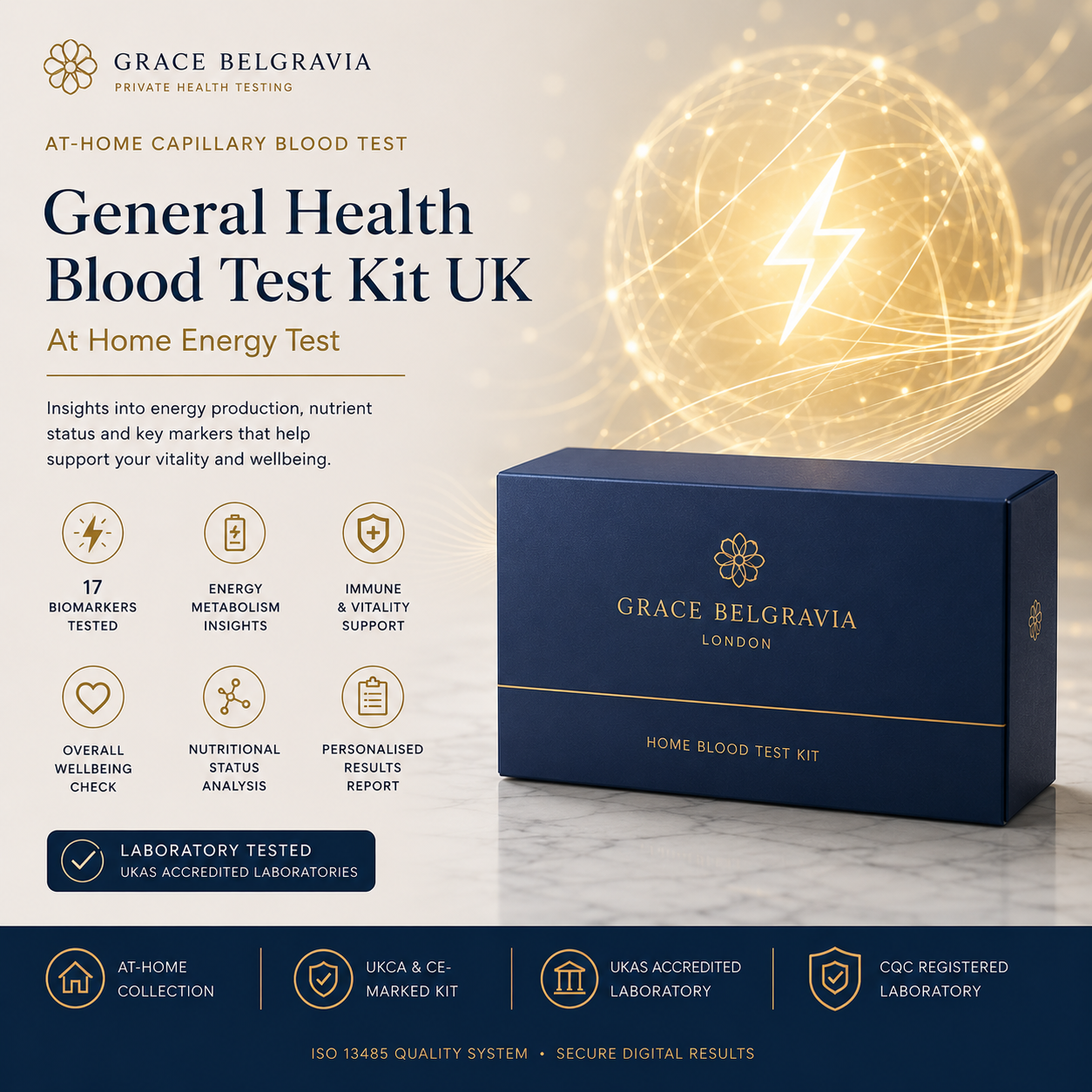
Samples are processed through UKAS accredited laboratories within a CQC registered diagnostic pathway. Collection equipment is UKCA and CE marked and supported by an ISO 13485 quality management framework.