















Private vitamin, mineral, iron and fatty-acid testing
Vitamin Deficiency, Iron & Nutrition Blood Test Home Kits UK
Compare focused vitamin D, iron, essential-vitamin and omega-3 tests with a broader vitamins, minerals and iron panel before choosing the private home blood kit that matches your question.
Fatigue, hair changes, low mood, weakness and dietary concerns are not specific to one nutrient. A useful test begins with the right biomarkers and an understanding of medicines, supplements, inflammation, blood loss, diet and medical history. More markers do not automatically make a panel more appropriate.

Seek prompt advice for new numbness, weakness, balance problems, severe breathlessness, chest pain, fainting, black stools, heavy bleeding, pregnancy-related concerns or symptoms suggesting significant anaemia. Do not delay care while waiting for a postal test.
Interactive test finder
What would you like to investigate?
Select the closest question. This navigation tool does not diagnose deficiency or determine whether testing is clinically necessary.
Symptoms and risk factors
Why people consider nutrition-related blood testing
Choose the test according to risk factors and the specific biomarkers needed. When symptoms are persistent, severe or unexplained, a healthcare professional may recommend a broader clinical assessment.
The Grace Belgravia experience
Private home testing with clearer nutritional context

A vitamin D test is different from an iron profile, and neither provides the same information as a wider nutritional panel.

Supplement dose, duration and safety depend on the nutrient, result, symptoms, medicines and underlying cause.
Browse the collection
Vitamin deficiency, iron and nutrition blood test home kits

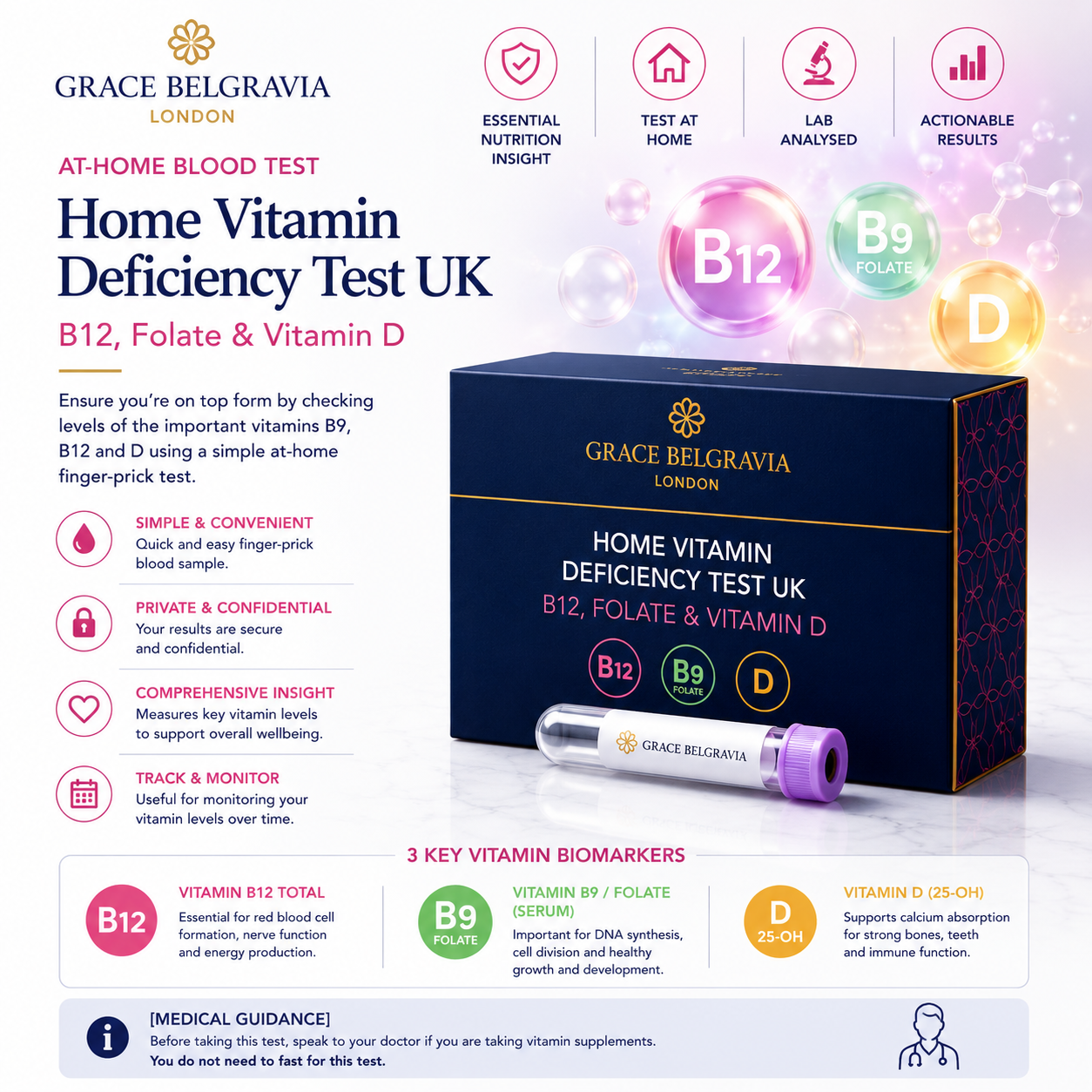
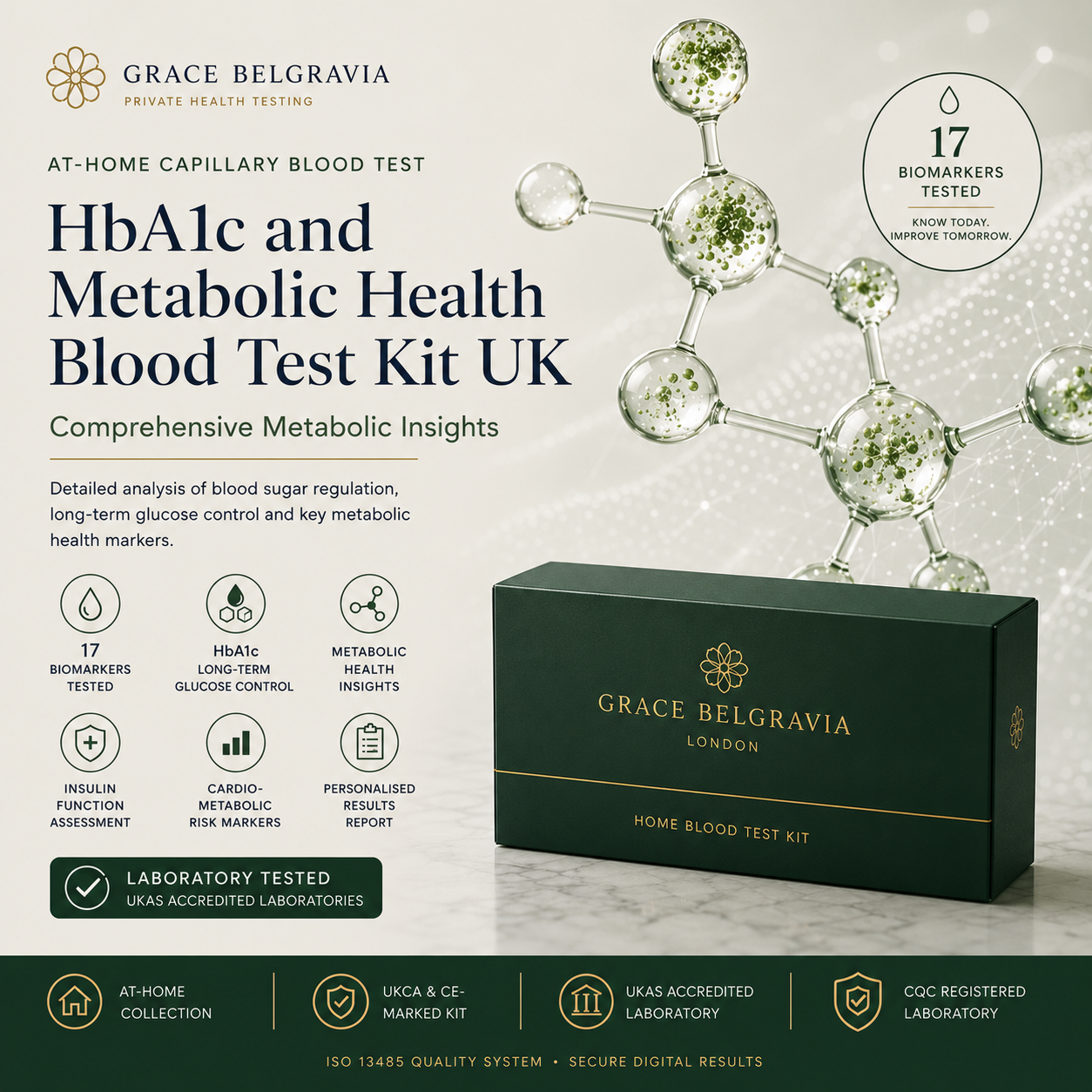
Home Vitamin Deficiency Test UK – B12, Folate & Vitamin D
Combines three commonly requested vitamin markers in one home blood test. It is suited to people who want B12, folate and vitamin D context without choosing the broader vitamins, minerals and iron panel.

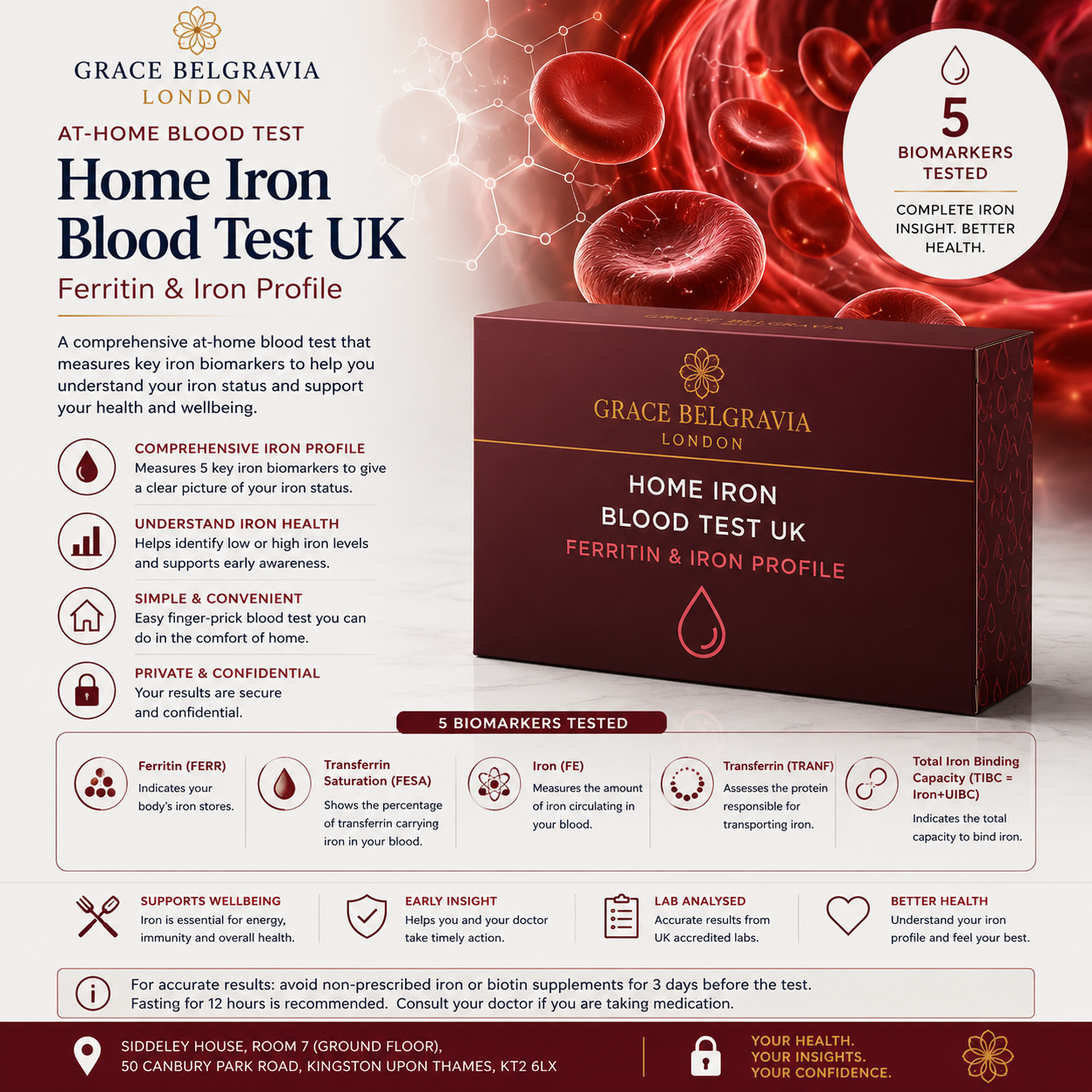
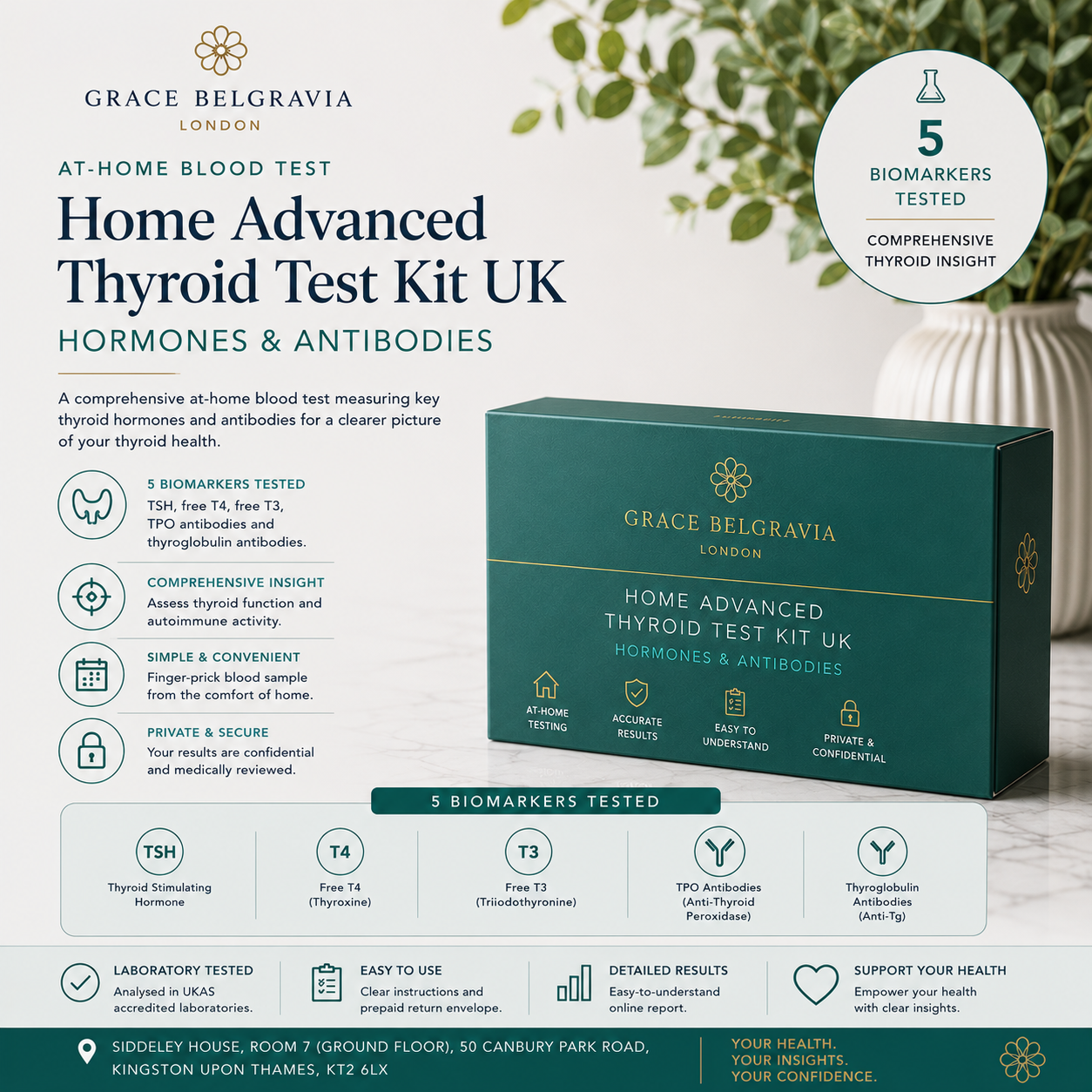
Home Iron Blood Test UK – Ferritin & Iron Profile
Designed for people seeking more context than serum iron alone. Ferritin is commonly used to assess iron stores, while other iron-profile measurements can help interpretation when included on the product specification.

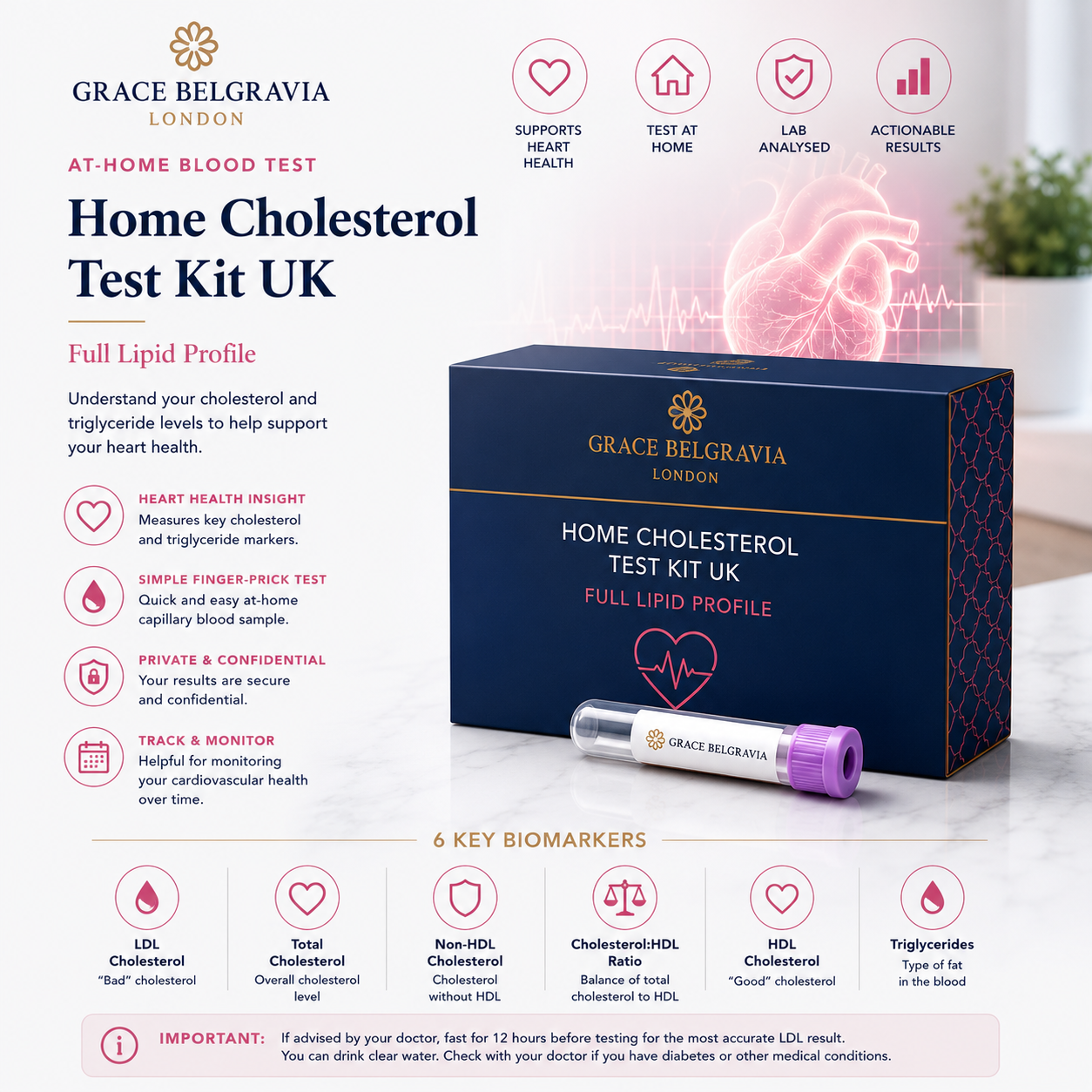
Home Omega 3 Test Kit UK – Omega 3 Index & Fatty Acids
Provides fatty-acid status information, including the omega-3 measures listed on the individual product page. This is a different question from vitamin deficiency, mineral or iron testing.

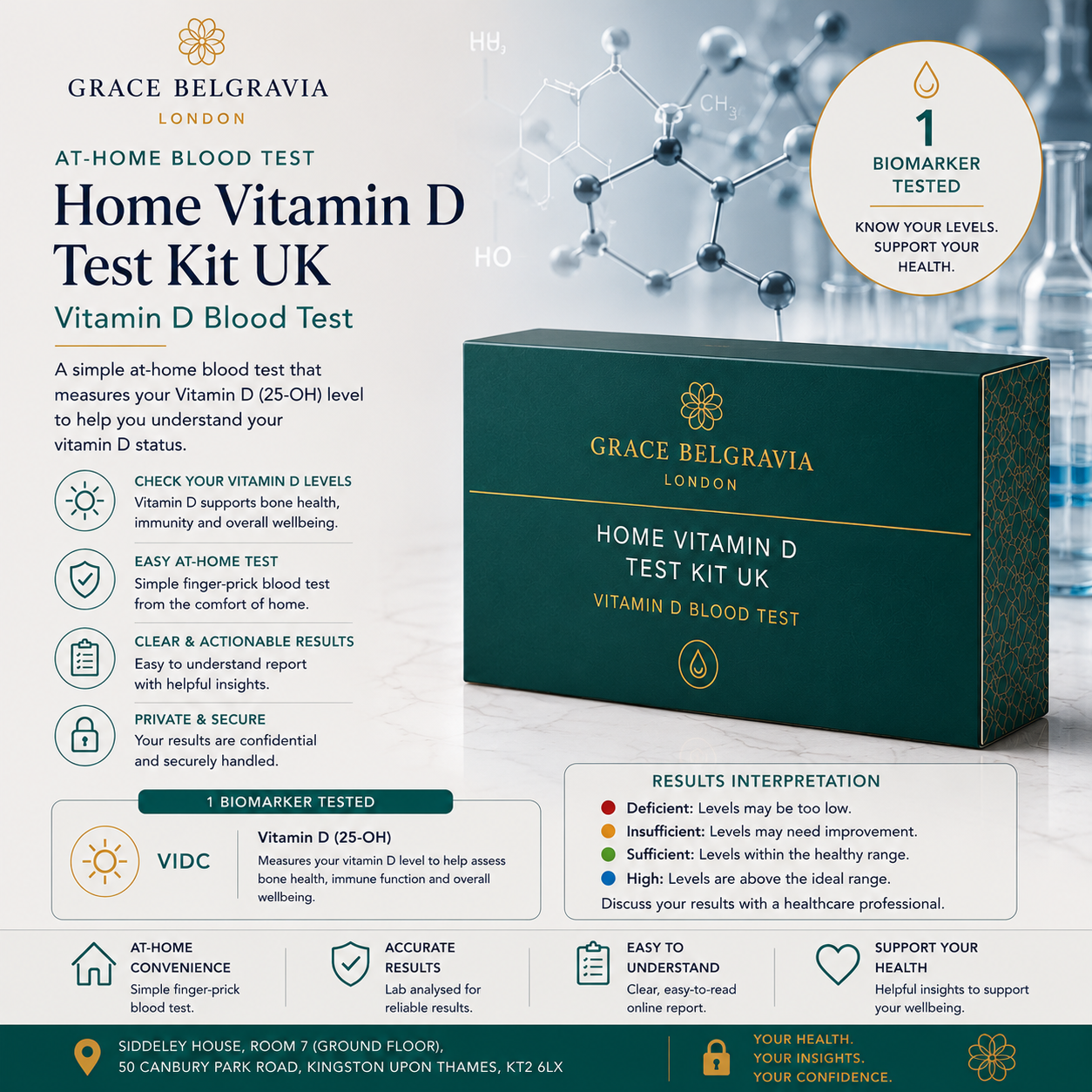
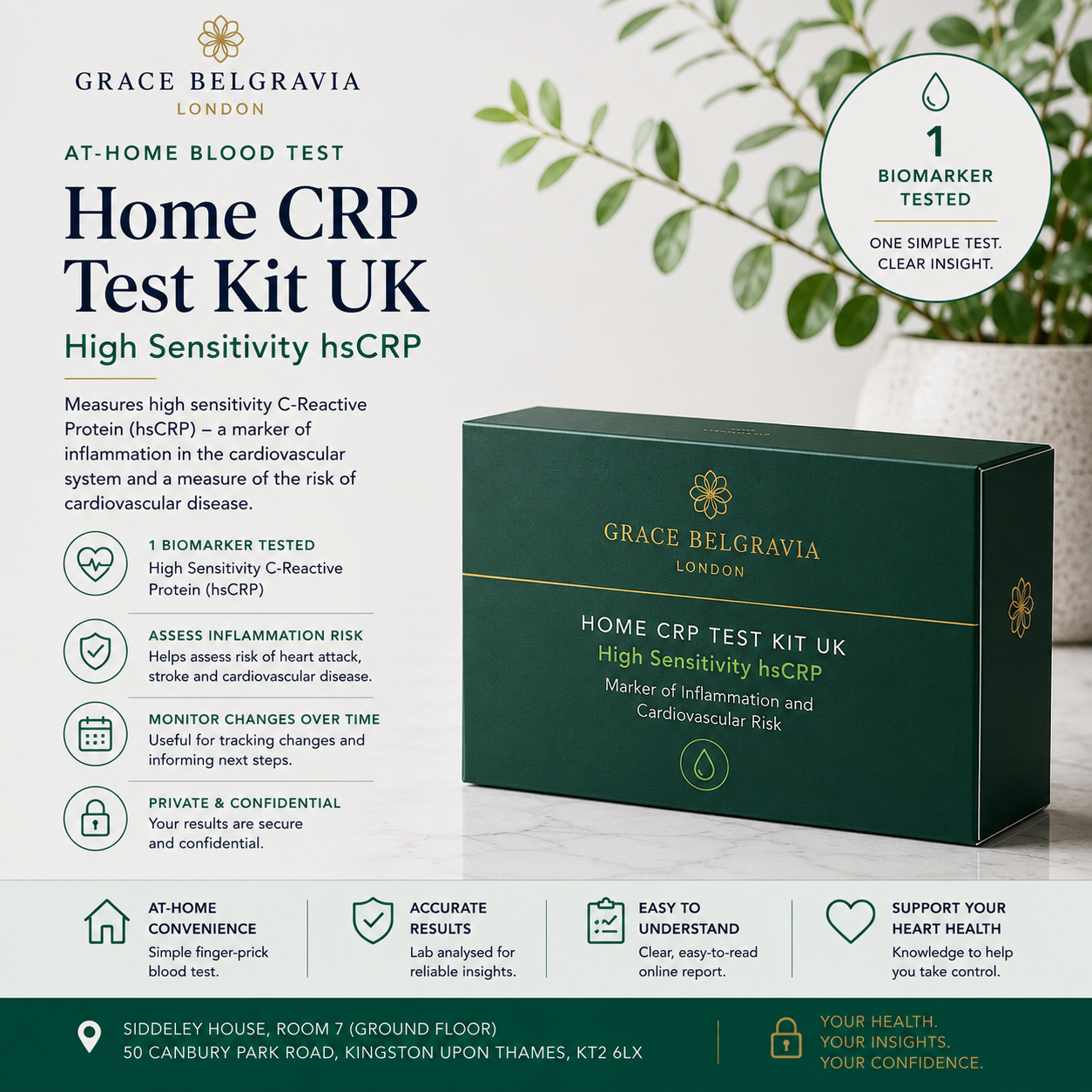
Home Vitamin D Test Kit UK – Vitamin D Blood Test
A focused option for people who specifically want vitamin D status rather than B12, folate, iron or a broad nutritional panel. The reported measurement should be interpreted alongside supplementation, season and clinical risk.

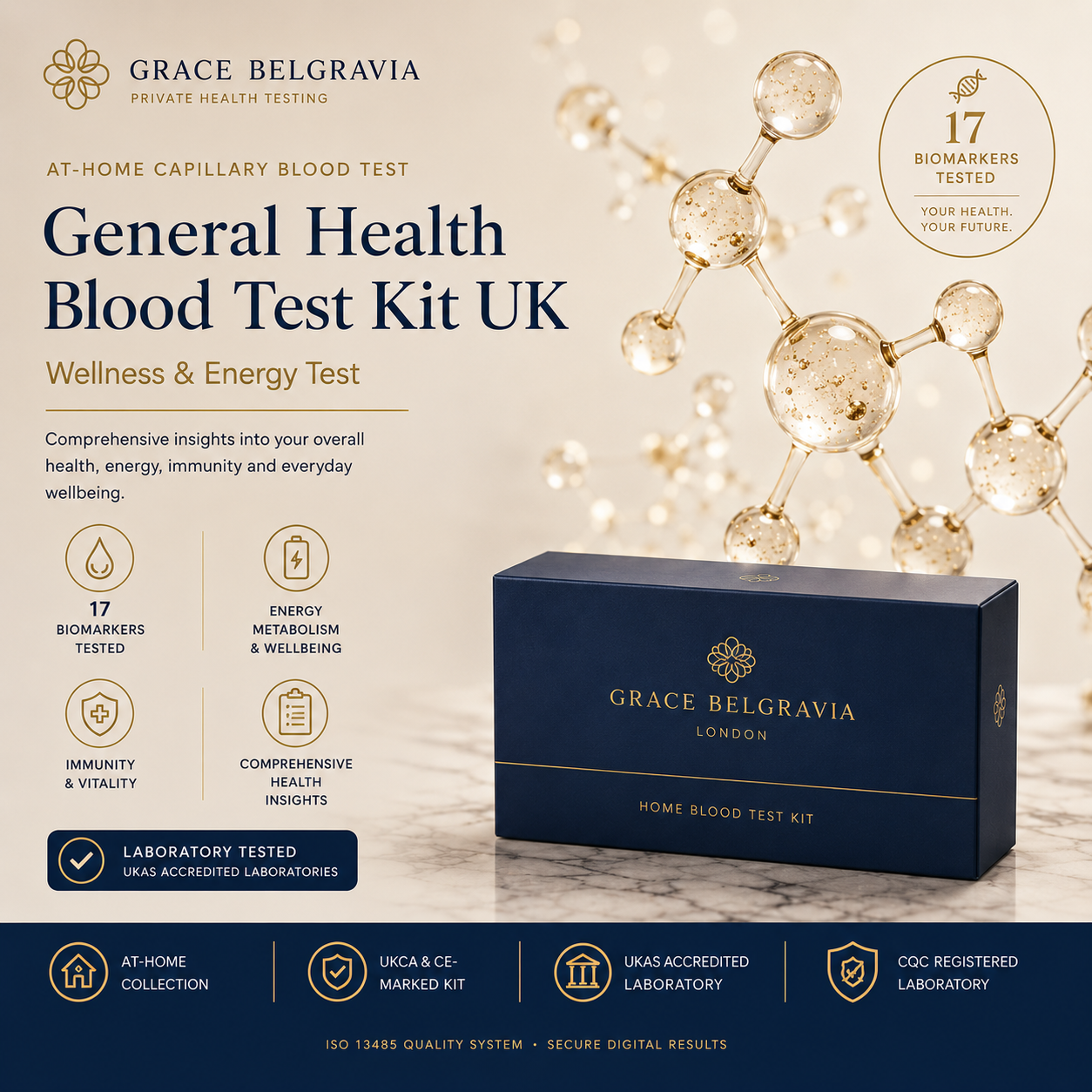
Home Vitamin Deficiency Test Kit UK – Vitamins, Minerals & Iron
A broader option combining the vitamins, minerals and iron-related measurements listed on the individual product page. It is intended for people who want wider nutritional context from one collection.
Side-by-side guide
Compare vitamin, iron and nutrition home blood tests
| Test | Main focus | Best suited to | Important context |
|---|---|---|---|
| Essential Vitamins | B12, folate and vitamin D | A focused three-vitamin panel | Supplements and neurological symptoms |
| Ferritin & Iron Profile | Iron stores and iron transport markers | Possible low iron or iron-balance questions | Blood loss, inflammation and anaemia |
| Omega-3 & Fatty Acids | Fatty-acid status | EPA, DHA and omega-3 balance questions | Diet and supplement use |
| Vitamin D | Focused vitamin D status | A single-nutrient question | Season, sun exposure and supplements |
| Vitamins, Minerals & Iron | Broader multi-marker context | A wider nutritional overview | Review the exact included biomarkers |
Essential Vitamins
Ferritin & Iron Profile
Omega-3 & Fatty Acids
Vitamin D
Vitamins, Minerals & Iron
Plain-English biomarker guide
Vitamin, iron and fatty-acid terms explained
Vitamin B12
A vitamin involved in red-blood-cell formation and nervous-system function. Symptoms and causes matter because neurological effects can occur with or without obvious anaemia.
Folate
A B vitamin required for cell division and blood formation. Folate and B12 should be interpreted carefully because high folic-acid intake can complicate recognition of B12 deficiency.
25-hydroxyvitamin D
The circulating form most commonly measured to assess vitamin D status. Results should be interpreted using the laboratory units and reference information provided.
Ferritin
A protein used as a marker of stored iron. Low ferritin supports iron deficiency, but inflammation, liver disease and other conditions can increase ferritin.
Serum iron
The amount of circulating iron bound mainly to transferrin at the time of sampling. It varies and should not generally be interpreted alone.
Transferrin and total iron-binding capacity
Measures related to the blood’s iron-transport capacity. Their usefulness depends on the full iron profile and clinical context.
Transferrin saturation
A calculated estimate of how much transferrin is carrying iron. It can add context alongside ferritin and other iron measurements.
Omega-3 index
A fatty-acid status measure commonly based on EPA and DHA in red-blood-cell membranes, expressed as a proportion of measured fatty acids.
EPA and DHA
Long-chain omega-3 fatty acids obtained mainly from marine foods or supplements. A blood status result does not by itself prove a particular clinical benefit.
Preparation and interpretation
Improve the usefulness of your nutrition blood test
New numbness, pins and needles, balance changes, memory changes or weakness should be assessed promptly. Treatment decisions should reflect symptoms, cause and appropriate clinical testing.
How home testing works
From product choice to responsible follow-up
Choose the question
Select a focused vitamin, iron or omega-3 test, or a broader nutritional panel.
Review biomarkers
Read the exact marker list, sample type, preparation and limitations.
Collect carefully
Use the supplied equipment and follow collection instructions exactly.
Return the sample
Package and send it through the route and timeframe specified.
Laboratory analysis
The sample follows the relevant analytical and quality-control pathway.
Plan follow-up
Discuss significant, unexpected or symptom-related results with a healthcare professional.
Laboratory and testing standards
Home collection supported by a defined laboratory pathway
Vitamin, iron and fatty-acid panels may use different sample types and analytical methods. Check the current individual product specification for the applicable laboratory, accreditation, assay and reporting details.
- Sample identity and acceptance checks
- Assay-specific quality controls
- Defined sample stability and return requirements
- Secure digital reporting
- Clear test scope and stated limitations
Quality and regulatory claims should be verified against the current specification for the test ordered.

Results and next steps
What an unexpected result may require
A borderline result may warrant review of diet or repeat testing, while a marked abnormality, significant symptoms or evidence of blood loss can require prompt clinical investigation.
Medical and editorial review
Medically checked vitamin and nutrition guidance
The collection has been reviewed for responsible presentation of B12, folate, vitamin D, iron, ferritin, omega-3 status, supplementation boundaries and urgent warning signs.

Dr Laura Geige
Medical Director, Senior Practitioner and Skin Expert
Reviewed symptom escalation, neurological warnings, diagnostic boundaries and responsible positioning of private nutritional testing.
View professional profile
Dr Rimas Geiga
Medical Doctor, Nutritional Sciences Adviser and Healthy Ageing Expert
Reviewed vitamin, mineral, iron and omega-3 evidence, supplement context and the limits of interpreting one biomarker in isolation.
View professional profile
Veronika Matutyte
Medical Doctor and Healthcare Management Expert
Reviewed preparation, sample-pathway language, quality claims, reporting safeguards and follow-up wording.
View professional profileAuthoritative references
UK, university and peer-reviewed nutrition sources
UK clinical and public-health guidance
UK and overseas university evidence
Frequently asked questions
Vitamin deficiency, iron and nutrition test FAQs
Which vitamin deficiency blood test home kit should I choose?
Choose according to the biomarker question. Use the focused vitamin D test for vitamin D alone, the essential panel for B12, folate and vitamin D, the iron profile for ferritin and iron context, and the broader panel when its full marker list is appropriate.
Can a home blood test explain why I feel tired?
It may identify selected abnormalities, but tiredness has many possible causes. A normal nutritional panel does not exclude thyroid, sleep, mental-health, infectious, cardiac, respiratory or other conditions.
What is the difference between ferritin and serum iron?
Ferritin is commonly used as a marker of iron stores. Serum iron reflects circulating iron at the time of sampling and varies, so it should not usually be interpreted alone.
Can ferritin be normal when iron is low?
Yes. Inflammation and some medical conditions can raise ferritin, which can make iron deficiency harder to recognise without other information.
Do I need to fast?
Preparation depends on the test and included markers. Follow the exact instructions supplied with the individual kit.
Should I stop supplements before testing?
Do not stop prescribed supplements without advice. Record the product, dose and last dose, and follow any specific preparation instructions.
Can vitamin B12 deficiency cause neurological symptoms?
Yes. Numbness, pins and needles, weakness, balance or cognitive changes require prompt medical assessment because neurological symptoms can occur even without obvious anaemia.
Can I take folic acid if my B12 is low?
Treatment should be guided appropriately. Folic acid can improve some blood findings while an underlying B12 problem remains, so B12 context matters.
Who is more likely to have low vitamin D?
Risk can be higher with low sun exposure, darker skin, covering most of the skin outdoors, limited mobility, institutional living and some medical conditions.
Does everyone need a vitamin D blood test?
No. UK public-health advice on seasonal supplementation is not the same as recommending routine blood testing for everyone.
What does an omega-3 index measure?
It generally reflects EPA and DHA in red-blood-cell membranes as a proportion of measured fatty acids. Check the specific laboratory method and report.
Does a low omega-3 result prove I need supplements?
No. Diet, preferences, medicines, bleeding risk and the strength of evidence for the intended outcome should be considered before supplementation.
Can I start high-dose iron or vitamin D after a home result?
Do not assume that a high dose is safe or appropriate. Excess iron and vitamin D can cause harm, and the cause of an abnormal result may need investigation.
What should I do with an abnormal result?
Read the laboratory comments and arrange clinical follow-up when the result is marked, unexpected or associated with symptoms. Repeat or additional testing may be needed.
Are these collection materials medically reviewed?
This collection guide has named medical and quality reviewers. The review process for an individual laboratory report depends on the specific test pathway.