
















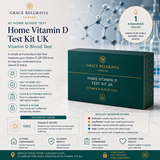

At home vitamin D blood test
Home Vitamin D Test Kit UK | Vitamin D Blood Test
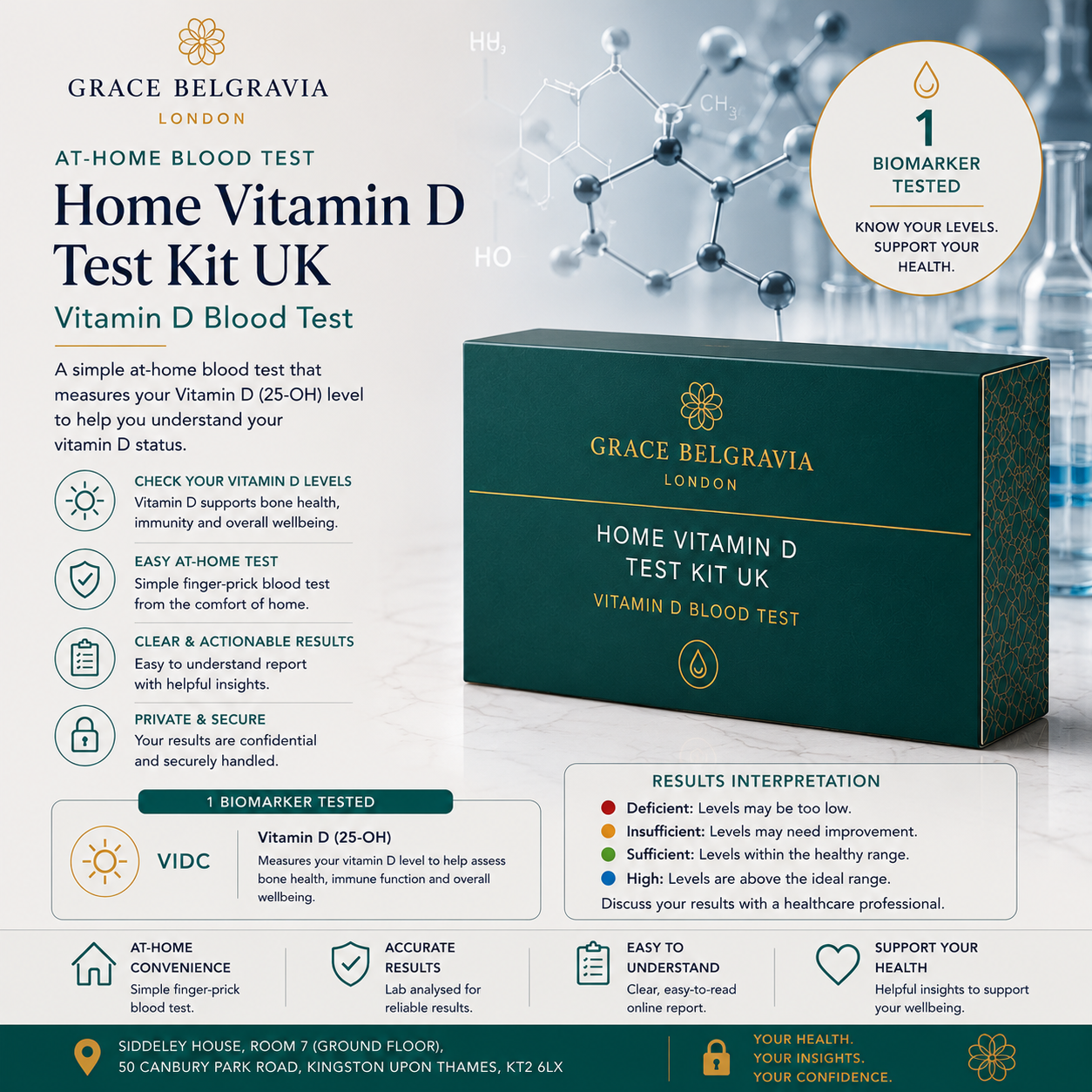
A single biomarker home blood test measuring 25 hydroxyvitamin D to identify deficient, insufficient, sufficient or potentially excessive levels.
Vitamin D is a fat soluble vitamin that helps regulate calcium and phosphate and supports normal bones, teeth and muscles. The result should be interpreted with symptoms, supplement use, diet, sunlight exposure and relevant medical conditions.
NICE advises against routine vitamin D testing in people without symptoms. Testing is more useful when deficiency is suspected, relevant risk factors are present or treatment monitoring is clinically appropriate.
Tell the testing service about all vitamin D and calcium products, including prescribed loading doses and multivitamins. Do not increase or stop prescribed treatment without medical advice.
Quality and compliance
Home testing supported by UK clinical standards
What does the vitamin D test measure?
The laboratory measures total 25 hydroxyvitamin D, often written as 25(OH)D. This is the principal circulating form used to assess vitamin D status.
The result reflects vitamin D obtained from sunlight, food and supplements. It does not separately show whether vitamin D came from D2 or D3 unless a specialised fractionated test is used.
Vitamin D supports musculoskeletal health through calcium and phosphate regulation. The test should not be marketed as a diagnostic test for tiredness, depression, immune problems or a specific chronic disease because these symptoms and conditions have many possible causes.
How common is low vitamin D in the UK?
The UK National Diet and Nutrition Survey for 2019 to 2023 found vitamin D below 25 nmol/L in 18% of adults aged 19 to 64 and 12% of adults aged 65 and over.
Vitamin D levels follow a strong seasonal pattern. Among people aged 11 and over, the percentage below 25 nmol/L ranged from 21% to 38% during January to March and fell substantially during summer.
These figures are more reliable for current UK content than broad international estimates claiming that 30% or 40% of everyone is deficient.
Who may consider this test?
A home vitamin D blood test may be considered by adults who:
- Have bone pain, muscle weakness or symptoms that a clinician believes may relate to deficiency
- Have little or no regular sunlight exposure
- Have darker skin, including African, African Caribbean or South Asian backgrounds
- Wear clothing that covers most of the skin outdoors
- Are housebound or live in a care setting
- Have gastrointestinal disease, bariatric surgery or possible malabsorption
- Have liver or kidney disease requiring clinical monitoring
- Take anticonvulsants, glucocorticoids or other medicines affecting vitamin D
- Are monitoring prescribed vitamin D treatment
- Have been advised to test by a GP or another qualified clinician
Pregnancy, breastfeeding, kidney disease, sarcoidosis, parathyroid disorders, kidney stones and prescribed high dose vitamin D require individual clinical advice.
How the home vitamin D test kit works
Review supplements
Record vitamin D, calcium, multivitamins and prescribed loading doses.
Collect and return
Collect capillary blood into the supplied microtainer and return it using the provided packaging.
Review the result
Use the laboratory reference interval and seek medical advice for low, high or unexpected results.
Preparing for the test
| Preparation | What to do |
|---|---|
| Fasting | Fasting is not normally required for vitamin D alone. Follow the instructions supplied with the kit. |
| Vitamin D products | Record the brand, dose, frequency and timing of tablets, sprays, drops, injections and multivitamins. |
| Calcium supplements | Record calcium products because excess vitamin D can raise calcium and affect interpretation and safety. |
| Prescribed treatment | Do not stop a loading course or maintenance dose without advice from the prescribing clinician. |
| Medical conditions | Tell the provider about kidney or liver disease, sarcoidosis, parathyroid disease, malabsorption and kidney stones. |
| Pregnancy | Pregnancy and breastfeeding require appropriate supplementation and clinical interpretation. |
Understanding your vitamin D result
The laboratory interval and comment printed on your individual report take priority. Thresholds may vary slightly between services.
| Result category | What it may mean | What to do |
|---|---|---|
| Severely deficient | A very low result may be associated with osteomalacia, bone pain, muscle weakness or disturbed calcium balance. | Discuss the result promptly with a clinician so the cause, calcium status and treatment can be assessed. |
| Below 25 nmol/L | This is regarded in UK guidance as vitamin D deficiency and is associated with increased risk of poor bone and muscle health. | Discuss treatment and relevant risk factors with a doctor or pharmacist. |
| 25 to 50 nmol/L | This may be inadequate for some people, particularly where symptoms or risk factors are present. | Review diet, sunlight exposure, risk factors and appropriate supplementation with a healthcare professional. |
| Above 50 nmol/L | This is sufficient for most people under current UK guidance. | Maintain sensible public health supplementation and avoid unnecessary high doses. |
| High | A high result is most commonly related to excessive supplementation. It may increase blood calcium. | Stop non prescribed high dose supplements and arrange medical review. |
| Consider toxicity | Very high vitamin D may cause nausea, vomiting, thirst, frequent urination, weakness, confusion, kidney injury or abnormal heart rhythm. | Seek immediate medical advice and follow any urgent laboratory instruction. |
Vitamin D supplements in the UK
NHS advice is that adults and children over 4 should consider taking 10 micrograms, equivalent to 400 IU, of vitamin D each day during autumn and winter.
People with little sunlight exposure and people with darker skin may be advised to consider the same daily dose throughout the year.
This public health dose is not the same as treatment for confirmed deficiency. High dose treatment should be clinically directed, particularly where calcium, kidney function or another medical condition may be relevant.
Content standards
How this product information was prepared
This page was prepared from the supplied vitamin D product details and expanded using current UK government, NHS and NICE information on testing, prevalence, thresholds, supplementation and toxicity.
Expert review
Medical and editorial review
This product information has been reviewed for vitamin D and supplement context, UK result interpretation, medical limitations and safety guidance.
The review applies to general product information. It is not personal medical advice and does not replace assessment of symptoms, calcium balance, kidney function or the cause of deficiency.
Dr Rimas Geiga
Medical Doctor, Nutritional Sciences Adviser and Healthy Ageing Expert
Reviewed the vitamin D, nutritional sciences, supplementation, bone and muscle health and healthy ageing context.
View professional profileDr Snieguole Geige
Dentist, Medical Doctor and Senior Adviser
Reviewed the general medical boundaries, public health supplementation context, patient communication and guidance on when direct assessment is needed.
View professional profileVeronika Matutyte
Medical Doctor and Healthcare Management Expert
Reviewed toxicity guidance, kidney and calcium considerations, urgent symptoms, clinical limitations and home testing safety.
View professional profileFurther reading
Authoritative UK vitamin D information
These resources provide additional context. They do not replace the reference interval, comments or urgent instructions supplied with your laboratory report.
View government, NHS and NICE references
- UK National Diet and Nutrition Survey 2019 to 2023
- NHS vitamin D guidance
- NICE vitamin D testing guidance
- NICE vitamin D thresholds and risk factors
- UK government vitamin D deficiency and supplementation guidance
- Association for Laboratory Medicine vitamin D testing information
- UKAS medical laboratory accreditation
- CQC diagnostic and screening services guidance
Search led questions
Home vitamin D test kit FAQs
Can I test my vitamin D level at home?
Yes. This kit uses a capillary blood sample collected at home and returned for laboratory analysis. It measures 25 hydroxyvitamin D, the main blood marker used to assess vitamin D status.
What does a vitamin D blood test measure?
The test measures total 25 hydroxyvitamin D in the blood. This reflects vitamin D obtained from sunlight, food and supplements.
What is a normal vitamin D level in the UK?
Current UK guidance generally regards a result above 50 nmol/L as sufficient for most people. The reference interval and comment on your laboratory report take priority.
What vitamin D level is deficient?
A 25 hydroxyvitamin D result below 25 nmol/L is regarded in UK guidance as deficient and is associated with increased risk of poor bone and muscle health.
What does an insufficient vitamin D result mean?
A result from 25 to 50 nmol/L may be inadequate for some people. The appropriate next step depends on symptoms, risk factors, calcium intake, medical history and supplement use.
Can vitamin D levels be too high?
Yes. Excess vitamin D is usually caused by taking too much from supplements or prescribed products. It can increase calcium and affect the kidneys, heart, muscles and nervous system.
Do I need to fast for a vitamin D test?
Fasting is not normally required for a vitamin D test on its own. Follow the specific instructions supplied with the kit.
Should I stop vitamin D supplements before testing?
Do not stop prescribed treatment without medical advice. Record the product, dose and timing of vitamin D, calcium and multivitamin supplements because these affect interpretation.
How common is low vitamin D in the UK?
The UK National Diet and Nutrition Survey for 2019 to 2023 found vitamin D below 25 nmol/L in 18% of adults aged 19 to 64 and 12% of adults aged 65 and over. Rates were higher during January to March.
Who is at higher risk of vitamin D deficiency?
Risk is higher in people with little sunlight exposure, darker skin, clothing that covers most of the skin, housebound living, malabsorption, liver or kidney disease and some medicines.
What are the symptoms of vitamin D deficiency?
Many people have no clear symptoms. Severe deficiency may cause bone pain, muscle weakness or osteomalacia. Tiredness and general aches are non specific and may have other causes.
Can vitamin D deficiency cause tiredness or low mood?
Low vitamin D can coexist with tiredness or low mood, but these symptoms have many possible causes. A vitamin D result cannot establish that deficiency is the cause.
Does the NHS recommend vitamin D supplements?
NHS advice is that adults and children over 4 should consider 10 micrograms of vitamin D daily during autumn and winter. People at higher risk may be advised to take it throughout the year.
Should everyone have a vitamin D blood test?
No. NICE advises against routine testing in people without symptoms. Testing may be useful when deficiency is suspected, symptoms or risk factors are present, or treatment monitoring is clinically appropriate.
How often should vitamin D be retested?
Retesting depends on the original result, treatment, symptoms and clinical context. Vitamin D changes slowly, so repeat testing is usually timed by a clinician rather than performed frequently.
When is a high vitamin D result urgent?
Seek prompt medical advice for a very high result or symptoms such as persistent vomiting, marked thirst, frequent urination, severe weakness, confusion, dehydration, kidney pain or an abnormal heart rhythm.
Are the laboratories UKAS accredited and CQC registered?
Samples are processed through UKAS accredited laboratories within a CQC registered diagnostic pathway. Collection equipment is UKCA and CE marked and supported by an ISO 13485 quality management framework.