















At home thyroid function blood test
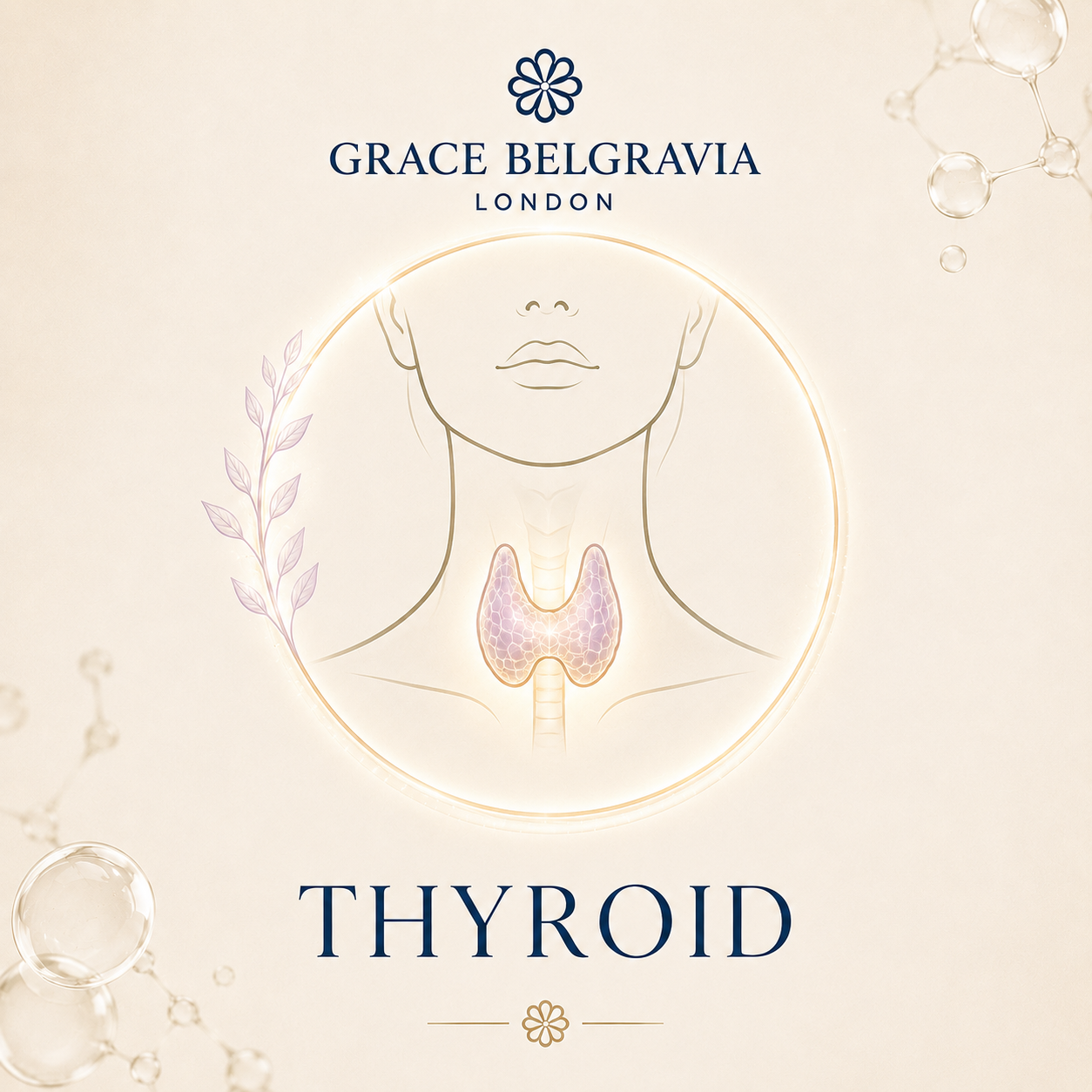
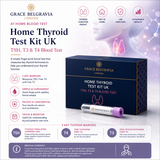
Home Thyroid Test Kit UK | TSH, T3 & T4 Blood Test
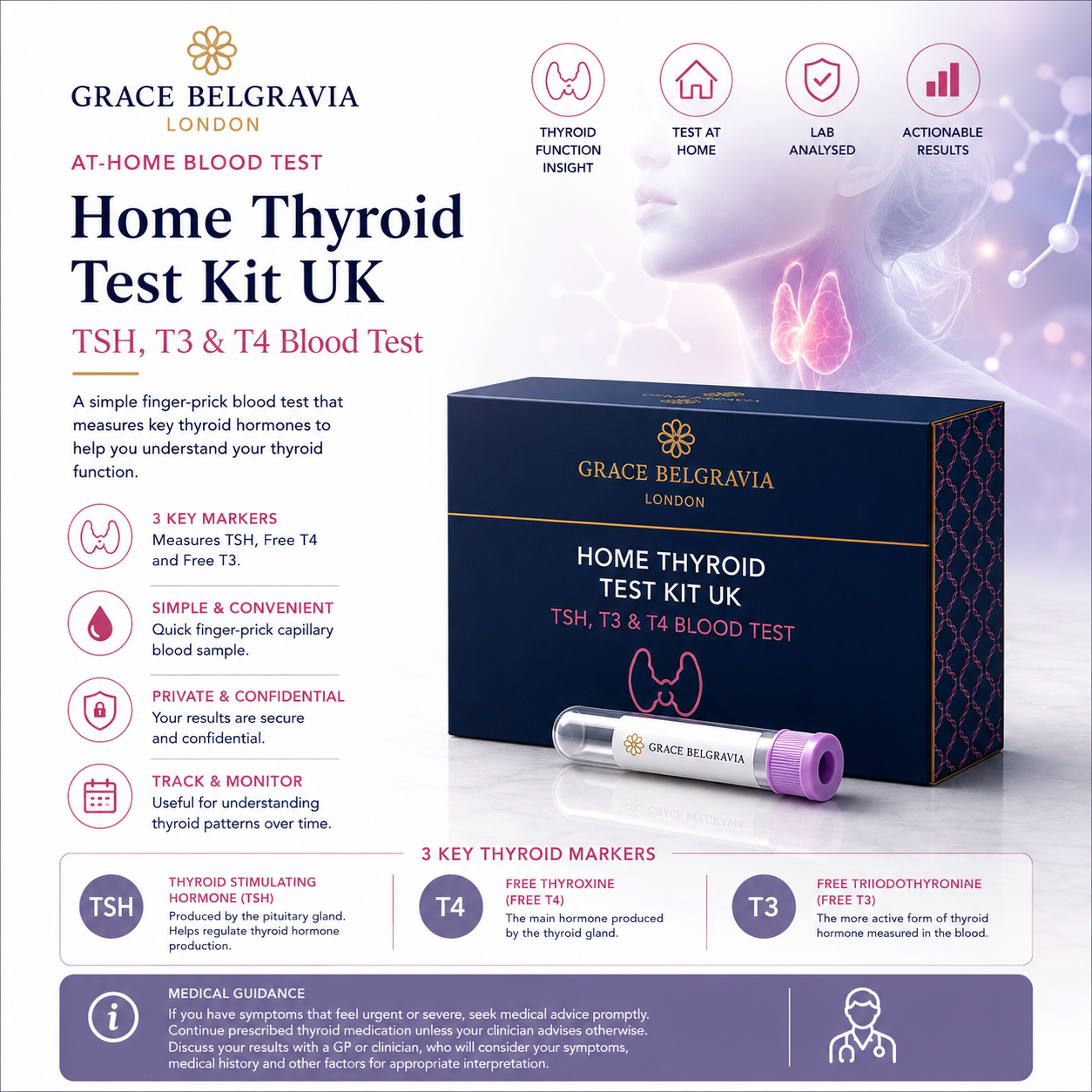
A three marker home blood test measuring TSH, free T4 and free T3 through a UK laboratory pathway.
The panel provides information about the pituitary and thyroid hormone feedback system. It may support assessment of underactive or overactive thyroid patterns and treatment monitoring, but it cannot identify every cause or replace clinical diagnosis.
This product does not include thyroid peroxidase antibodies, thyroglobulin antibodies, TSH receptor antibodies, reverse T3, thyroid ultrasound or examination of a neck lump.
Seek urgent help for chest pain, severe breathlessness, collapse, a very fast or irregular heartbeat, confusion, fever with severe agitation, or new neck swelling that affects breathing or swallowing.
Quality and compliance
Home thyroid testing supported by UK standards
What this thyroid function panel measures
| Marker | Role | Clinical context |
|---|---|---|
| TSH | Pituitary signal controlling thyroid hormone production | The usual first marker for suspected primary thyroid dysfunction. |
| Free T4 | Unbound circulating thyroxine | Helps distinguish overt and subclinical patterns and assess treatment. |
| Free T3 | Unbound circulating triiodothyronine | Particularly useful where TSH is low or hyperthyroidism is suspected. |
Who may consider this test?
This home thyroid test kit may be considered by adults seeking selected thyroid hormone information in the context of:
- Persistent tiredness, feeling cold, constipation or unexplained weight change
- Palpitations, tremor, heat intolerance, sweating or unexplained weight loss
- Hair, skin or menstrual changes alongside clinical assessment
- A family or personal history of thyroid disease
- An earlier abnormal or borderline thyroid result
- Clinician directed monitoring of levothyroxine, liothyronine or antithyroid treatment
- Pregnancy planning or pregnancy where clinical guidance has already been arranged
These symptoms are non specific and can have many causes not measured by this panel.
Common thyroid function patterns
These patterns support interpretation but do not establish the underlying cause.
| TSH | Free T4 or free T3 pattern | Possible interpretation |
|---|---|---|
| High | Low free T4 | Commonly supports overt primary hypothyroidism. |
| High | Normal free T4 | May indicate subclinical hypothyroidism and often requires repeat testing. |
| Low | High free T4 or free T3 | May support hyperthyroidism or excessive thyroid hormone treatment. |
| Low | Normal free T4 and free T3 | May indicate subclinical hyperthyroidism, medicine effects, pregnancy or illness. |
| Low or normal | Low free T4 | May suggest central hypothyroidism, severe illness, medicine effects or assay interference. |
| Discordant | Results do not fit a usual pattern | Consider medicine timing, biotin, pregnancy, illness, analytical interference or uncommon pituitary conditions. |
How the home thyroid test kit works
Review preparation
Record medicines, supplements, recent illness, pregnancy status and thyroid treatment timing.
Collect and return
Collect capillary blood into the supplied microtainer and return it using the provided packaging.
Review the complete pattern
Interpret TSH, free T4 and free T3 together with symptoms and the laboratory reference intervals.
Preparing for the test
| Preparation | What to do |
|---|---|
| Fasting | Fasting is not usually required for this panel. Follow the supplied kit instructions. |
| Thyroid medicines | Continue prescribed treatment unless advised otherwise. Record the product, dose and time of the most recent dose. |
| Biotin | Biotin is vitamin B7 and can interfere with some thyroid assays. Ask the laboratory or a clinician whether it should be paused. |
| Other medicines | Record amiodarone, lithium, glucocorticoids, anticonvulsants, oestrogen, fertility treatment and antithyroid medicines. |
| Recent illness | Acute illness may temporarily alter thyroid results. Delay non urgent routine testing until recovered where practical. |
| Pregnancy | Record pregnancy, trimester and recent birth because specialist reference intervals and follow up may be required. |
| Repeat comparisons | Use similar collection timing and medicine timing when comparing results over time. |
Biomarkers and result interpretation
Select each marker to read what it measures, preparation guidance and how low, normal, high or urgent results may be considered.
Free triiodothyronine (free T3)
Free T3 is the unbound fraction of triiodothyronine in the blood. T3 is the more biologically active thyroid hormone, and much of it is produced outside the thyroid through conversion from T4.
Free T3 is particularly useful when TSH is suppressed and hyperthyroidism is suspected. A low free T3 result by itself is not a reliable diagnosis of hypothyroidism because illness, calorie restriction and medicines can lower T3.
Free T3 is not usually the main marker for diagnosing or monitoring primary hypothyroidism. TSH and free T4 are generally more informative.
Fasting is not usually required. Record levothyroxine, liothyronine, antithyroid medicines, amiodarone, lithium, glucocorticoids, anticonvulsants, oestrogen treatment, pregnancy status, high dose biotin and the timing of the most recent thyroid medicine dose. Do not stop prescribed treatment yourself.
How to understand this result
| Result | What it may mean | What to do |
|---|---|---|
| Critical low | A very low result may occur during severe illness, advanced hypothyroidism, medicine effects or analytical problems. | Follow the laboratory escalation advice and arrange prompt clinical review. |
| Low | May occur with non thyroidal illness, calorie restriction, medicines, hypothyroid patterns or treatment factors. | Interpret with TSH, free T4, symptoms and recent illness. |
| Normal | Falls within the laboratory interval. | A normal free T3 does not exclude early hypothyroidism, structural thyroid disease or autoimmune thyroid disease. |
| High | May occur with hyperthyroidism, T3 predominant thyrotoxicosis or liothyronine treatment. | Discuss the result with a GP and review TSH, free T4, medicines and symptoms. |
| Critical high | A markedly raised result with severe symptoms may indicate significant thyrotoxicosis. | Seek urgent clinical assessment, especially with a fast heartbeat, chest pain, breathlessness, fever, agitation or confusion. |
Thyroid stimulating hormone (TSH)
TSH is produced by the pituitary gland and signals the thyroid to produce thyroid hormones. It is usually the first laboratory marker used when primary thyroid dysfunction is suspected.
TSH must be interpreted with free T4 and, when TSH is low or hyperthyroidism is suspected, free T3. Pregnancy, medicines, illness and pituitary conditions can alter the pattern.
Fasting is not usually required. Record levothyroxine, liothyronine, antithyroid medicines, amiodarone, lithium, glucocorticoids, anticonvulsants, oestrogen treatment, pregnancy status, high dose biotin and the timing of the most recent thyroid medicine dose. Do not stop prescribed treatment yourself.
How to understand this result
| Result | What it may mean | What to do |
|---|---|---|
| Critical low | A markedly suppressed TSH may occur with overt hyperthyroidism, excessive thyroid hormone treatment, pregnancy, severe illness or medicine effects. | Arrange prompt clinical review, particularly when free T4 or free T3 is raised. |
| Low | May occur with hyperthyroidism, subclinical hyperthyroidism, thyroid hormone treatment, pregnancy, illness, medicines or pituitary dysfunction. | Review free T4, free T3, symptoms and treatment timing. |
| Normal | Falls within the laboratory reference interval. | A normal TSH reduces the likelihood of primary overt thyroid dysfunction but does not assess nodules, antibodies or every pituitary condition. |
| High | Commonly occurs when the thyroid is underactive, especially when free T4 is low. It may also reflect medicine timing, adherence, recovery from illness or pregnancy requirements. | Discuss repeat testing, symptoms, free T4 and treatment with a GP. |
| Critical high | A markedly raised TSH may indicate significant untreated hypothyroidism or inadequate replacement, although interpretation depends on free T4 and clinical status. | Arrange prompt medical review and follow the laboratory escalation advice. |
Free thyroxine (free T4)
Free T4 is the unbound fraction of thyroxine circulating in the blood. T4 is produced mainly by the thyroid and can be converted into the more active hormone T3 in tissues.
Free T4 helps distinguish overt from subclinical thyroid dysfunction and is important when TSH is abnormal, pituitary disease is suspected, pregnancy is present or thyroid treatment is being monitored.
Fasting is not usually required. Record levothyroxine, liothyronine, antithyroid medicines, amiodarone, lithium, glucocorticoids, anticonvulsants, oestrogen treatment, pregnancy status, high dose biotin and the timing of the most recent thyroid medicine dose. Do not stop prescribed treatment yourself.
How to understand this result
| Result | What it may mean | What to do |
|---|---|---|
| Critical low | A very low result may occur with significant primary hypothyroidism, central hypothyroidism, severe illness or treatment effects. | Arrange prompt clinical review, especially with drowsiness, confusion, hypothermia, severe weakness or breathing problems. |
| Low | With high TSH, this commonly supports primary hypothyroidism. With low or normal TSH, central hypothyroidism, illness, medicine effects or assay issues may need consideration. | Discuss the complete pattern with a GP and do not adjust treatment alone. |
| Normal | Falls within the laboratory interval. | Interpret with TSH, symptoms, treatment, pregnancy status and previous results. |
| High | With low TSH, this may support hyperthyroidism or excessive thyroid hormone treatment. Discordant patterns can arise from medicines, biotin, pregnancy or assay interference. | Discuss the pattern and medicine timing with a clinician. |
| Critical high | A markedly raised result with severe symptoms may indicate significant thyrotoxicosis. | Seek urgent clinical assessment, particularly with chest pain, a very fast heartbeat, severe breathlessness, fever, agitation or confusion. |
What this test does not include
| Not included | Why it may matter |
|---|---|
| Thyroid peroxidase antibodies | May support assessment of Hashimoto's thyroiditis and future hypothyroidism risk. |
| TSH receptor antibodies | May support investigation of Graves' disease. |
| Thyroglobulin antibodies | May be used in selected autoimmune or thyroid cancer monitoring contexts. |
| Thyroid ultrasound | Required to assess nodules, enlargement and structural thyroid changes. |
| Pituitary hormone testing | May be required where free T4 is low despite a low or normal TSH. |
| Clinical examination | Important where there is a neck lump, swelling, swallowing difficulty, eye symptoms or marked heart rate changes. |
Evidence and content standards
How this product information was prepared
This page was prepared from the supplied three marker thyroid function test specification and checked against current NICE, NHS, MHRA, UKAS and CQC information on TSH, free T4, free T3, biotin interference, acute illness, pregnancy and treatment monitoring.
Clinical accountability
Diagnostic logic, patient safety and symptom context review
The review roles are separated across thyroid test logic, patient safety and clinically relevant skin and hair manifestations. The reviewers are not presented as consultant endocrinologists.
Veronika Matutyte
Medical Doctor and Healthcare Management Expert
Reviewed TSH, free T4 and free T3 pattern logic, biotin interference, pregnancy safeguards, repeat testing and laboratory governance.
View professional profileDr Snieguole Geige
Dentist, Medical Doctor and Senior Adviser
Reviewed urgent symptom guidance, medicine continuity, monitoring boundaries and the distinction between home testing and diagnosis.
View professional profileDr Giedre Narkiene
Medical Doctor and Board Certified Dermatologist
Reviewed responsible discussion of hair, skin and nail changes, symptom non specificity and the need for wider clinical assessment.
View professional profileAuthoritative references
UK thyroid testing and laboratory sources
View the evidence sources used
- NICE guideline NG145: Thyroid disease, assessment and management
- NICE Clinical Knowledge Summaries: hypothyroidism and hyperthyroidism assessment
- Gloucestershire Hospitals NHS: thyroid function tests, TSH, free T4 and free T3
- NHS information on underactive and overactive thyroid conditions
- MHRA safety guidance on biotin interference with thyroid laboratory tests
- UKAS ISO 15189 medical laboratory accreditation information
- CQC guidance on diagnostic and screening procedures
Search led questions
Home thyroid test kit FAQs
Can I take a thyroid blood test at home?
Yes. This kit uses capillary blood collected at home and returned for laboratory analysis. It measures TSH, free T4 and free T3, but the result must be interpreted with symptoms, medicines, pregnancy status, recent illness and previous results.
What does a thyroid function test measure?
This panel measures thyroid stimulating hormone, free thyroxine and free triiodothyronine. Together they provide information about the pituitary and thyroid hormone feedback system.
Is TSH enough to check thyroid function?
TSH is the usual first test for suspected primary thyroid dysfunction. Free T4 is particularly important when TSH is high, while free T4 and free T3 are useful when TSH is low or hyperthyroidism is suspected.
Does this test diagnose an underactive thyroid?
No single home result should be treated as a diagnosis. A high TSH with low free T4 commonly supports primary hypothyroidism, while a high TSH with normal free T4 may indicate subclinical hypothyroidism and often requires repeat testing.
Does this test diagnose an overactive thyroid?
A low TSH with raised free T4 or free T3 may support hyperthyroidism or thyrotoxicosis, but the cause requires clinical assessment and may involve antibody testing, examination, imaging or other investigations.
Do I need to fast for a thyroid blood test?
Fasting is not usually required for TSH, free T4 or free T3 alone. Follow the kit instructions and use similar collection conditions when comparing results over time.
What is the best time to take a thyroid test?
Thyroid tests can usually be collected at a convenient time, but consistency matters for monitoring. If you take levothyroxine or liothyronine, record the dose and time taken because recent dosing can affect free hormone results.
Should I take levothyroxine before the blood test?
Continue prescribed treatment unless your clinician gives different instructions. Record when the dose was taken. Some clinicians prefer testing before the morning dose or under the same timing conditions for each repeat result.
Can liothyronine affect free T3 results?
Yes. Free T3 may rise after a liothyronine dose, so the collection time in relation to the dose is important. Follow the prescribing clinician's requested timing and do not stop treatment yourself.
Can biotin affect thyroid blood test results?
Yes. High biotin intake from supplements can cause falsely high or falsely low thyroid results in some laboratory methods. Biotin is vitamin B7, not vitamin B9. Ask the laboratory or a clinician whether it should be paused.
Should I delay thyroid testing after an illness?
Acute illness can temporarily alter thyroid results, sometimes called non thyroidal illness. Routine testing may be delayed until recovery unless thyroid dysfunction is suspected as part of the acute illness or urgent clinical assessment is needed.
Can pregnancy affect thyroid test results?
Yes. Pregnancy changes thyroid physiology and requires trimester and laboratory specific reference intervals. People who are pregnant, trying to conceive or recently postpartum should discuss results promptly with their GP, midwife or specialist.
What does a high TSH result mean?
A high TSH commonly occurs when the thyroid is underactive, particularly when free T4 is low. It can also be influenced by medicine adherence or timing, recovery from illness, pregnancy requirements and less common pituitary or assay factors.
What does a low TSH result mean?
A low TSH may occur with an overactive thyroid, excessive thyroid hormone treatment, pregnancy, acute illness, medicines or pituitary conditions. Free T4 and free T3 help interpret the pattern.
What does a low free T4 result mean?
Low free T4 with high TSH commonly supports primary hypothyroidism. Low free T4 with a low or normal TSH can suggest central hypothyroidism, severe illness, medicine effects or assay interference and needs clinical review.
What does a high free T4 result mean?
High free T4 with low TSH may support hyperthyroidism or excessive thyroid hormone treatment. A discordant pattern can occur with medicines, biotin, assay interference, pregnancy or rare pituitary conditions.
What does free T3 add to the panel?
Free T3 can help when hyperthyroidism is suspected because some people have raised T3 before free T4 rises. A low free T3 alone is not a reliable diagnosis of hypothyroidism and commonly occurs during illness.
Can normal thyroid results rule out every thyroid problem?
No. Normal results reduce the likelihood of overt thyroid dysfunction but do not assess thyroid nodules, structural disease, thyroid cancer or every autoimmune condition. Persistent symptoms still require clinical assessment.
Does this test check for Hashimoto's disease?
No. The panel does not include thyroid peroxidase or thyroglobulin antibodies. Antibody testing may be requested where autoimmune thyroid disease is suspected.
Does this test check for Graves' disease?
No. TSH, free T4 and free T3 can show a hyperthyroid pattern, but Graves' disease may require TSH receptor antibody testing and clinical assessment.
Can this test monitor thyroid medication?
It may provide useful information, but monitoring depends on the medicine, dose, treatment duration, symptoms, pregnancy status and collection timing. Dose changes should be made only by the prescribing clinician.
How often should thyroid function be tested?
The interval depends on the clinical question. After a medicine change, clinicians often wait several weeks before retesting. Stable treated hypothyroidism is commonly monitored periodically, often annually, unless symptoms or circumstances change.
When are thyroid symptoms urgent?
Seek urgent help for chest pain, severe breathlessness, collapse, a very fast or irregular heartbeat, confusion, fever with severe agitation, or new neck swelling that affects breathing or swallowing.
Are the laboratories UKAS accredited and CQC registered?
Samples are processed through UKAS accredited laboratories within a CQC registered diagnostic pathway. Collection equipment is UKCA and CE marked and supported by an ISO 13485 quality management framework.