











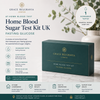
At home fasting glucose blood test
Home Blood Sugar Test Kit UK | Fasting Glucose
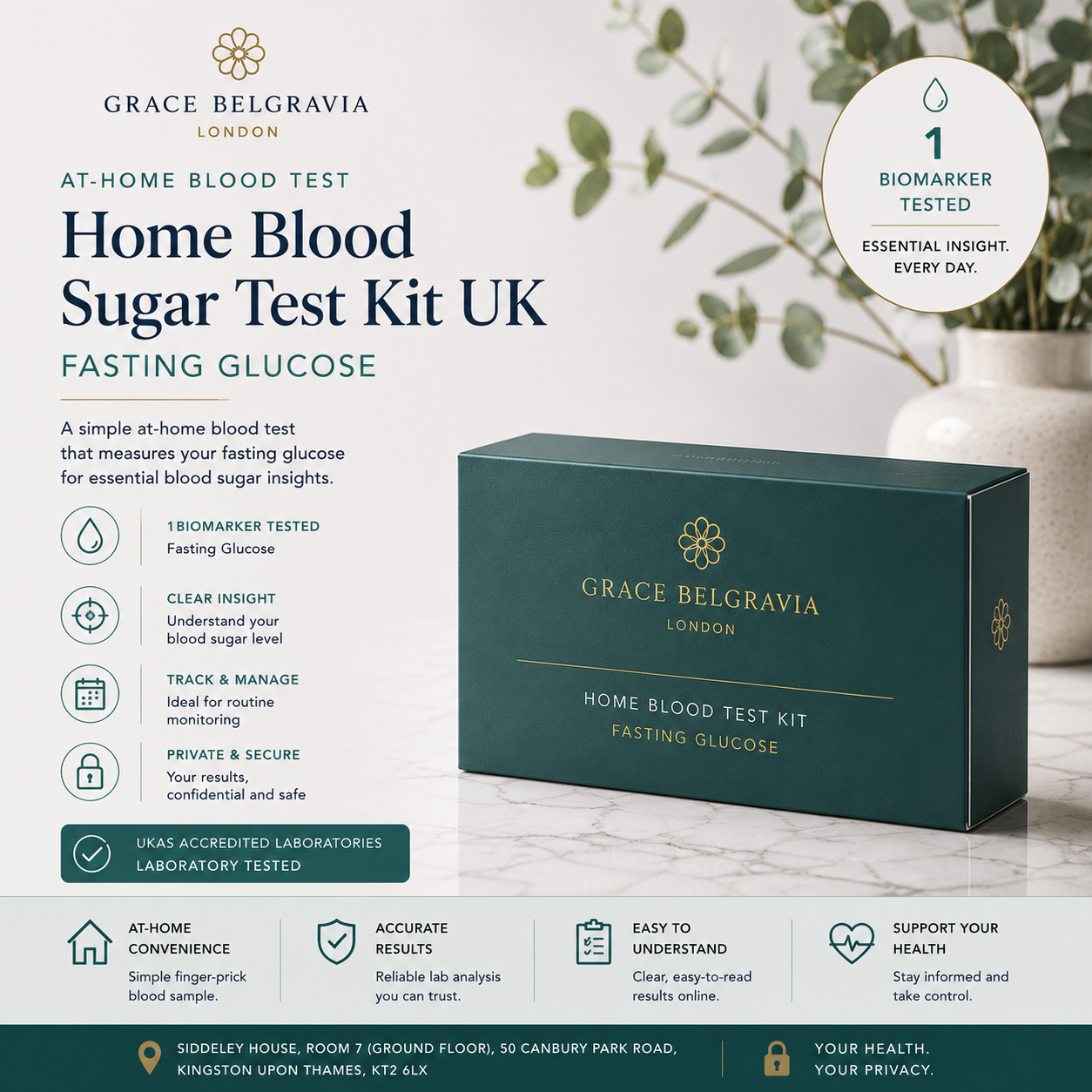
A single biomarker home blood test measuring fasting glucose after an overnight fast.
Fasting glucose shows the amount of glucose in your blood at the time the sample is collected. It can identify a low, expected or raised result and may support assessment of diabetes risk when interpreted with symptoms, medical history and any follow up testing.
This test measures glucose at one point in time. It cannot show average glucose over several months and a single result may not confirm or exclude diabetes. HbA1c, repeat fasting glucose or another test may be required.
Speak with your diabetes care team before fasting if you take insulin or medicine that can lower blood glucose. Do not change treatment without clinical advice.
Quality and compliance
Home testing supported by UK clinical standards
What is a fasting glucose test?
Glucose is the main sugar circulating in the blood and an important source of energy. Insulin helps move glucose from the bloodstream into cells.
A fasting glucose test measures your blood glucose after no food or calorie containing drinks for at least 8 hours. It provides a snapshot of how the body is regulating glucose without the immediate effect of a recent meal.
A raised fasting result may occur with diabetes, impaired fasting glycaemia, acute illness, physical stress, some medicines or other medical factors. A low result is more common in people using insulin or certain diabetes medicines, although other causes are possible.
Who may consider this test?
This home fasting glucose test may be considered by adults who want to:
- Check a fasting blood sugar result
- Discuss possible diabetes or prediabetes risk with a clinician
- Repeat a test when requested by a healthcare professional
- Investigate symptoms such as increased thirst, frequent urination or unexplained tiredness
- Review glucose after a previous borderline result
Do not wait for a home test if you have symptoms of diabetes, particularly marked thirst, frequent urination, unexplained weight loss, vomiting, abdominal pain, drowsiness or rapid breathing.
How the home blood sugar test kit works
Fast overnight
Have plain water only for 8 to 10 hours before collecting the sample.
Collect and return
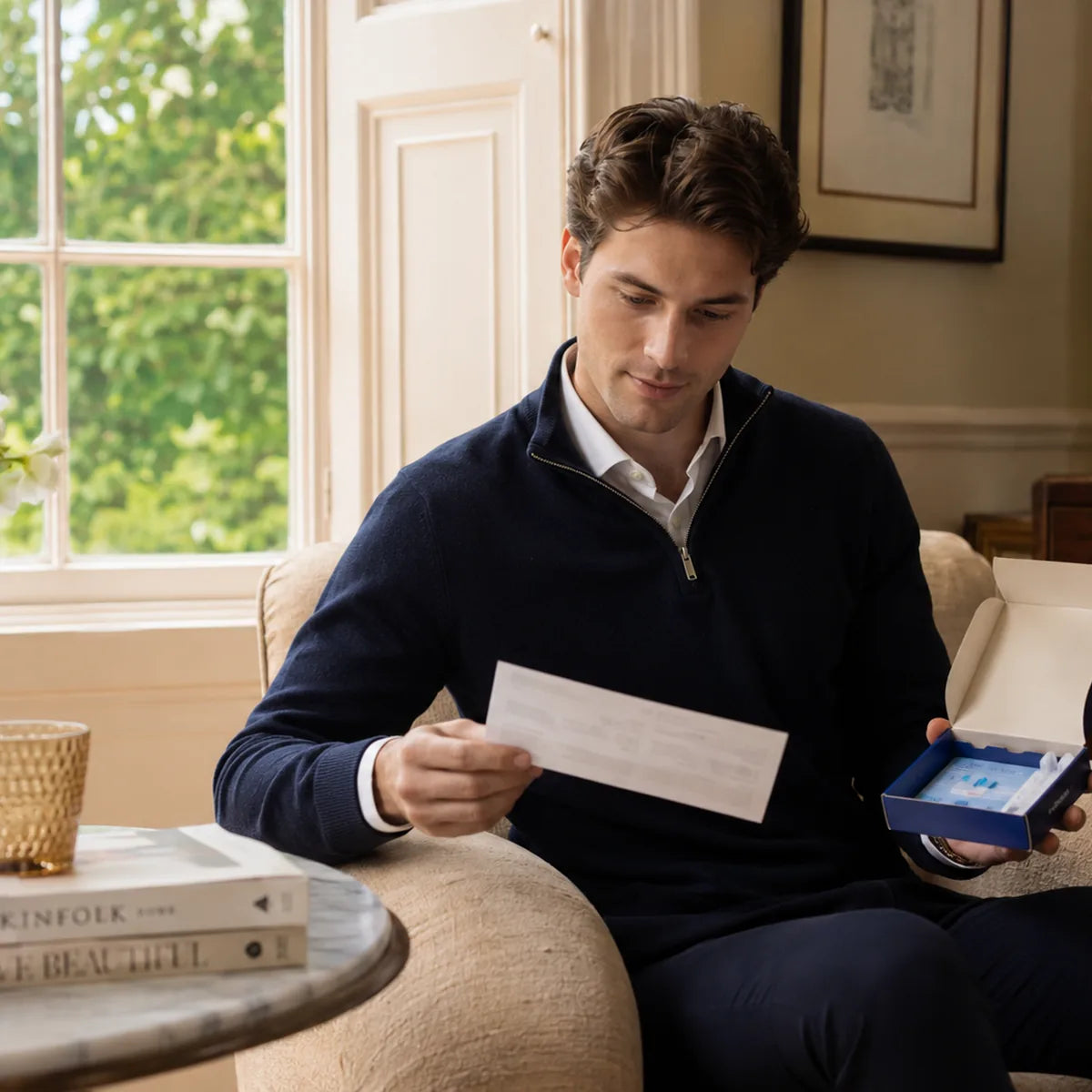
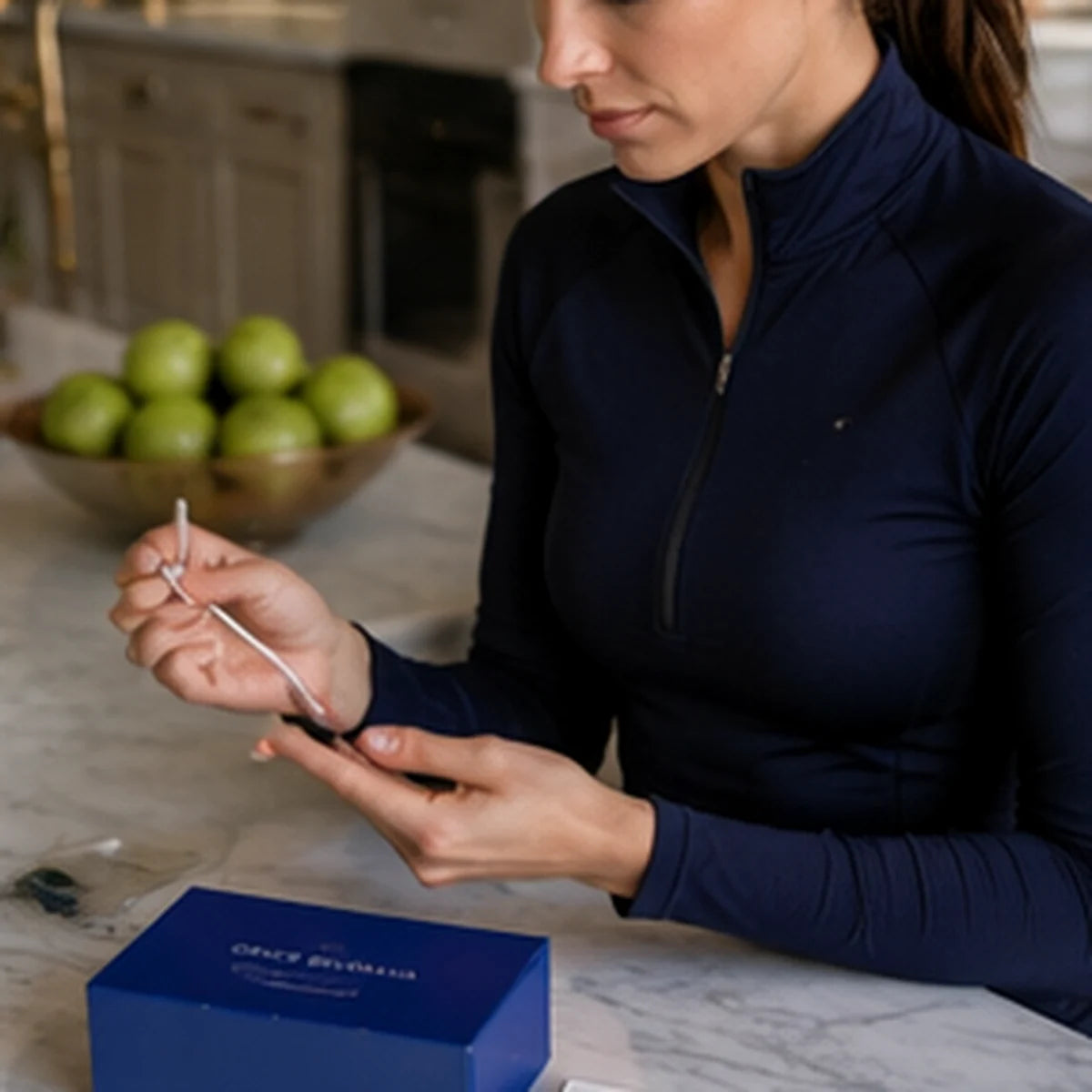
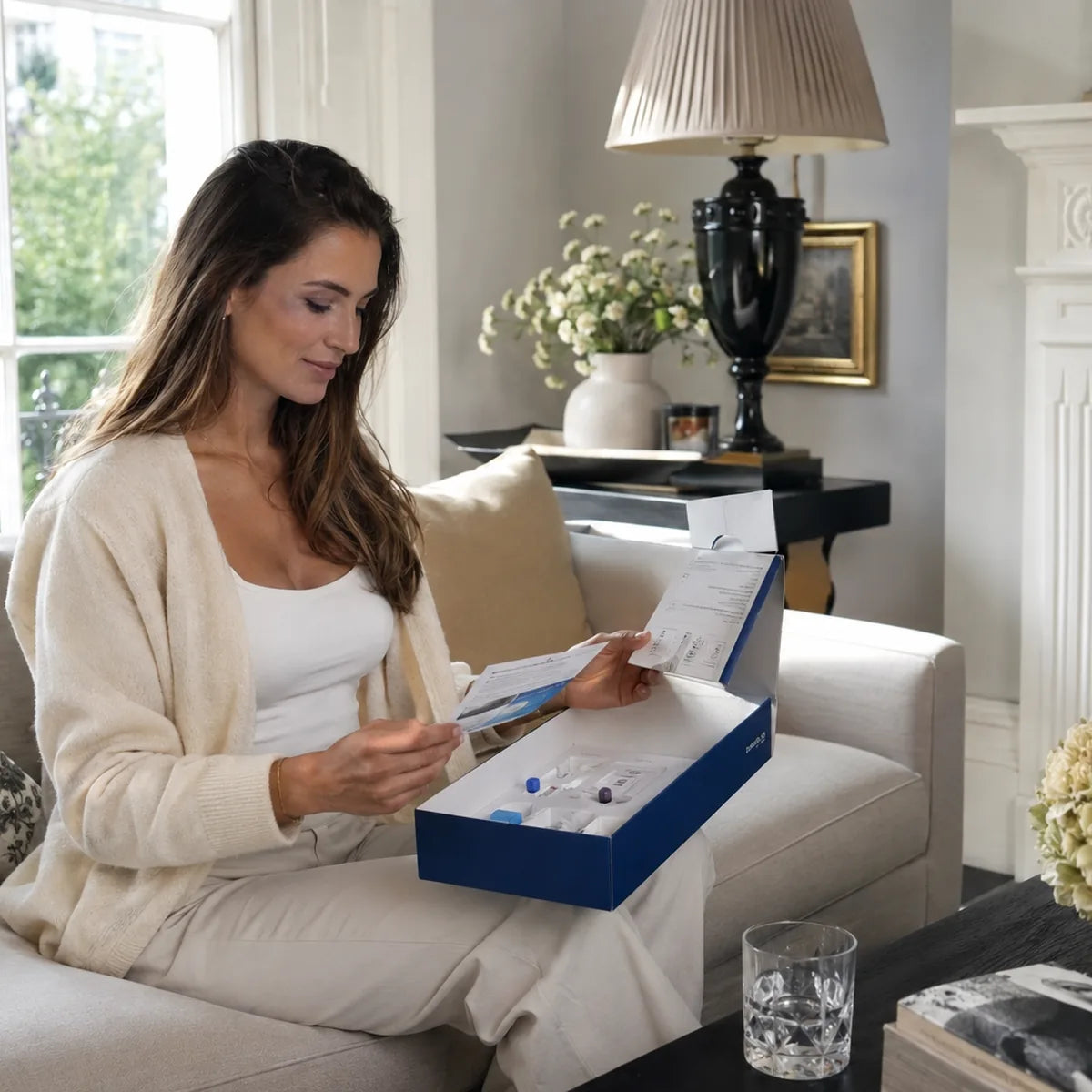
Collect capillary blood into the microtainer and return it using the supplied packaging.
Review the result
Read the laboratory reference interval and seek medical advice for abnormal or unexpected findings.
Preparing for your fasting glucose test
| Preparation | What to do |
|---|---|
| Fasting period | Fast for 8 to 10 hours unless the kit instructions or a clinician specify a different period. |
| Water | Drink plain water. Good hydration may make capillary collection easier. |
| Other drinks | Do not have coffee, tea, juice, milk, alcohol, energy drinks or other calorie containing drinks during the fast. |
| Food and supplements | Do not eat food, chew gum or take calorie containing supplements during the fast. |
| Medicines | Do not stop prescribed medicines unless advised. Ask for instructions if you use insulin or medicine that can cause low glucose. |
| Exercise and stress | Avoid unusually strenuous exercise before collection. Acute stress and poor sleep may affect glucose. |
| Illness | Infection and acute illness can raise glucose. Seek medical advice if you feel unwell rather than relying on a screening result. |
| Collection time | Collect in the morning after an overnight fast and return the sample promptly as instructed. |
Understanding fasting glucose results
The laboratory reference interval and any comments on your individual report take priority. The thresholds below apply where the result is reported as fasting plasma glucose in mmol/L.
| Result category | What it may mean | What to do |
|---|---|---|
| Critical low | A critically low laboratory result may be associated with severe hypoglycaemia. Symptoms can include sweating, shaking, confusion, seizures or unconsciousness. | Follow the urgent instructions supplied with the result. Call 999 for unconsciousness, seizure or severe confusion. |
| Low | Low glucose may occur with insulin, some diabetes medicines, prolonged fasting, alcohol, hormone conditions, liver disease or other causes. | If awake and able to swallow, follow appropriate hypoglycaemia advice. Seek medical advice, especially if you do not have diabetes. |
| Below 6.1 mmol/L | This is below the fasting plasma glucose range commonly used for impaired fasting glycaemia. | Speak with a GP if symptoms continue because one normal result does not exclude every glucose disorder. |
| 6.1 to 6.9 mmol/L | This range is commonly described as impaired fasting glycaemia and is associated with increased risk of type 2 diabetes. | Discuss the result with your GP. HbA1c, repeat fasting glucose or lifestyle support may be recommended. |
| 7.0 mmol/L or above | This is within the fasting plasma glucose range used for possible diabetes. | Arrange prompt medical review. A second diagnostic test is usually needed when symptoms are absent. |
| Critical high | A critical result may accompany severe hyperglycaemia. Vomiting, abdominal pain, dehydration, drowsiness, confusion or abnormal breathing can indicate an emergency. | Follow the urgent laboratory guidance and seek immediate medical care. |
Fasting glucose compared with HbA1c
| Test | What it measures | Key limitation |
|---|---|---|
| Fasting glucose | Blood glucose at one moment after an overnight fast. | Can vary with recent illness, stress, medicines, sleep and correct fasting. |
| HbA1c | Average glucose exposure over roughly two to three months. | Can be unreliable with some anaemias, haemoglobin disorders, pregnancy, blood loss and other conditions. |
A clinician may use both tests because they answer different questions.
Content standards
How this product information was prepared
This page was prepared from the supplied fasting glucose product specification and expanded using current UK guidance on diabetes diagnosis, impaired fasting glycaemia, hypoglycaemia, hyperglycaemia and accredited laboratory testing.
Expert review
Medical and editorial review
This product information has been reviewed for metabolic health context, fasting preparation, result thresholds, patient safety and appropriate escalation of low or high glucose findings.
The review applies to general product information. It is not personal medical advice and does not provide an individual diagnosis or treatment recommendation.
Dr Rimas Geiga
Medical Doctor, Nutritional Sciences Adviser and Healthy Ageing Expert
Reviewed the fasting glucose, metabolic health, diabetes risk and responsible nutrition and lifestyle context.
View professional profileVeronika Matutyte
Medical Doctor and Healthcare Management Expert
Reviewed low and high glucose safety guidance, urgent symptoms, medicine cautions and the limits of home screening.
View professional profileDr Laura Geige
Medical Director, Senior Practitioner and Skin Expert
Reviewed the patient friendly presentation, medical limitations, safety wording and distinction between a glucose result and a diagnosis.
View professional profileFurther reading
Authoritative UK diabetes and laboratory information
These resources provide additional context. They do not replace the instructions, units, reference interval or comments supplied with your laboratory report.
View NICE, NHS and UK quality references
- NICE guidance on diagnosing type 2 diabetes in adults
- NICE guidance on people at high risk of type 2 diabetes
- NHS guidance on low blood sugar
- NHS guidance on high blood sugar
- NHS diabetes symptoms and when to seek help
- UKAS medical laboratory accreditation
- CQC diagnostic and screening services guidance
Search led questions
Home blood sugar and fasting glucose FAQs
Can I test my blood sugar at home?
Yes. This kit uses a capillary blood sample collected at home and returned for laboratory analysis. It is a single fasting glucose test rather than a reusable glucose meter.
How long should I fast before a fasting glucose test?
Fast for 8 to 10 hours unless the kit instructions or your clinician say otherwise. Overnight fasting is usually the easiest approach.
Can I drink water before a fasting blood sugar test?
Yes. Plain water is normally allowed and can help with sample collection. Do not add flavouring, sugar, milk or supplements.
Can I drink coffee before a fasting glucose test?
No. For this fasting test, have plain water only during the fasting period. Coffee, tea, juice, alcohol and other drinks may affect the result.
What is a normal fasting blood sugar level in the UK?
Where a laboratory reports fasting plasma glucose, a result below 6.1 mmol/L is generally below the impaired fasting glucose range. The laboratory reference interval on your report takes priority.
What fasting glucose level suggests prediabetes?
A fasting plasma glucose result from 6.1 to 6.9 mmol/L is commonly described in UK guidance as impaired fasting glycaemia. It requires clinical interpretation and follow up.
Does a fasting glucose of 7.0 mmol/L mean diabetes?
A fasting plasma glucose result of 7.0 mmol/L or above is within the range used for possible diabetes. If symptoms are absent, a second diagnostic test is normally required before a diagnosis is confirmed.
What is the difference between fasting glucose and HbA1c?
Fasting glucose measures blood sugar at one point after fasting. HbA1c estimates average glucose exposure over roughly the previous two to three months. A clinician may use one or both tests.
Can stress or illness raise fasting glucose?
Yes. Acute illness, infection, poor sleep, physical stress and some medicines can temporarily raise glucose. Discuss an unexpected result with a healthcare professional.
Should I take diabetes medicine before fasting?
Do not change insulin or diabetes medicine without advice from your diabetes care team. Fasting while using medicines that lower glucose can cause hypoglycaemia.
Is a finger prick fasting glucose test accurate?
A suitable capillary sample can be analysed accurately by the laboratory. Correct fasting, adequate sample volume, prompt return and proper handling all matter.
Can one fasting glucose test diagnose diabetes?
Not always. A result in the diabetes range may need confirmation with a repeat fasting plasma glucose, HbA1c or another clinically appropriate test, particularly when symptoms are absent.
When should high or low blood sugar be treated as urgent?
Call 999 for unconsciousness, a seizure, severe confusion or abnormal breathing. Seek urgent advice for vomiting, abdominal pain, marked drowsiness, severe dehydration or a critical laboratory result.
Are the laboratories UKAS accredited and CQC registered?
Samples are processed through UKAS accredited laboratories within a CQC registered diagnostic pathway. The collection equipment is UKCA and CE marked and supported by an ISO 13485 quality management framework.