

















At home blood test kit
General Health Blood Test Kit UK
A broad wellness and energy screen measuring 17 biomarkers linked with thyroid function, kidney related health, liver related proteins, cholesterol, inflammation, vitamin B12, vitamin D, magnesium and morning cortisol.
This simple finger prick blood test can help highlight results that may be worth discussing with a doctor or qualified healthcare professional. It provides general health context, particularly where tiredness or low energy is a concern.
This test cannot diagnose the cause of tiredness, fatigue, adrenal disease or any other medical condition on its own. Results must be considered with symptoms, medicines, medical history, lifestyle and any previous investigations.
What this test measures
The General Health Blood Test Kit provides a broad profile of selected biomarkers that may be relevant to overall wellbeing and energy. It does not include every possible cause of tiredness, such as a full blood count, iron studies or every liver enzyme.
| Health area | Biomarkers included | What they help show |
|---|---|---|
| Thyroid | TSH and free T4 | Patterns associated with thyroid hormone regulation and thyroid function. |
| Kidney related markers | Urea and creatinine | Information about waste products commonly considered when reviewing kidney function and hydration. |
| Liver related proteins | Albumin and total protein | Protein balance, nutrition, hydration and patterns that may relate to liver, kidney or inflammatory conditions. |
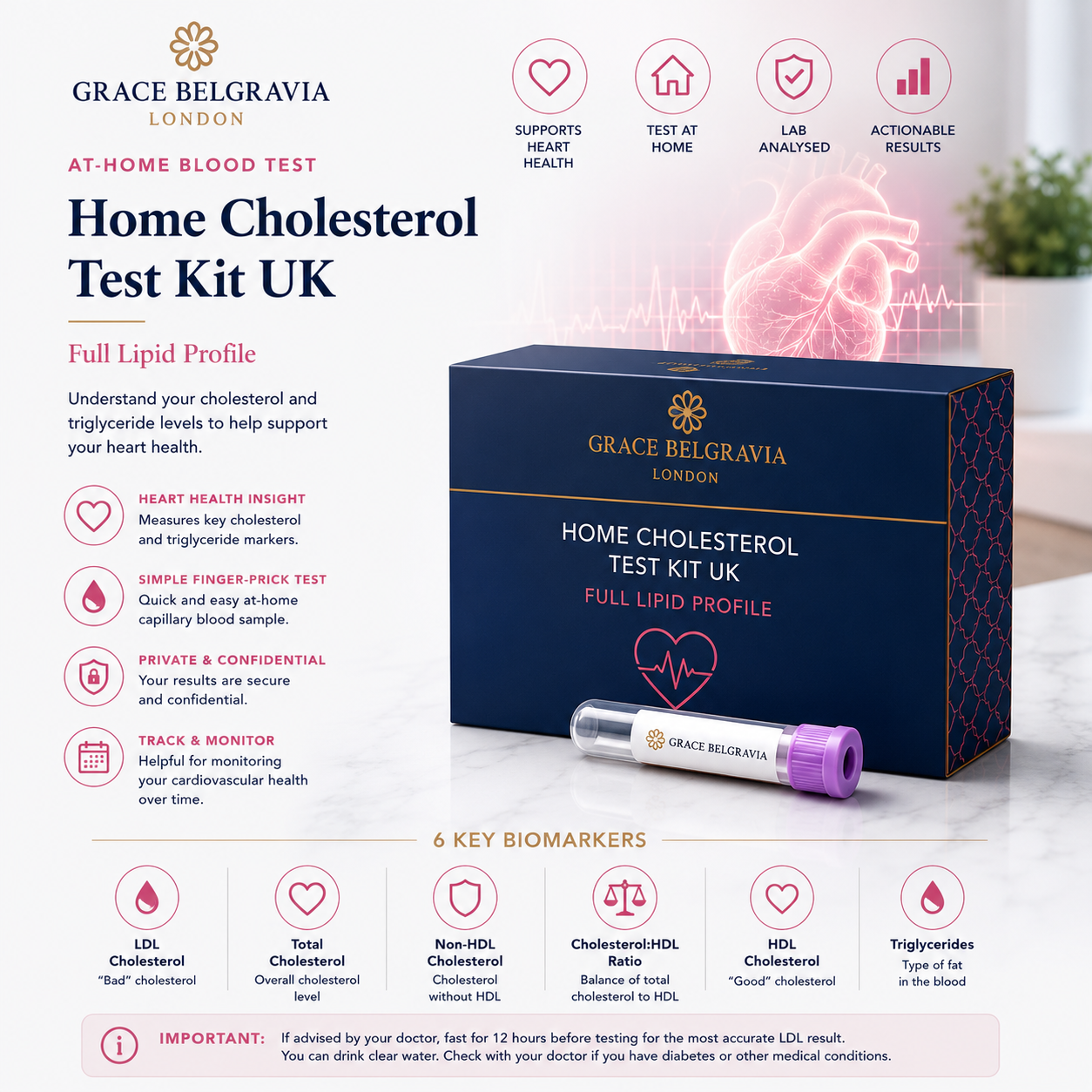
| Cholesterol and heart health | Total cholesterol, LDL, HDL, non HDL cholesterol, triglycerides and cholesterol to HDL ratio | A broad lipid profile used with other factors when assessing cardiovascular risk. |
| Inflammation | C reactive protein | A general marker that may rise with inflammation, infection or tissue injury. |
| Vitamins and minerals | Vitamin B12, vitamin D and magnesium | Selected nutritional markers relevant to nerves, blood cells, bones, muscles and energy processes. |
| Cortisol | Morning serum cortisol | A time sensitive hormone measurement relevant to the body response to physical and emotional stress. |
Who may consider this test
This screen may be considered by adults who would like a broader view of selected health markers or who wish to investigate results that may be relevant to:
- Persistent tiredness or low energy
- Changes in weight
- Possible thyroid related symptoms
- Concerns about vitamin B12, vitamin D or magnesium
- Cholesterol and cardiovascular risk monitoring
- Selected kidney related markers
- Inflammation monitoring
- General wellbeing and health tracking
Fatigue has many possible causes, including poor sleep, stress, mental health conditions, medicines, infection, anaemia, endocrine disease and chronic illness. This screen does not investigate every possible cause.
How the test works
Collect your sample
Use the supplied finger prick equipment and collect capillary blood into the microtainer.
Return it for analysis
Package and return the sample according to the instructions supplied with the kit.
Review your results
Consider every result with the laboratory reference interval and discuss abnormal or unexpected findings with a clinician.
Read the instructions before starting. Warm hands, good hydration where medically appropriate and careful collection can reduce the risk of an insufficient or unsuitable sample.
Preparing for your test
| Preparation | What to do |
|---|---|
| Morning collection | Collect between 6 am and 10 am where morning cortisol interpretation is required. |
| Fasting | Follow the kit instructions. You may be asked to fast for 9 to 12 hours because food can affect triglycerides and some cholesterol measurements. |
| Hydration | Drink water as normal unless you have been given different medical advice. |
| Medicines | Do not stop prescribed medicines unless a doctor or qualified prescriber tells you to do so. Continue prescribed thyroid medicine unless your clinician advises otherwise. |
| Biotin | Biotin, vitamin B7, can interfere with some thyroid tests. Ask your doctor whether it should be paused before collection. |
| Recent illness | Recent illness or infection may affect some markers. For thyroid testing, you may be advised to delay collection for about one month. |
| Supplements | Tell your doctor or testing provider about all vitamins, minerals and other supplements you take. |
Understanding the colour coded result tables
The colours make longer result tables easier to scan. The written status and guidance should always be used, not colour alone.
Reference intervals can vary by laboratory, method, units, age, sex and clinical circumstances. The interval printed on your own report takes priority.
Biomarkers and result interpretation
Select each biomarker to read what it measures, preparation guidance and the meaning of low, normal, high and critical results.
Urea
Urea is a waste product formed when the body processes protein. It is produced through processes involving the liver and is removed from the blood mainly by the kidneys. It also contributes to the balance of fluids and electrolytes.
Urea can be influenced by kidney function, liver function, hydration, diet, protein intake, medicines and other medical conditions. Drinking enough water and eating a balanced diet can support general health. People with a history of kidney or liver disease should discuss monitoring with their doctor.
How to understand this result
| Result | What it may mean | What to do |
|---|---|---|
| Critical low | A very low result may be associated with severe liver dysfunction, poor nutrition, excess fluid intake or another medical condition. Symptoms may include muscle weakness, nausea, vomiting and loss of appetite. | Arrange prompt medical review. |
| Low | Low urea is uncommon. Possible causes include liver disease, poor nutrition, low protein intake, excess hydration and other medical conditions. Symptoms may include nausea, vomiting, poor appetite and muscle weakness. | Discuss the result with your GP. |
| Normal | The result falls within the laboratory reference interval. This is generally reassuring and is compatible with normal removal of waste from the blood. | Consider it alongside creatinine, hydration, symptoms and medical history. Speak with your doctor if concerns remain. |
| High | High urea may occur with kidney disease, dehydration, increased protein breakdown, high protein intake, gastrointestinal bleeding or certain medicines. Symptoms may include tiredness, weakness and loss of appetite. | Discuss the result with your GP as soon as possible. |
| Critical high | A very high result may be associated with significant dehydration or severely reduced kidney function. Severe cases may be accompanied by confusion, drowsiness or loss of consciousness. | Seek urgent medical advice. |
Low density lipoprotein cholesterol
Low density lipoprotein cholesterol is commonly called LDL cholesterol. It carries cholesterol through the bloodstream. Raised levels may contribute to plaque within the arteries and increase cardiovascular risk.
A balanced diet with limited saturated and trans fats, regular physical activity and maintaining a healthy weight can support healthier cholesterol levels. Some people may be prescribed medicines such as statins.
Follow the instructions supplied with your kit. You may be advised to fast for 9 to 12 hours before collecting the sample so that the lipid profile can be interpreted consistently.
How to understand this result
| Result | What it may mean | What to do |
|---|---|---|
| Critical low | Very low LDL is uncommon. It may be associated with medicines, genetic factors, poor nutrition or an underlying medical condition. | Arrange an appointment with a healthcare professional. |
| Low | Low LDL may be influenced by diet, activity, genetics or medicines such as statins. It is generally considered favourable in relation to cardiovascular risk. | Consider the result alongside your complete cardiovascular risk profile. |
| Normal | The result falls within the expected interval and is generally reassuring. | Remember that cardiovascular risk also depends on blood pressure, smoking, diabetes, age, family history and other factors. |
| Borderline high | Even a borderline high LDL result may contribute to cardiovascular risk over time. Diet, genetics, weight, activity and medical conditions may affect it. | Discuss the result with your doctor, who may recommend lifestyle changes or further testing. |
| High | High LDL may be associated with diet, genetics, limited physical activity, excess weight, diabetes, thyroid conditions or other factors. Raised LDL can contribute to plaque within the arteries. | See your GP to review your overall cardiovascular risk. |
| Critical high | Very high LDL may substantially increase cardiovascular risk and may sometimes suggest an inherited cholesterol condition. | Arrange prompt medical review and further assessment. |
Total cholesterol
Cholesterol is a fatty substance needed for cell structure, hormone production and the absorption of fats and fat soluble vitamins. Raised levels of some forms of cholesterol may contribute to plaque within the arteries and increase cardiovascular risk.
Total cholesterol represents the combined amount of different cholesterol types in the blood. It should be considered with LDL, HDL, non HDL cholesterol, triglycerides and personal risk factors.
Follow the test instructions. You may be advised to fast for 9 to 12 hours before collection.
How to understand this result
| Result | What it may mean | What to do |
|---|---|---|
| Critical low | Very low total cholesterol is uncommon. It may be associated with poor nutrition, medicines, thyroid conditions, liver disease, chronic illness or inherited factors. | Discuss an unexpectedly very low result with a healthcare professional. |
| Low | Low total cholesterol may occur because of diet, poor nutrition, medicines or certain medical conditions. | Review the result with a clinician if it is unexpected or if symptoms are present. |
| Normal | The result falls within the expected interval. This is generally reassuring, but it does not remove all cardiovascular risk. | Continue to consider blood pressure, smoking, diabetes, activity, weight and family history. |
| Borderline high | Borderline high cholesterol may be influenced by genetics, diet, weight, limited activity and medical conditions. | Discuss the result with your GP and consider appropriate lifestyle changes. |
| High | High total cholesterol may increase cardiovascular risk and can be associated with genetics, diet and limited activity. | See your GP for a complete risk assessment and advice. |
| Critical high | Very high total cholesterol may substantially increase the risk of heart attack and stroke and may indicate an inherited cholesterol disorder. | Arrange prompt medical review. |
Creatinine
Creatinine is a waste product produced through normal muscle activity and removed from the blood mainly by the kidneys. Levels can be affected by kidney function, hydration, muscle mass, exercise, muscle injury, diet, supplements and medicines.
Drinking enough water and following a balanced diet can support general health. People with known kidney disease may require regular monitoring directed by a clinician.
How to understand this result
| Result | What it may mean | What to do |
|---|---|---|
| Low | Low creatinine is uncommon. Possible causes include low muscle mass, poor nutrition, pregnancy and certain medical conditions. | Discuss an unexpected low result with your GP. |
| Normal | The result falls within the laboratory reference interval. This is generally reassuring and is compatible with effective removal of creatinine from the blood. | Speak with your doctor if symptoms or concerns remain. |
| High | High creatinine may occur with reduced kidney function, dehydration, muscle damage, intense exercise, increased muscle mass, supplements or certain medicines. | Discuss the result with your GP as soon as possible. |
| Critical high | A very high result may suggest significant impairment of kidney function or another serious medical problem. | Seek urgent medical review. |
Non HDL cholesterol
Non HDL cholesterol is calculated by subtracting HDL cholesterol from total cholesterol. It represents several cholesterol particles that may contribute to plaque within the arteries.
A balanced diet, regular activity, maintaining a healthy weight and avoiding smoking can support cardiovascular health.
How to understand this result
| Result | What it may mean | What to do |
|---|---|---|
| Low | A low result means that there is a lower amount of cholesterol associated with plaque formation. This is usually favourable in relation to heart attack and stroke risk. | Consider the result alongside your complete cardiovascular profile. |
| Normal | The result falls within the expected interval and is generally reassuring. | Continue to consider other risk factors such as blood pressure, smoking, diabetes and family history. |
| High | A high result means that there is a greater amount of cholesterol that may contribute to plaque within the arteries and increase cardiovascular risk. | Discuss the result with your GP. |
Albumin
Albumin is a protein produced by the liver. It helps maintain fluid balance and transports hormones, nutrients and medicines through the bloodstream. It also contributes to normal immune and tissue functions.
Albumin can be influenced by liver function, kidney conditions, inflammation, hydration, nutrition and long term health conditions.
Low albumin may be associated with swelling of the legs, ankles or feet, tiredness, weakness, loss of appetite, nausea, slower wound healing or more frequent infections. High albumin is less common and usually does not cause specific symptoms, but it may reflect dehydration or another medical issue.
A healthcare professional may recommend albumin testing where there are concerns about liver disease, kidney disease or urinary protein loss, poor nutrition or absorption, chronic infection, inflammation, persistent swelling or certain blood and immune conditions.
How to understand this result
| Result | What it may mean | What to do |
|---|---|---|
| Critical low | Very low albumin may be associated with significant liver disease, kidney protein loss, severe inflammation, poor nutrition or another serious condition. Symptoms may include muscle weakness, swelling and severe tiredness. | Seek urgent medical review. |
| Low | Low albumin may be associated with poor nutrition, liver disease, kidney disease, inflammation, poor absorption or other conditions. Symptoms may include tiredness, weakness and swelling. | Discuss the result with your GP. |
| Normal | The result falls within the expected interval and indicates that there is sufficient albumin to support fluid balance and transport functions. | Consider it alongside total protein, kidney results, other liver related results and symptoms. |
| High | High albumin is most commonly associated with dehydration. An unexpected result may also require consideration of medicines and other medical factors. | Discuss a persistent or unexpected result with your GP. |
| Critical high | A markedly high result may indicate significant dehydration or another serious issue affecting blood concentration. Confusion, drowsiness or severe illness requires urgent assessment. | Seek prompt medical advice. |
Total protein
Total protein measures the combined amount of albumin and other proteins in the blood. These proteins support growth, repair, muscles, organs, immunity, fluid balance and the transport of substances through the bloodstream.
Eating a balanced diet that includes varied sources of protein supports general nutrition. Results may also be affected by hydration, liver function, kidney conditions, inflammation, infection and blood or immune disorders.
How to understand this result
| Result | What it may mean | What to do |
|---|---|---|
| Low | Low total protein may be associated with poor nutrition, poor absorption, liver disease, kidney protein loss or another condition. Symptoms may include tiredness, muscle weakness and swelling. | Discuss the result with your doctor. |
| Normal | The result falls within the expected laboratory interval and is generally reassuring. | Consider it alongside albumin and other relevant results. |
| High | High total protein may be associated with dehydration, infection, inflammation or certain blood and immune conditions, including multiple myeloma. Symptoms can vary and may include weakness or swelling. | Discuss the result with your doctor, who may arrange further tests. |
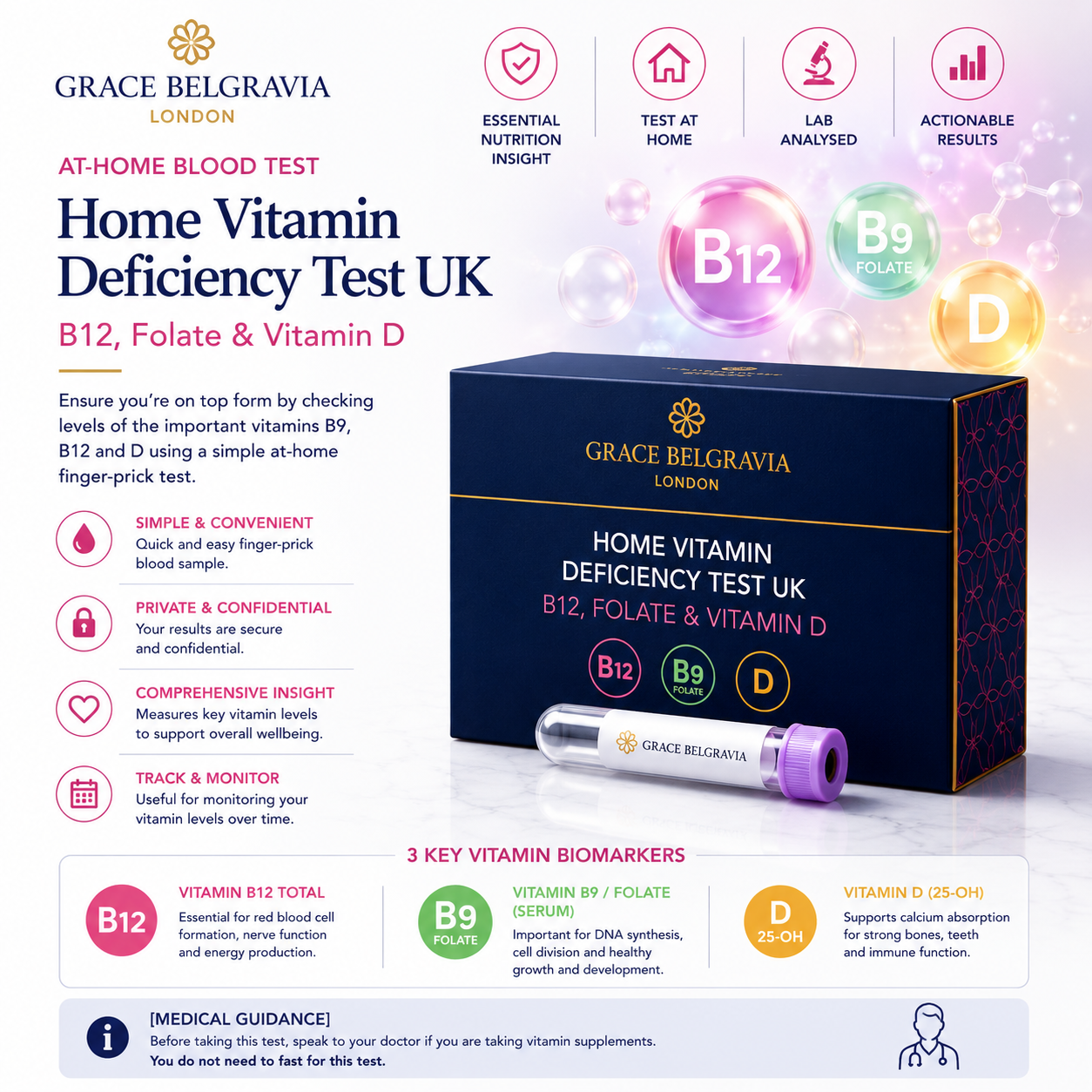
Vitamin B12
Vitamin B12 supports the normal function of the brain and nervous system and the production of red blood cells. Food sources include meat, fish, eggs and dairy products.
Low levels may occur because of poor dietary intake, pernicious anaemia, reduced absorption, gastrointestinal conditions, surgery or medicines such as proton pump inhibitors. Tell your doctor about medicines and supplements you take.
How to understand this result
| Result | What it may mean | What to do |
|---|---|---|
| Critical low | A very low result may indicate severe deficiency. Symptoms may include muscle weakness, numbness, tingling in the hands and feet, difficulty walking, confusion, drowsiness or seizures. | Seek prompt medical advice. |
| Low | Low vitamin B12 may be caused by pernicious anaemia, poor intake, absorption problems or medicines. Symptoms may include tiredness, weakness and tingling in the hands and feet. | See your GP to discuss the result and possible treatment. |
| Normal | The result falls within the expected interval and indicates that the measured vitamin B12 level is sufficient. | Speak with your doctor if symptoms remain despite a normal result. |
| High | High vitamin B12 may reflect supplements, injections or treatment. It may also occur with liver disease, kidney disease or certain blood conditions. | Discuss an unexplained high result with your GP. |
| Critical high | A very high result requires clinical review, especially if you are not using supplements or receiving treatment. Severe tiredness, tingling, confusion or drowsiness should not be ignored. | Arrange prompt medical assessment. |
Cortisol
Cortisol is a hormone produced by the adrenal glands. It helps the body respond to physical and emotional stress and contributes to metabolism, blood pressure and immune activity.
Cortisol changes naturally during the day and can be affected by sleep, illness, pregnancy, exercise, medicines and stress. Stress management may support general wellbeing, but one cortisol result cannot diagnose an adrenal condition.
Collect the sample between 6 am and 10 am unless your kit gives different instructions. The supplied provider guidance gives a morning range of 166 to 507. Use the units and reference interval printed on your own laboratory report. If the result is shown as uninterpretable or not calculable, the collection time may not allow interpretation and another sample may be needed.
How to understand this result
| Result | What it may mean | What to do |
|---|---|---|
| Low | Low cortisol is uncommon. It may be associated with adrenal or pituitary conditions, steroid medicine use or another medical factor. Symptoms may include tiredness, weakness, dizziness, nausea, weight loss or low blood pressure. | Discuss the result with a doctor. |
| Normal | The result falls within the stated morning reference interval. This is generally reassuring. | Remember that one result cannot exclude every adrenal or hormonal condition. |
| High | High cortisol may be associated with physical or emotional stress, illness, sleep disruption, medicines or an endocrine condition such as Cushing syndrome. Long term elevation may be associated with weight gain, tiredness and high blood pressure. | See your GP to discuss a high or persistent result. |
Cholesterol to HDL ratio
The cholesterol to HDL ratio compares total cholesterol with HDL cholesterol. It provides additional information about the balance between total cholesterol and the cholesterol carried by HDL.
A balanced diet, regular activity, maintaining a healthy weight, avoiding smoking and limiting excess alcohol can support cardiovascular health. Medicines such as statins may be prescribed where appropriate.
How to understand this result
| Result | What it may mean | What to do |
|---|---|---|
| Critical low | A very low ratio is often favourable, but an unusual result should be considered with the individual total cholesterol and HDL values. | Discuss an unexpected result with a healthcare professional. |
| Low | A low ratio can be influenced by diet, activity, genetics or medicines such as statins. It is generally considered a favourable cardiovascular marker. | Consider the result as part of your wider cardiovascular profile. |
| Normal | The result suggests a generally favourable balance between total cholesterol and HDL cholesterol. | Remember that it does not remove all cardiovascular risk. |
| High | A high ratio may be associated with raised total cholesterol, low HDL, diet, limited activity, smoking, genetics or certain medical conditions. | See your GP to discuss the result. |
| Critical high | A very high ratio may indicate substantially increased cardiovascular risk. | Arrange prompt review of your complete lipid profile and personal risk factors. |
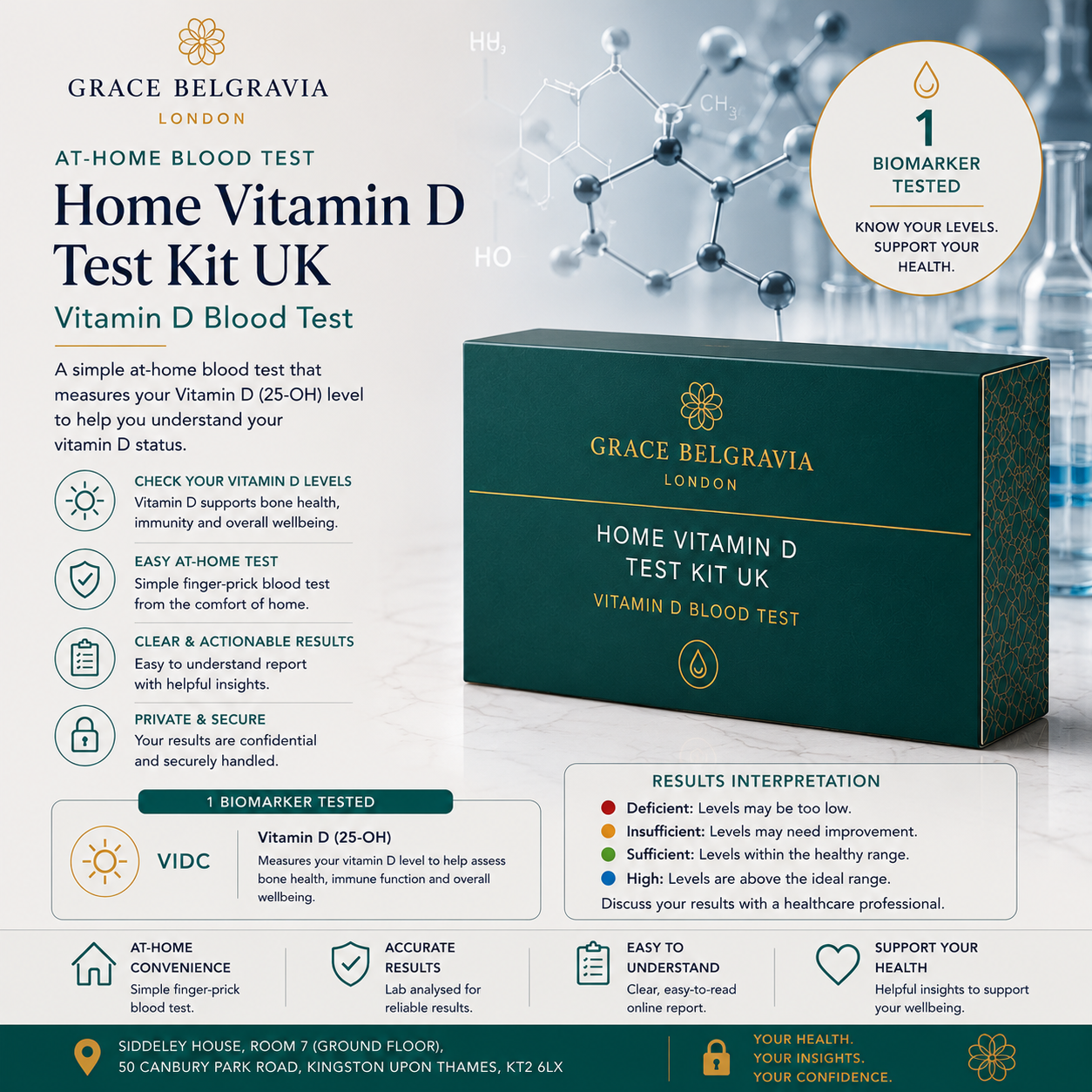
Vitamin D
Vitamin D helps the body absorb calcium and supports normal bones, teeth, muscles and immune function. It is obtained through sunlight exposure, food and supplements.
Low vitamin D is common in the United Kingdom, particularly during autumn and winter, in people with limited sunlight exposure and in people with darker skin, including many people with family origins in the Indian subcontinent.
How to understand this result
| Result | What it may mean | What to do |
|---|---|---|
| Severely deficient | A very low result may be associated with significant deficiency and requires assessment of the cause and any related bone or muscle effects. | Discuss the result with a doctor as soon as possible. |
| Deficient | Deficiency may contribute to muscle weakness, bone pain, low mood, osteoporosis and increased risk of falls or fractures. | Discuss treatment and further assessment with your doctor. |
| Low | A low result may be associated with tiredness, headaches, muscle or bone discomfort, low mood or other symptoms. These symptoms are not specific to vitamin D. | Discuss the result with your doctor. |
| Insufficient | The level is below the preferred range. Limited sunlight exposure, diet, absorption problems or increased requirements may contribute. | Ask a doctor or pharmacist about suitable dietary measures or supplementation. |
| Not deficient | Significant deficiency has not been identified. | Persistent symptoms still require a complete medical assessment. |
| Adequate | The level falls within an acceptable interval and is sufficient for normal health functions. | Maintain it with appropriate diet, safe sunlight exposure and supplementation only where needed. |
| Normal | The result falls within the laboratory reference interval and is generally reassuring. | Continue sensible measures to maintain vitamin D. |
| Optimal | The level falls within the range regarded as favourable by the reporting laboratory. | Avoid unnecessary high dose supplementation unless advised by a healthcare professional. |
| High | High vitamin D is most commonly associated with excessive supplementation. It may disturb calcium balance and affect muscles, bones, kidneys, the heart and brain. | Arrange a medical review. |
| Consider toxicity | The result is within a range where vitamin D toxicity must be considered. Possible effects include nausea, weakness, thirst, frequent urination, confusion and kidney problems. | Seek immediate medical review. |
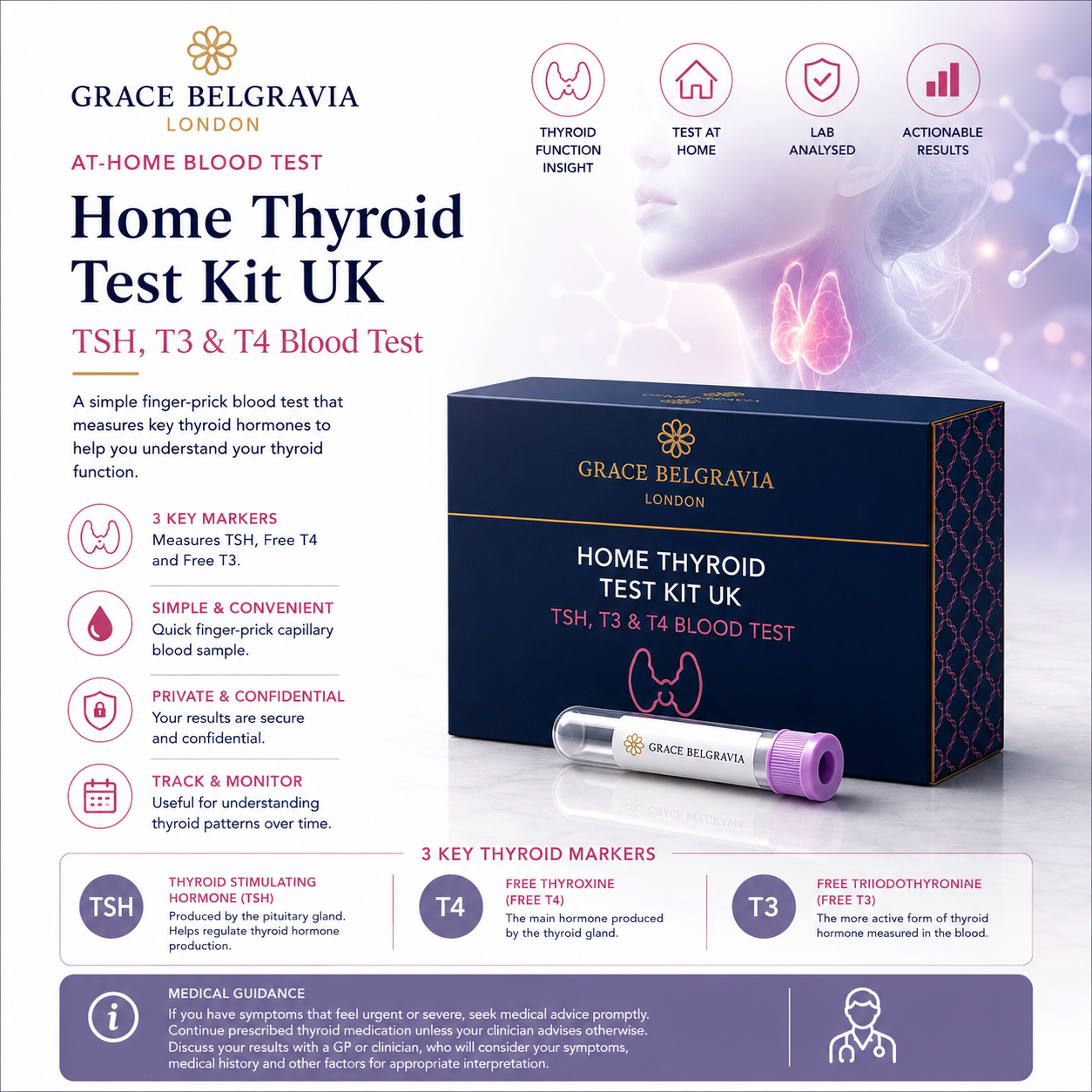
Thyroid stimulating hormone
Thyroid stimulating hormone, known as TSH, is produced by the pituitary gland. It signals the thyroid to produce thyroid hormones, which influence energy use, metabolism, temperature and many other body processes.
A high TSH may be associated with an underactive thyroid, while a low TSH may be associated with an overactive thyroid. TSH must be considered alongside free T4, symptoms, medicines and medical history.
Do not stop prescribed thyroid medicine unless your clinician tells you to do so. Tell the testing provider about medicines and supplements. Biotin, also known as vitamin B7, can interfere with some thyroid tests, so ask your doctor whether it should be paused. Unexpected weight loss should be discussed with a doctor without waiting for results. Recent illness or infection may alter thyroid results, and you may be advised to delay testing for about one month.
How to understand this result
| Result | What it may mean | What to do |
|---|---|---|
| Critical low | Very low TSH may be associated with thyroid overactivity, excessive thyroid hormone medicine, a thyroid condition, a pituitary condition or other causes. Symptoms may include anxiety, weight loss, palpitations and heat sensitivity. | Discuss the result with a doctor as soon as possible. |
| Low | Low TSH may be associated with an overactive thyroid. Symptoms may include anxiety, weight loss, tremor, sweating and sensitivity to heat. | See your GP promptly. |
| Normal | The result falls within the laboratory reference interval and is generally reassuring. | Consider it with free T4 and speak with your GP if symptoms or concerns remain. |
| High | High TSH may be associated with an underactive thyroid. Symptoms may include tiredness, weight gain, constipation, dry skin and sensitivity to cold. | See your GP to discuss the result. |
| Critical high | Very high TSH may indicate significant thyroid underactivity or, less commonly, a pituitary or other endocrine condition. Symptoms may include severe tiredness, weight gain and cold sensitivity. | Arrange prompt medical assessment. |
High density lipoprotein cholesterol
High density lipoprotein cholesterol is commonly called HDL cholesterol. It carries excess cholesterol from cells and tissues to the liver, where it can be processed and removed.
HDL is often described as good cholesterol because higher levels are generally associated with lower cardiovascular risk. Diet, activity, smoking, alcohol, genetics and medicines can affect it.
Follow your kit instructions. You may be advised to fast for 9 to 12 hours before collection.
How to understand this result
| Result | What it may mean | What to do |
|---|---|---|
| Low | Low HDL may be associated with increased cardiovascular risk. Possible influences include genetics, poor diet, limited activity, smoking and certain medicines such as anabolic steroids. | See your GP for advice based on your complete cardiovascular profile. |
| Normal | The result falls within the expected interval and is generally reassuring. | Consider it alongside LDL, non HDL cholesterol, triglycerides and your personal risk factors. |
| High | A high HDL result is often considered favourable and may be influenced by genetics, diet and regular activity. | Very unusual values should still be interpreted with the complete lipid profile. |
Magnesium
Magnesium is involved in more than 300 processes within the body. It supports muscles, nerves, heart rhythm, bones, energy production, immune function and the formation of new cells.
Magnesium can be influenced by diet, supplements, medicines, kidney function, gastrointestinal conditions and fluid loss.
Low magnesium may be associated with weakness, dizziness, poor balance, tremor and muscle cramps. High magnesium may be associated with severe tiredness, nausea, breathing difficulty and changes in heart rhythm.
A clinician may recommend magnesium testing where there is persistent tiredness, recurrent muscle cramps, gastrointestinal disease, kidney disease, suspected nutritional problems or use of medicines that may affect magnesium.
Fasting is not usually required unless the kit instructions say otherwise. Tell your doctor or testing provider about medicines, vitamins and mineral supplements.
How to understand this result
| Result | What it may mean | What to do |
|---|---|---|
| Critical low | Very low magnesium can affect the heart, muscles and nervous system. | Discuss the result with a doctor immediately. |
| Low | Low magnesium may occur because of poor intake, gastrointestinal loss, certain medicines, diabetes or other conditions. Symptoms may include tiredness, cramps, weakness and balance problems. | Discuss the result with your doctor, who may recommend treatment. |
| Normal | The result falls within the expected interval and indicates that the measured magnesium level is within range. | Speak with your doctor if symptoms remain. |
| High | High magnesium is uncommon. It may be caused by excessive supplements, medicines containing magnesium or reduced kidney function. Symptoms may include nausea, weakness and tiredness. | Discuss the result with your doctor. |
| Critical high | Very high magnesium can affect breathing, blood pressure and heart rhythm. | Seek immediate medical attention. |
C reactive protein
C reactive protein, known as CRP, is produced by the liver in response to inflammation, infection or tissue injury. It is a general marker and does not identify the exact location or cause.
Corticosteroids, non steroidal anti inflammatory medicines and other treatments may affect CRP. Tell your doctor about medicines you take.
How to understand this result
| Result | What it may mean | What to do |
|---|---|---|
| Low | A low CRP is usually not concerning and generally indicates little measurable systemic inflammation at the time of testing. Nutrition and some treatments can also influence the result. | Discuss it with your GP if you have significant symptoms or other abnormal results. |
| Normal | The result falls within the expected interval and makes a significant inflammatory or infectious process less likely. | Remember that a normal result does not rule out every condition. |
| High | High CRP may be caused by inflammation, infection, injury, inflammatory bowel disease, autoimmune disease, cancer, heart disease or other conditions. It cannot identify the cause on its own. | Discuss the result with a doctor. |
| Critical high | A very high result may indicate a serious infection or inflammatory condition, particularly when accompanied by acute illness. | Discuss the result with a doctor immediately. |
Free thyroxine
Free thyroxine, known as free T4 or FT4, is one of the main hormones produced by the thyroid. It contributes to metabolism, energy use, temperature regulation and heart activity.
Free T4 should be considered alongside TSH, symptoms, medicines, pregnancy, recent illness and previous thyroid results.
Do not stop prescribed thyroid medicine unless advised by your clinician. Tell the provider about medicines and supplements. Ask your doctor whether biotin, vitamin B7, should be paused. Discuss unexpected weight loss promptly. Recent illness or infection may affect thyroid results, and you may be advised to delay testing for about one month.
How to understand this result
| Result | What it may mean | What to do |
|---|---|---|
| Critical low | Very low free T4 may indicate significant thyroid hormone deficiency, reduced pituitary stimulation, a genetic condition or the effect of treatment for thyroid overactivity. Symptoms may include severe tiredness, weight gain and cold sensitivity. | Discuss the result with a doctor urgently. |
| Low | Low free T4 may be associated with an underactive thyroid. Symptoms may include weight gain, tiredness, dry skin, constipation and feeling cold. | See your GP to discuss the result. |
| Normal | The result falls within the expected interval and is generally reassuring. | It must still be assessed alongside TSH and symptoms. |
| High | High free T4 may be associated with an overactive thyroid or excessive thyroid hormone medicine. Symptoms may include weight loss, increased appetite, nervousness, tremor, sweating and palpitations. | See your GP as soon as possible. |
| Critical high | Very high free T4 may occur with severe thyroid overactivity, thyrotoxicosis or excessive thyroid hormone treatment. Symptoms may include palpitations, muscle weakness, agitation and difficulty sleeping. | Seek urgent medical advice. |
Triglycerides
Triglycerides are fats that circulate in the blood and provide energy. Raised levels may contribute to cardiovascular risk.
Triglycerides can be affected by recent food intake, alcohol, sugar and saturated fat intake, weight, activity, diabetes, kidney disease, thyroid function, genetics and medicines. A balanced diet, regular activity, a healthy weight and avoiding excess alcohol can help support healthier levels.
Food can raise triglycerides. You may be asked to fast for 8 to 12 hours before collection. A fatty meal during the previous 24 hours may also increase the result. Follow the instructions supplied with the kit.
How to understand this result
| Result | What it may mean | What to do |
|---|---|---|
| Critical low | Very low triglycerides are uncommon and may be associated with a very low fat diet, poor nutrition, thyroid overactivity or an underlying condition. | Discuss an unexpected result with your doctor. |
| Low | Low triglycerides may be influenced by diet, activity or genetics and are often considered favourable for cardiovascular risk. | Consider the result alongside the complete lipid profile. |
| Normal | The result falls within the expected interval and indicates that circulating triglycerides are within range. | Continue to consider your complete cardiovascular profile. |
| Borderline high | Borderline high triglycerides may contribute to cardiovascular risk. A recent fatty meal, alcohol, diet, weight and metabolic health can affect the result. | See your GP if the result remains raised. |
| High | High triglycerides may be associated with a diet high in sugar or saturated fat, limited activity, alcohol use, diabetes, kidney disease or certain medicines. | Discuss the result with your GP. |
| Critical high | Very high triglycerides may substantially increase cardiovascular risk and, at particularly high levels, may increase the risk of pancreatitis. | Seek prompt medical advice. |
General interpretation guidance
- A result outside the reference interval does not automatically confirm a medical condition.
- Results may be influenced by age, sex, pregnancy, medicines, supplements, hydration, food, activity, stress, collection time and recent illness.
- A normal result does not exclude every medical condition.
- Speak with your GP if you have ongoing symptoms, even when results fall within the expected range.
- Abnormal, unexpected or critical results may require repeat testing or further investigation.
Content standards
How this product information was prepared
This page was prepared to explain the supplied laboratory biomarkers in clear UK English while preserving the test scope, collection requirements, result categories, limitations and medical escalation guidance.
Expert review
Medical and editorial review
This product information has been reviewed for medical accuracy, appropriate scope, patient safety and responsible presentation. The review considered the thyroid, kidney, nutritional, cholesterol, inflammation and cortisol information, together with the guidance on when direct medical care is required.
The review applies to the general product information on this page. It is not personal medical advice and does not provide an individual diagnosis or interpretation of your results.
Dr Rimas Geiga
Medical Doctor, Nutritional Sciences Adviser and Healthy Ageing Expert
Reviewed the vitamin, magnesium, cholesterol, metabolic health, nutrition and general wellbeing information included within the product description.
View professional profileVeronika Matutyte
Medical Doctor and Healthcare Management Expert
Reviewed the general medical accuracy, thyroid and kidney context, urgent symptom guidance, patient safety and responsible communication of abnormal results.
View professional profileDr Laura Geige
Medical Director, Senior Practitioner and Skin Expert
Reviewed the patient friendly presentation, clinical limitations, safety wording and the distinction between general health information and individual medical advice.
View professional profile