















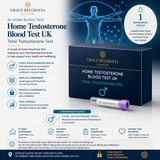

At home total testosterone blood test
Home Testosterone Blood Test UK | Total Testosterone Test
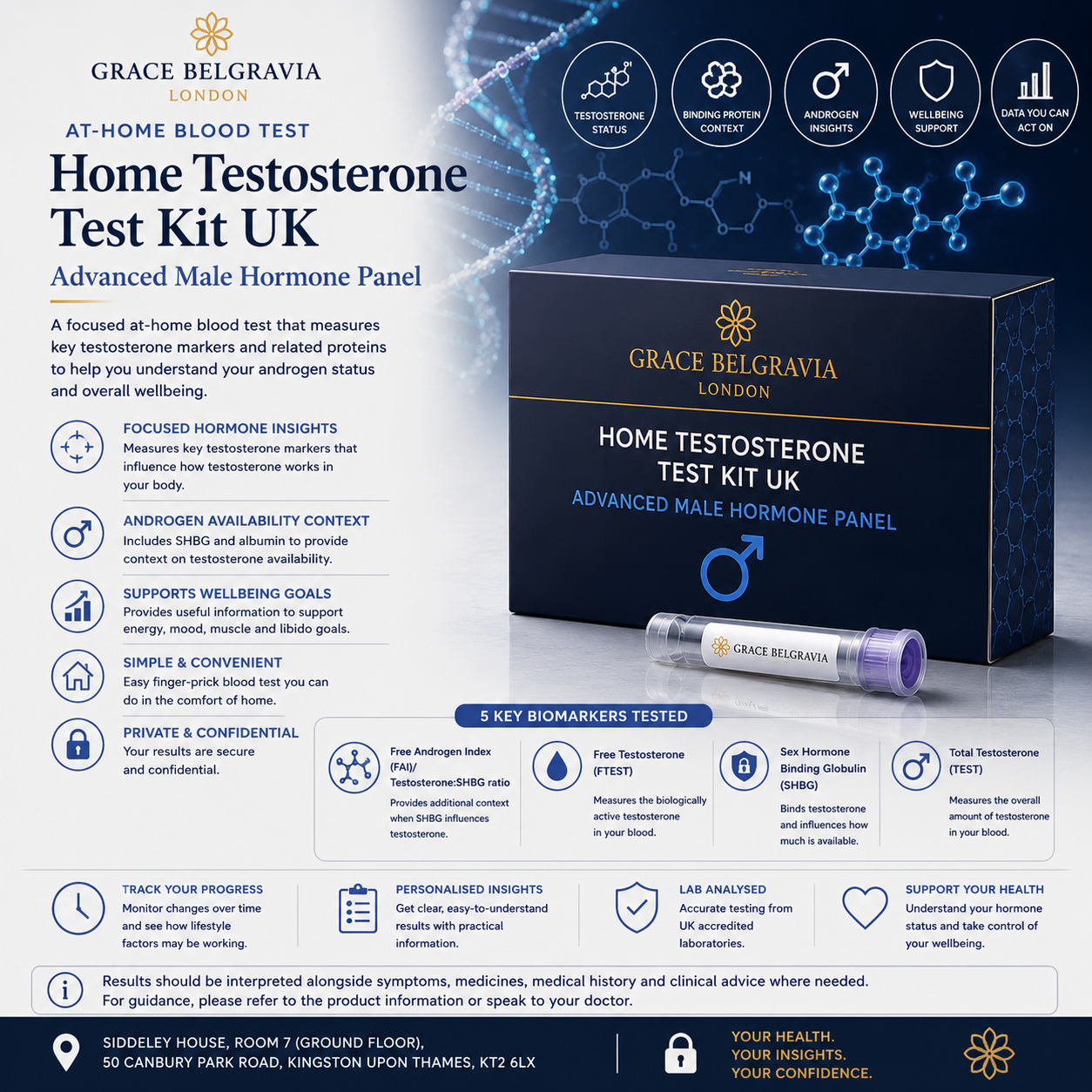
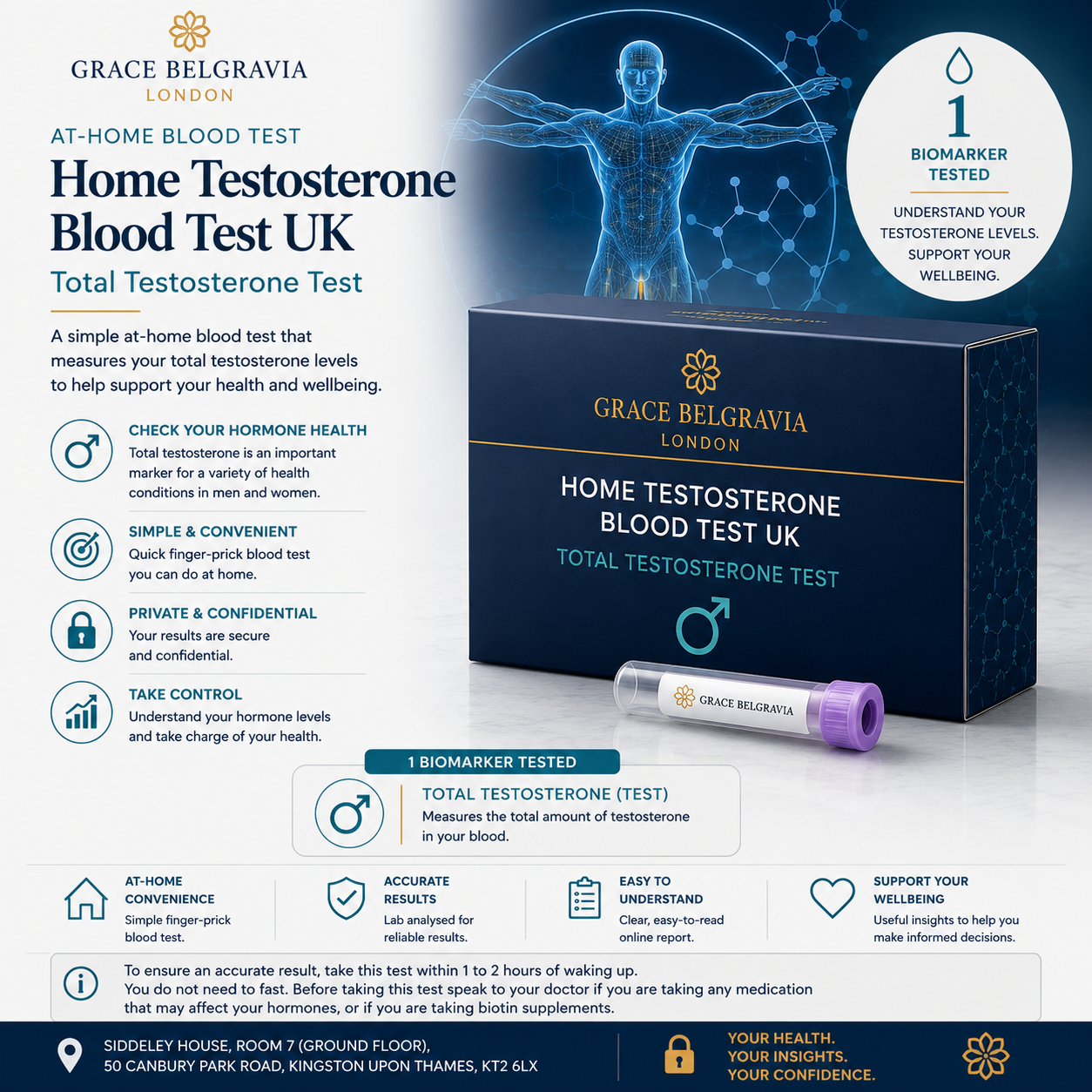
A focused home finger prick blood test measuring total testosterone through a UK laboratory pathway.
Total testosterone is commonly used as the first laboratory marker when assessing possible testosterone deficiency in men, androgen excess in women or selected treatment monitoring. The result must be considered with symptoms, collection timing, medicines and wider clinical context.
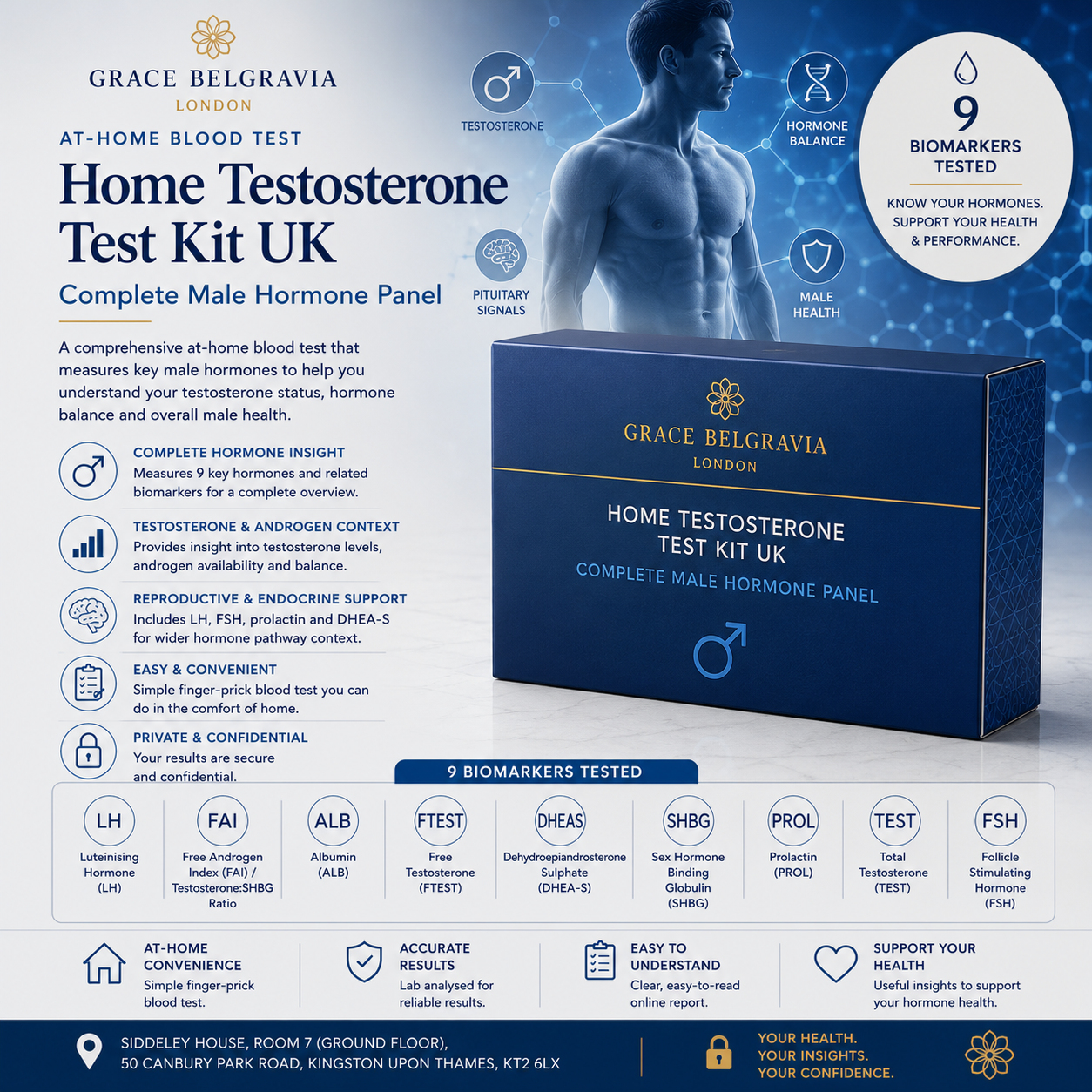
This test reports total testosterone only. It does not include free testosterone, SHBG, albumin, LH, FSH, prolactin, oestradiol, thyroid markers, PSA, a full blood count or semen analysis.
In men, diagnosis usually requires compatible symptoms and two separate low morning testosterone results. Treatment decisions also require investigation of the cause, fertility discussion, contraindication checks and ongoing monitoring.
Quality and compliance
Home testing supported by UK clinical standards
What a total testosterone test can and cannot show
| The test can provide | The test cannot establish by itself |
|---|---|
| A laboratory measurement of total circulating testosterone. | A diagnosis of male hypogonadism from one result. |
| A starting point where symptoms suggest possible low testosterone. | The concentration of free or biologically available testosterone. |
| Selected information when investigating androgen excess in women. | A diagnosis of PCOS, infertility, menopause or an ovarian or adrenal disorder. |
| One component of clinician directed treatment monitoring. | Whether testosterone replacement is appropriate or safe. |
Who may consider this test?
A total testosterone blood test may be considered in the context of:
- Reduced libido or fewer morning erections in men
- Erectile dysfunction, reduced strength or persistent tiredness
- An earlier low, borderline or unexpectedly high result
- Acne, hirsutism, scalp hair thinning or irregular cycles in women
- Monitoring requested by a GP, endocrinologist, urologist, gynaecologist or prescribing clinician
- Review of prescribed testosterone where collection timing has been specified
These symptoms are non specific. Sleep disorders, depression, medicines, obesity, diabetes, vascular disease, thyroid disorders and other conditions may cause similar symptoms.
Morning collection and repeat testing
| Testing point | Recommended approach |
|---|---|
| Collection time | For men, collect in the morning, ideally between 8 am and 11 am, because testosterone changes through the day. |
| Fasting | Follow the kit instructions. UK diagnostic pathways commonly use a fasting morning serum sample when confirming possible deficiency. |
| Health status | Test when physiologically well. Acute illness, poor sleep, major calorie restriction and overtraining may temporarily alter testosterone. |
| Repeat testing | A low or borderline result in a man should normally be repeated on a separate morning before diagnosis. |
| Venous confirmation | A clinician may request a venous serum sample when a capillary result is low, borderline, discordant or being used for a treatment decision. |
How the home testosterone test works
Prepare for collection
Review morning timing, fasting, medicines, supplements, illness and hormone gel instructions.
Collect and return
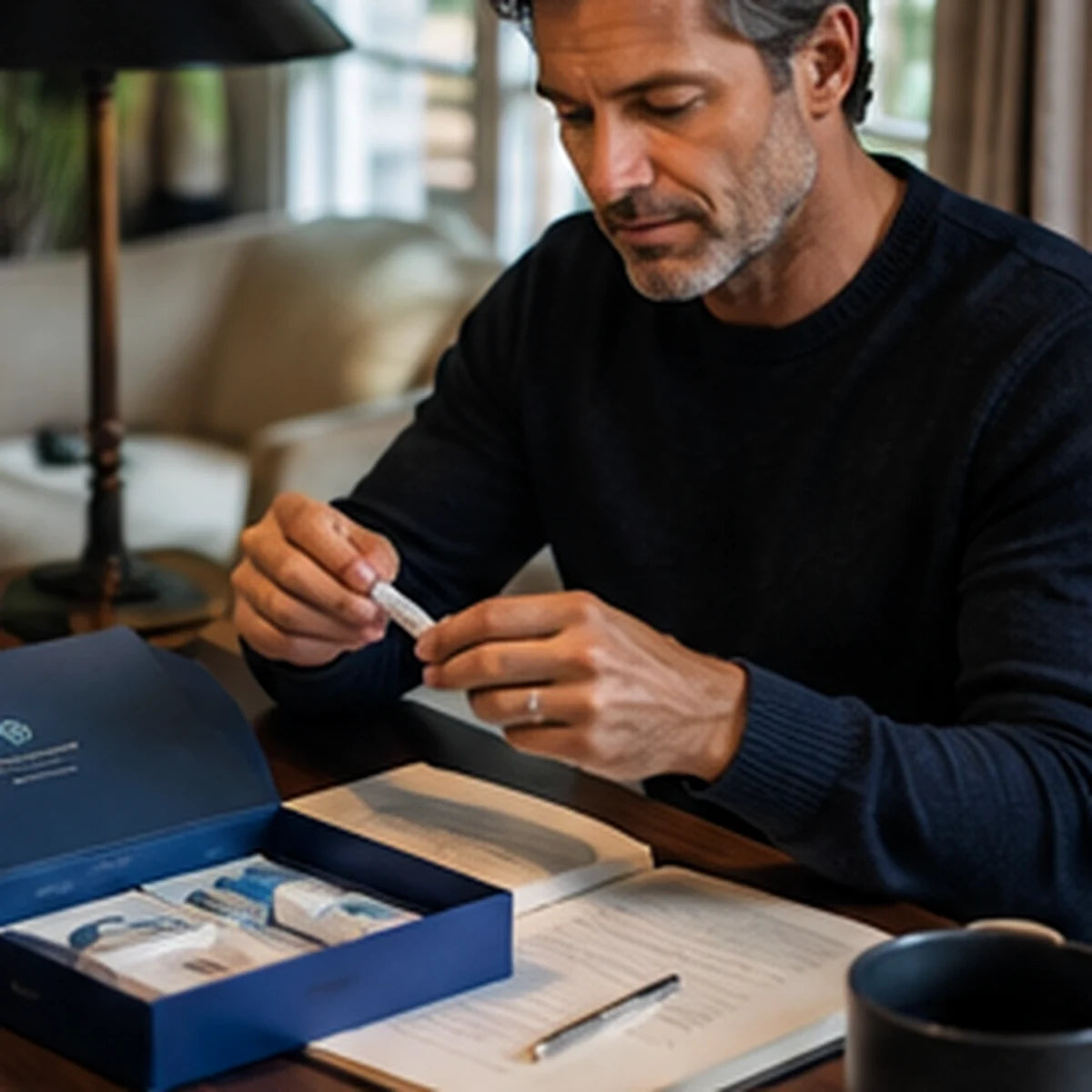
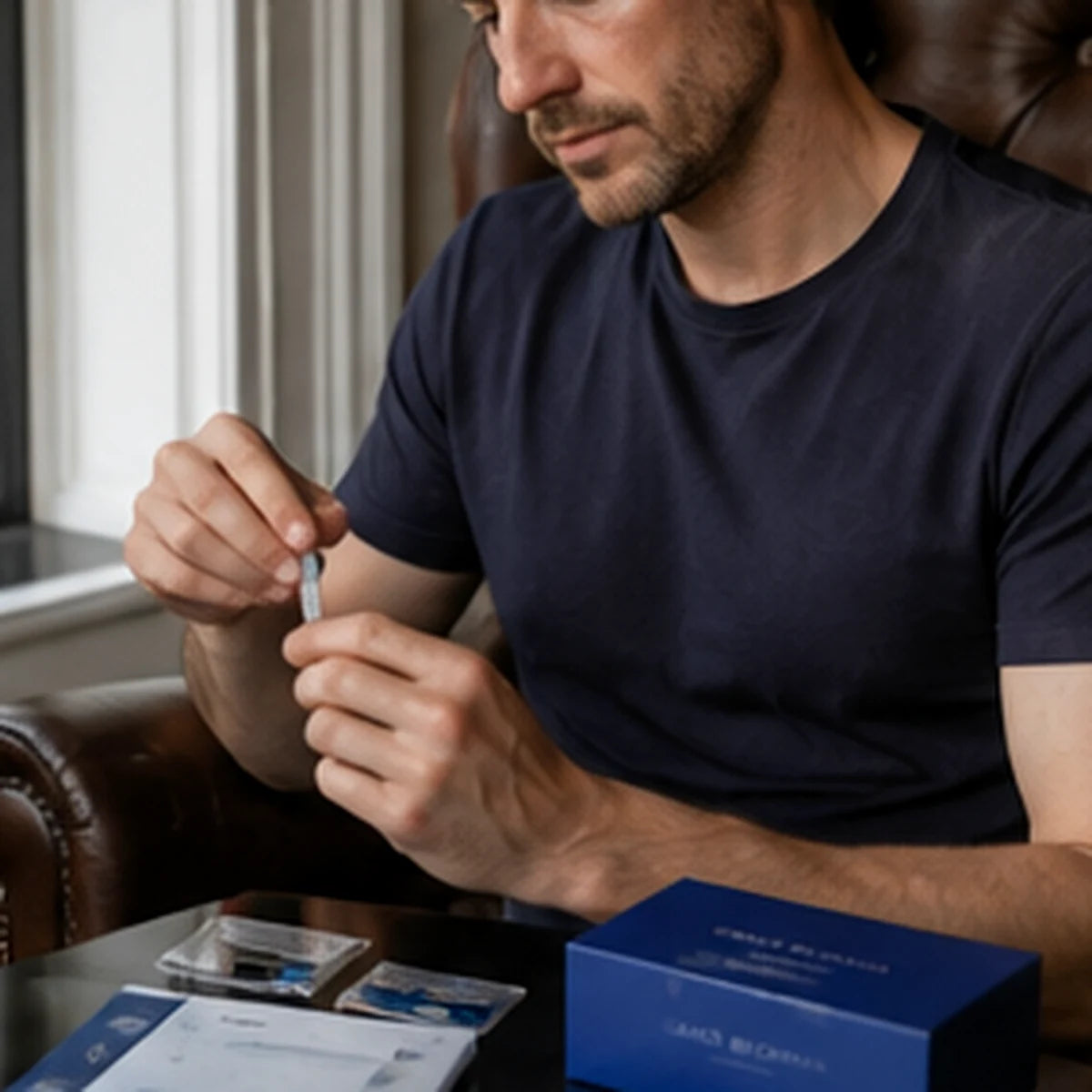
Collect capillary blood into the supplied microtainer and return it using the provided packaging.
Interpret responsibly
Review the result with symptoms, sex, age, collection time and medicine history.
Preparing for the test
| Preparation | What to do |
|---|---|
| Morning sample | For men, collect between 8 am and 11 am where possible and record the exact collection time. |
| Food and water | Follow the supplied fasting instructions. Plain water is normally allowed and may support capillary collection. |
| Medicines | Record opioids, glucocorticoids, anticonvulsants, antipsychotics, fertility medicines and other prescribed treatment. |
| Hormone products | Record testosterone, anabolic steroids, hormone boosters and any contact with hormone gels. Do not change prescribed treatment yourself. |
| Biotin | High dose biotin may interfere with some testosterone assays. Ask whether it should be paused. |
| Exercise and alcohol | Avoid unusually strenuous exercise and heavy alcohol intake before collection. |
| Recent illness | Delay non urgent testing until recovered where possible because illness can temporarily lower testosterone. |
| Sleep and shift work | Record significant sleep deprivation, night work or obstructive sleep apnoea because these may affect interpretation. |
Common result patterns
These examples support discussion and are not diagnoses.
| Pattern | Possible context | Possible next step |
|---|---|---|
| Low morning result in a symptomatic man | May support possible testosterone deficiency but may also reflect illness, sleep, weight, medicines or sample factors. | Repeat on a separate fasting morning and consider LH, FSH, prolactin, SHBG and albumin. |
| Low result without typical symptoms | May be transient or may not explain the person's concerns. | Repeat under controlled conditions and assess other possible causes. |
| Normal total testosterone with persistent symptoms | SHBG or free testosterone may alter interpretation, or symptoms may have another cause. | Consider wider clinical assessment rather than taking testosterone independently. |
| Unexpectedly high result | May reflect treatment, anabolic steroids, supplement exposure, gel contamination or assay factors. | Review all products and repeat according to clinical or laboratory advice. |
| Raised result in a woman with rapid symptoms | PCOS is common, but rapid virilisation can require investigation for less common ovarian or adrenal causes. | Arrange prompt GP or specialist assessment. |
Biomarker and result interpretation
Select total testosterone to read what it measures, preparation guidance and how low, normal, high or urgent clinical contexts may be considered.
Total testosterone
Total testosterone measures testosterone circulating in protein bound and unbound forms. It is the usual first laboratory test when testosterone deficiency is suspected in men and may also be used when investigating androgen excess or monitoring prescribed testosterone in women.
The result must be interpreted using the reporting laboratory's reference interval, the person's sex, age, symptoms, collection time, medicines and health status. A single result cannot diagnose hypogonadism, PCOS, infertility, menopause or another endocrine condition.
For men, collect in the morning, ideally between 8 am and 11 am. Follow the kit's fasting instructions and record illness, sleep disruption, shift work, prescribed testosterone, anabolic steroids, opioids, glucocorticoids, anticonvulsants, high dose biotin and contact with hormone gels.
This product does not measure SHBG or albumin. If total testosterone is borderline or symptoms do not match the result, a clinician may request a validated calculated free testosterone and wider hormone testing.
How to understand this result
| Result | What it may mean | What to do |
|---|---|---|
| Low | In men, a low result may occur with testicular, pituitary or hypothalamic conditions, acute illness, obesity, sleep disruption, major calorie restriction, medicines or anabolic steroid withdrawal. In women, a low result is often difficult to interpret in isolation. | Do not diagnose a hormone disorder from one result. Men generally require a repeat fasting morning result and clinical assessment. |
| Normal | The result falls within the reporting laboratory's interval. A normal total testosterone does not prove that symptoms are caused or excluded by testosterone because SHBG, free testosterone and other conditions may matter. | Discuss persistent symptoms with a GP or clinician even when the result is within range. |
| High | In men, common explanations include prescribed testosterone, anabolic steroids, supplement exposure, gel contamination or collection factors. In women, possible contexts include PCOS, medicines and less common ovarian or adrenal causes. | Discuss an unexpected result and all hormone products with a clinician. Rapidly progressing androgen symptoms in women need prompt assessment. |
| Urgent clinical context | The numerical result itself rarely defines an emergency, but severe associated symptoms may indicate a condition that should not wait for routine testing. | Seek urgent help for sudden severe testicular pain, a testicular lump, severe headache with visual changes, collapse or another rapidly worsening symptom. |
What is not included
| Not included | Why it may matter |
|---|---|
| SHBG, albumin and free testosterone | May help when total testosterone is borderline or does not match symptoms. |
| LH and FSH | May help distinguish a testicular cause from pituitary or hypothalamic suppression. |
| Prolactin and thyroid markers | Can identify alternative or contributing endocrine causes. |
| Full blood count and haematocrit | Important when testosterone treatment is being considered or monitored. |
| PSA | Prostate assessment may be required before or during testosterone treatment depending on age and clinical context. |
| Semen analysis | Required to assess sperm concentration, movement and shape. |
Evidence and content standards
How this product information was prepared
This page was prepared from the supplied one marker Testosterone Test specification and checked against current UK guidance on morning collection, fasting confirmation, repeat testing, assay interference, female androgen assessment and treatment limitations.
Clinical accountability
Medical accuracy, androgen context and governance review
The review roles are separated across general medical accuracy, female androgen and skin context, and clinical governance. The reviewers are not presented as consultant endocrinologists, urologists or fertility specialists.
Dr Snieguole Geige
Dentist, Medical Doctor and Senior Adviser
Reviewed general medical accuracy, symptom boundaries, repeat testing, medicine disclosure and the distinction between a laboratory result and a diagnosis.
View professional profileDr Giedre Narkiene
Medical Doctor and Board Certified Dermatologist
Reviewed acne, hirsutism, scalp hair change, PCOS limitations and the need for prompt assessment where virilisation progresses rapidly.
View professional profileDr Laura Geige
Medical Director, Senior Practitioner and Skin Expert
Reviewed urgent symptom guidance, treatment and fertility cautions, laboratory pathway wording and the clarity of patient facing information.
View professional profileAuthoritative references
UK testosterone testing information
View NICE, NHS, UKAS and CQC sources
- NICE fasting morning testosterone and repeat testing guidance
- NHS biochemical investigation of suspected endocrine problems in men
- NHS testosterone sample and clinical information
- NHS SHBG and female androgen assessment
- NHS information on non specific low testosterone symptoms
- UKAS medical laboratory accreditation
- CQC diagnostic and screening services guidance
Search led questions
Home testosterone blood test FAQs
Can I take a testosterone blood test at home?
Yes. This kit uses capillary blood collected at home and returned to a laboratory. A home result can provide a useful first measurement, but it does not replace clinical assessment or confirm a hormone disorder by itself.
What does this testosterone test measure?
It measures total testosterone, which includes testosterone bound to proteins and the small unbound fraction. It does not separately report free testosterone, SHBG, albumin, LH, FSH or prolactin.
What is the best time to take a testosterone blood test?
For men, collect the sample in the morning, ideally between 8 am and 11 am. Testosterone follows a daily rhythm and is generally higher earlier in the day.
Should I take the test within one or two hours of waking?
Morning collection is more important than a rigid interval after waking. People who work night shifts or have unusual sleep patterns should record their sleep and collection time and discuss interpretation with a clinician.
Do I need to fast for a testosterone test?
Follow the kit instructions. UK diagnostic pathways commonly use a fasting morning serum sample when investigating possible testosterone deficiency. A low home result may therefore need confirmation with a fasting venous sample.
Can one low testosterone result diagnose low testosterone?
No. In men, diagnosis requires compatible symptoms and usually two separate low morning results, together with assessment of the cause and the wider clinical context.
What symptoms can be associated with low testosterone in men?
Possible symptoms include reduced libido, fewer morning erections, erectile dysfunction, reduced strength, low mood and tiredness. These symptoms are non specific and may arise from sleep, medicines, obesity, diabetes, depression, vascular disease or other causes.
What can cause a low testosterone result?
Possible causes include acute illness, sleep disruption, obesity, significant calorie restriction, pituitary or testicular conditions, opioids, glucocorticoids, anabolic steroid withdrawal and other medicines. A repeat result and further tests may be required.
What can cause a high testosterone result in men?
A high result may reflect prescribed testosterone, anabolic steroids, supplement contamination, gel transfer, incorrect sampling time or less common endocrine conditions. An unexpected result should be reviewed clinically.
Can testosterone gel contaminate the sample?
Yes. Testosterone gel on the hands or near the collection area can cause a falsely high result. Wash hands carefully and follow the laboratory instructions about application and sample timing.
Can biotin affect testosterone test results?
High dose biotin, which is vitamin B7, can interfere with some laboratory hormone assays. Ask the testing service or a clinician whether it should be paused before collection.
Can anabolic steroids affect the result?
Yes. Testosterone products and anabolic steroids can raise measured testosterone while suppressing the body's own hormone signalling. Declare prescribed and non prescribed hormone products.
Does this test measure free testosterone?
No. It reports total testosterone only. When total testosterone is borderline or symptoms do not match the result, a clinician may request SHBG, albumin and a validated calculated free testosterone.
What tests may be needed after a low result?
A clinician may repeat total testosterone on a separate fasting morning and request LH, FSH, prolactin, SHBG, albumin, thyroid tests, ferritin or other investigations to identify a possible cause.
Can this test assess male fertility?
No. Testosterone is only one part of reproductive hormone assessment. The principal fertility test is a semen analysis, and LH, FSH and other investigations may also be required.
Can testosterone treatment reduce fertility?
Yes. Testosterone replacement can suppress LH and FSH and reduce sperm production. Fertility intentions should be discussed before treatment is started or changed.
Can women use a total testosterone test?
Yes. Total testosterone may be measured when investigating androgen excess or monitoring prescribed testosterone, but interpretation differs from male testing and usually requires symptoms, SHBG and other hormone information.
Can this test diagnose PCOS?
No. A testosterone result can contribute to the assessment of biochemical androgen excess, but PCOS requires broader clinical assessment and exclusion of other causes.
Can a testosterone blood test diagnose menopause?
No. Menopause is not diagnosed from total testosterone. In women using testosterone for menopausal symptoms, blood testing is generally used to avoid excessive levels rather than to prove treatment is needed.
Can I use this test to monitor testosterone replacement therapy?
It may provide selected monitoring information, but treatment decisions depend on the product used, dose timing, symptoms and additional safety tests. Follow the prescribing clinician's requested collection method and timing.
Is a finger prick testosterone test the same as a venous test?
Both can measure testosterone, but sample type, collection quality and laboratory method may affect comparability. A low, borderline or treatment changing capillary result may require confirmation with a venous serum sample.
When should symptoms be treated as urgent?
Seek urgent medical help for sudden severe testicular pain, a new testicular lump, severe headache with visual changes, collapse, severe breathlessness or another rapidly worsening symptom.
Are the laboratories UKAS accredited and CQC registered?
Samples are processed through UKAS accredited laboratories within a CQC registered diagnostic pathway. Collection equipment is UKCA and CE marked and supported by an ISO 13485 quality management framework.