








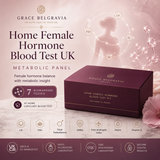

At home female hormone and metabolic blood test
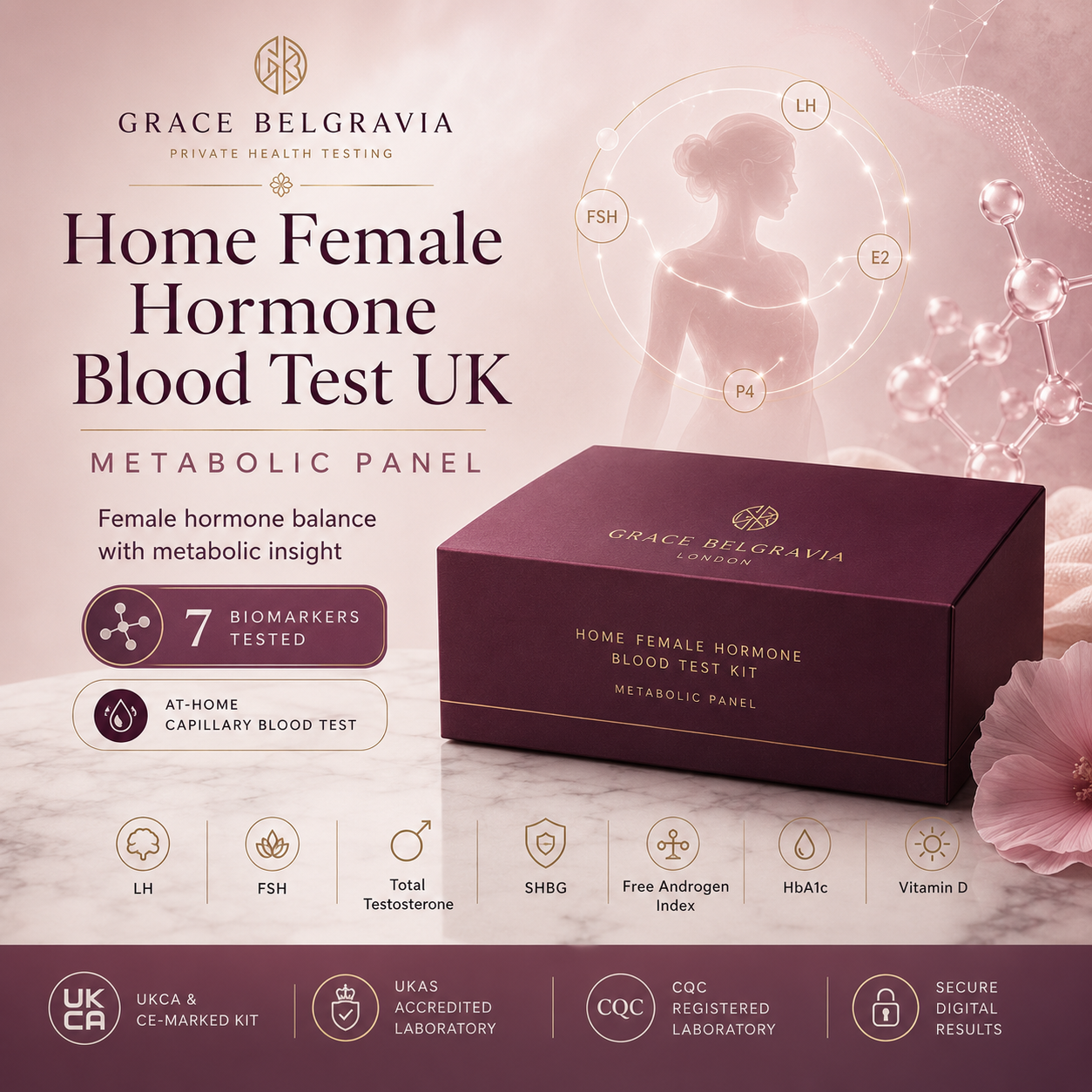
Home Female Hormone Blood Test UK | Metabolic Panel
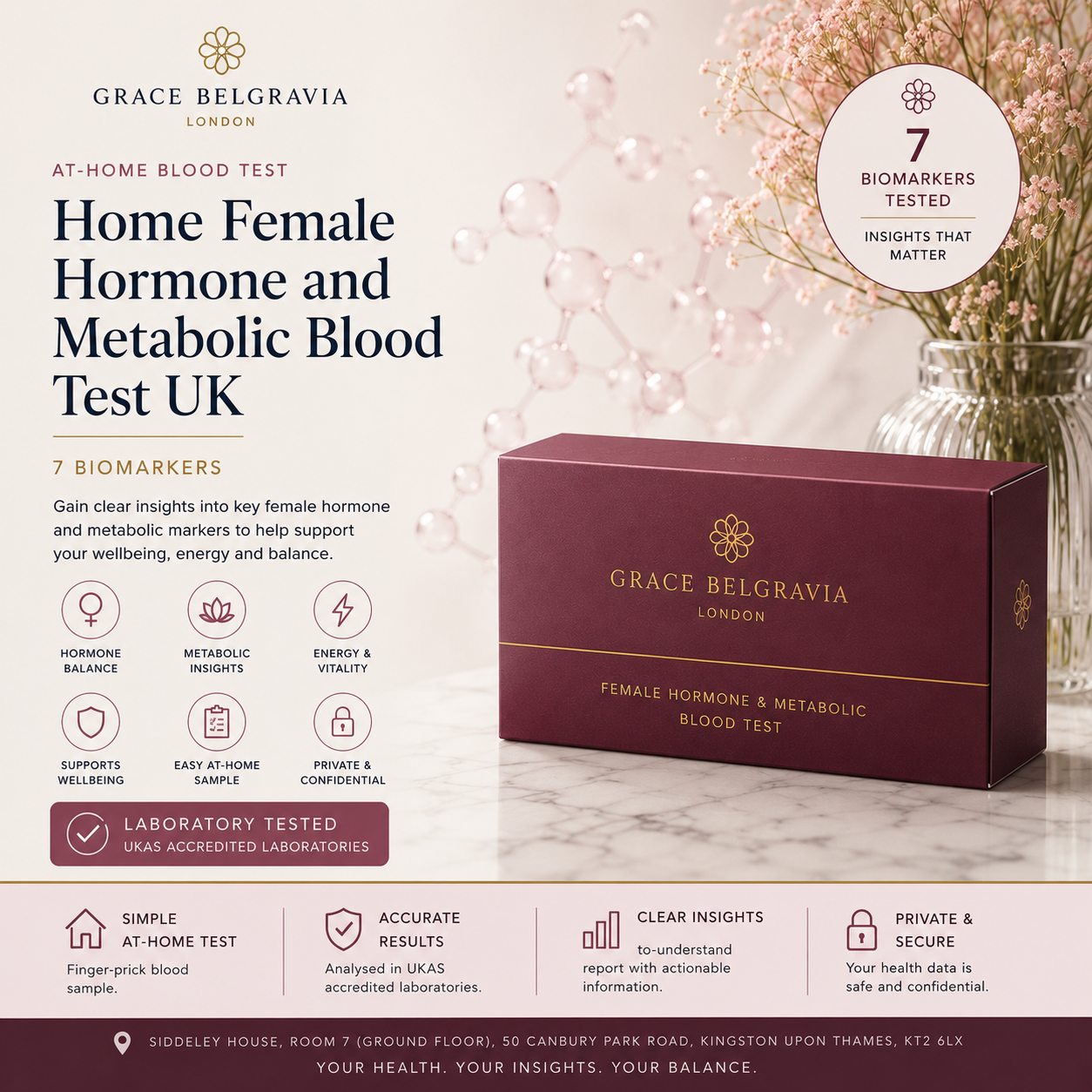
A seven marker home blood test combining female reproductive hormone context with HbA1c and vitamin D.
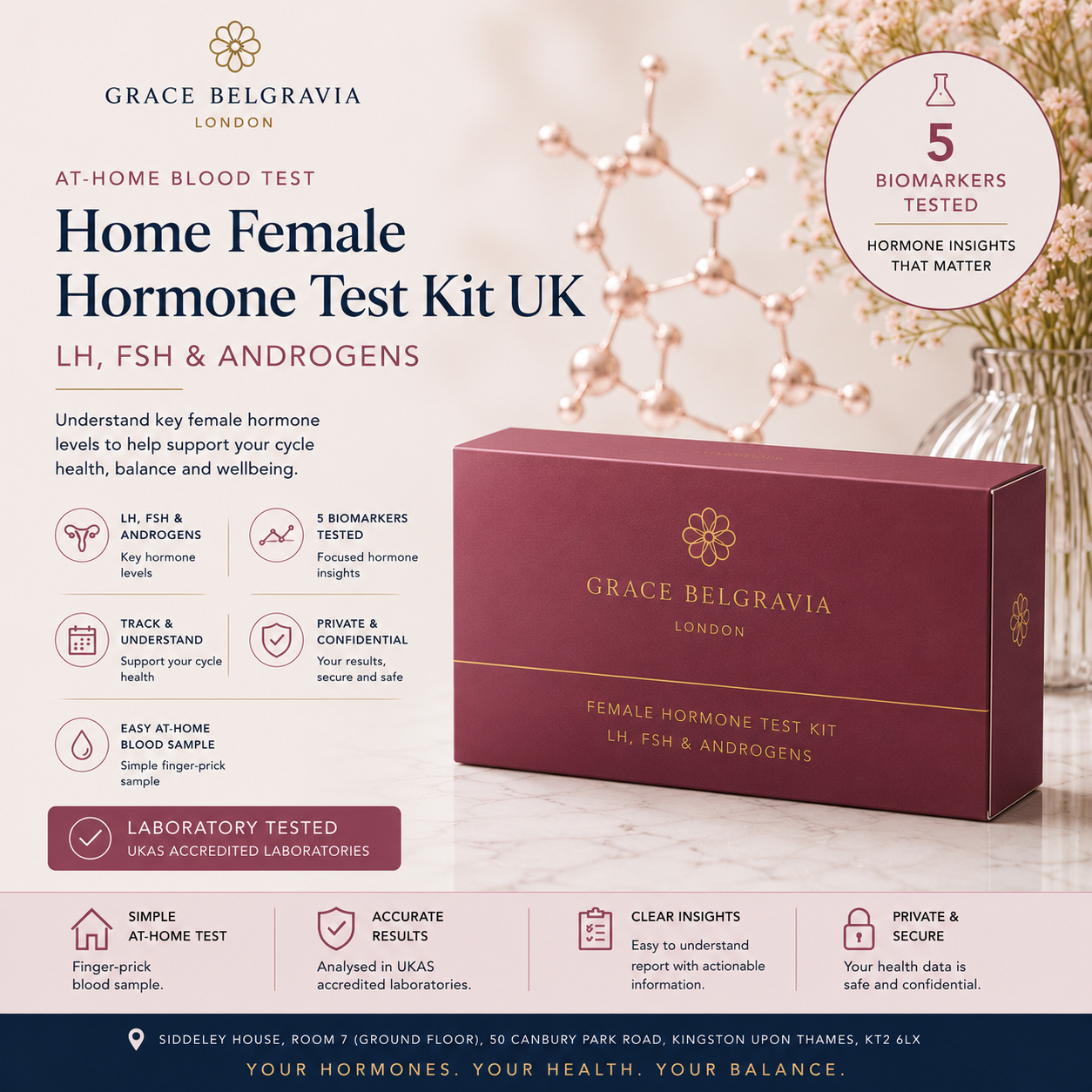
The panel reports LH, FSH, total testosterone, SHBG, free androgen index, HbA1c and vitamin D. Cycle timing and hormone treatment can substantially affect interpretation, so the collection date, cycle day and medicines should be recorded.
This test cannot by itself diagnose or exclude PCOS, infertility, menopause, ovarian insufficiency, diabetes or another endocrine condition. It does not include oestradiol, progesterone, prolactin, thyroid markers, AMH, DHEAS, lipids or pelvic imaging.
Seek urgent help for severe pelvic pain, heavy bleeding with dizziness or fainting, possible pregnancy with pain or bleeding, rapidly progressive voice change or virilisation, severe headache with visual changes, or acute symptoms of very high blood glucose.
Quality and compliance
Home testing supported by UK clinical standards
What this female hormone and metabolic panel measures
| Health area | Biomarkers | What they may help show |
|---|---|---|
| Pituitary and ovarian signalling | LH and FSH | Cycle stage, ovulatory hormone patterns and possible ovarian or hypothalamic context. |
| Androgen context | Total testosterone, SHBG and FAI | Biochemical androgen availability relevant to symptoms such as acne, hirsutism or irregular cycles. |
| Longer term glucose | HbA1c | Average glucose over approximately two to three months and risk of prediabetes or diabetes. |
| Vitamin status | 25 hydroxyvitamin D | Vitamin D status relevant to bone and muscle health. |
Who may consider this test?
This panel may be considered by adults seeking selected hormone and metabolic information in the context of:
- Irregular, absent or changing menstrual cycles
- Acne, unwanted facial or body hair, or scalp hair thinning
- Possible PCOS symptoms alongside clinical assessment
- Fertility questions requiring an initial hormone discussion
- Possible perimenopause or early menopause symptoms
- A previous high risk glucose or vitamin D result
- Monitoring requested by a GP, gynaecologist, endocrinologist or fertility service
Tiredness, weight change, low mood and skin changes are non specific and may have causes not measured by this panel.
Cycle timing and hormone treatment
| Situation | How to approach testing |
|---|---|
| Regular menstrual cycles | Record the cycle day. For baseline LH and FSH, cycle days 2 to 5 are generally preferred. |
| Irregular or absent periods | Testing can be completed on a convenient day, but record the last menstrual period and cycle pattern. |
| Hormonal contraception | Results may reflect the medicine rather than the natural cycle. Do not stop contraception without advice. |
| HRT or testosterone treatment | Record the product, dose, route and timing because treatment can alter testosterone, SHBG, LH and FSH. |
| Possible pregnancy | Take an appropriate pregnancy test and seek clinical advice where pregnancy is possible, particularly with pain or bleeding. |
| Postmenopause | Use postmenopausal reference intervals and interpret the result with age, symptoms and HRT status. |
How the home female hormone test works
Record cycle and medicines
Note cycle day, last menstrual period, symptoms, contraception, HRT, supplements and relevant medical history.
Collect and return
Collect capillary blood into the supplied microtainer and return it using the provided packaging.
Review the complete pattern
Interpret hormone, HbA1c and vitamin D results with cycle stage, symptoms and clinical context.
Preparing for the test
| Preparation | What to do |
|---|---|
| Fasting | Fasting is not generally required for this panel. Follow any instructions supplied with the kit. |
| Cycle information | Record the first day of the last period, cycle day, usual cycle length and whether periods are regular. |
| Pregnancy and menopause | Record possible pregnancy, recent birth, breastfeeding, perimenopause or postmenopause. |
| Hormone medicines | Record contraception, HRT, fertility medicines, testosterone and anti androgen treatment. Do not stop prescribed products yourself. |
| Biotin | High dose biotin can interfere with some hormone and vitamin D assays. Ask whether it should be paused. |
| Glucose limitations | Declare anaemia, haemoglobin variants, blood loss, transfusion, pregnancy and medicines such as steroids. |
| Vitamin supplements | Record vitamin D, calcium and multivitamin products, including any recent loading dose. |
| Rapid symptom changes | Seek clinical assessment rather than waiting for routine results where pain, bleeding or virilisation is severe or rapidly progressing. |
Common result patterns
These simplified examples support discussion and are not diagnoses.
| Pattern | Possible context | Important limitation |
|---|---|---|
| Higher FAI with low SHBG | May support biochemical androgen excess and may be seen with PCOS or insulin resistance. | PCOS diagnosis also requires clinical history and exclusion of other causes. |
| Higher LH relative to FSH | May occur in some people with PCOS or around ovulation. | The ratio may be normal in PCOS and is not diagnostic. |
| High FSH outside the ovulatory surge | May occur with menopause or ovarian insufficiency depending on age and cycle stage. | One result does not establish menopause or premature ovarian insufficiency. |
| HbA1c 42 to 47 mmol/mol | Indicates increased risk of type 2 diabetes. | Pregnancy and red blood cell conditions may require another test. |
| Low vitamin D | May reflect limited sunlight exposure, diet, darker skin, malabsorption or other risk factors. | Symptoms are non specific and treatment depends on the level and clinical context. |
Biomarkers and result interpretation
Select each marker to read what it measures, preparation guidance and how low, normal, high, undefined or urgent results may be considered.
Luteinising hormone
Luteinising hormone, known as LH, is released by the pituitary gland. It helps regulate the menstrual cycle and triggers ovulation through a mid cycle surge.
The result depends strongly on cycle stage. LH can also change with pregnancy, menopause, hypothalamic suppression, ovarian insufficiency, PCOS, hormone treatment and pituitary conditions.
LH and the LH to FSH ratio are not required for PCOS diagnosis and may be normal in people who have PCOS.
Record the first day of your last menstrual period, the cycle day, whether cycles are regular, pregnancy possibility, menopause status and all contraception, HRT or fertility medicines. For a baseline LH and FSH comparison, cycle days 2 to 5 are generally preferred.
How to understand this result
| Result | What it may mean | What to do |
|---|---|---|
| Low | May occur in the early follicular phase, pregnancy, hypothalamic suppression, pituitary disease or during hormone treatment. | Interpret it with cycle stage, FSH, symptoms, medicines and pregnancy context. |
| Normal | Falls within the reference interval for the recorded cycle stage or menopause status. | A normal LH does not exclude PCOS, ovulatory problems or another endocrine condition. |
| High | May represent the normal ovulatory surge, menopause, primary ovarian insufficiency or a pattern sometimes seen in PCOS. | Review the cycle day and the wider hormone pattern. Repeat baseline testing may be needed. |
Free androgen index
Free androgen index, known as FAI, is calculated as total testosterone divided by SHBG and multiplied by 100. In women it is used as a marker of biochemical androgen availability.
A high result may arise because testosterone is raised, SHBG is low or both. It can support investigation of acne, hirsutism or irregular periods but does not diagnose PCOS or an androgen producing condition by itself.
Record the cycle day, oral contraception, HRT, testosterone products, anabolic steroids, anti androgen medicines, anticonvulsants and high dose biotin. Morning collection provides a more consistent comparison. Do not stop prescribed treatment yourself.
How to understand this result
| Result | What it may mean | What to do |
|---|---|---|
| Low | May reflect lower testosterone, higher SHBG, oestrogen treatment, pregnancy or other factors. | Interpret it with symptoms, medicines, cycle context and the individual testosterone and SHBG results. |
| Normal | Falls within the laboratory interval. | A normal result does not exclude PCOS where clinical signs or irregular ovulation are present. |
| Undefined | The calculation was not reliable because testosterone or SHBG was outside the analytical range or another technical limitation applied. | Follow the laboratory advice and discuss repeat or alternative testing. |
| High | May reflect biochemical androgen excess associated with PCOS, medicines, low SHBG, insulin resistance or less common ovarian or adrenal conditions. | Seek clinical review, particularly with rapid hair growth, voice change, scalp hair loss or other virilisation. |
HbA1c
Haemoglobin A1c, known as HbA1c, reflects average blood glucose over approximately the previous two to three months.
It provides metabolic context because insulin resistance and type 2 diabetes risk may be increased in some people with PCOS. HbA1c does not show current glucose and may be unreliable in pregnancy or conditions affecting red blood cells.
Fasting is not required. Record pregnancy, recent birth, anaemia, haemoglobin variants, blood loss, transfusion, steroids and diabetes medicines.
How to understand this result
| Result | What it may mean | What to do |
|---|---|---|
| Low | May reflect low average glucose or shortened red blood cell survival caused by blood loss, haemolysis, transfusion or another condition. | Discuss an unexpected low result with a clinician. |
| Below high risk range | Below 42 mmol/mol is generally below the UK prediabetes range for someone without diagnosed diabetes. | Symptoms or very high clinical risk may still require glucose testing. |
| High risk range | An HbA1c of 42 to 47 mmol/mol indicates non diabetic hyperglycaemia, often called prediabetes. | Arrange GP review for risk assessment, support and monitoring. |
| Diabetes range | An HbA1c of 48 mmol/mol or above is within the diagnostic range when HbA1c is suitable for diagnosis. | Seek prompt clinical review. An asymptomatic person usually needs confirmation with a second test. |
| Urgent clinical context | A very high result suggests sustained hyperglycaemia but cannot show current glucose or ketones. | Seek urgent help for vomiting, abdominal pain, deep breathing, dehydration, confusion or drowsiness. |
Vitamin D (25 hydroxyvitamin D)
25 hydroxyvitamin D is the standard blood marker used to assess vitamin D status. Vitamin D supports calcium regulation, bones and muscle function.
Low levels are common in the UK, but routine testing is not recommended for everyone. The result should be interpreted with symptoms, risk factors, supplements, calcium and relevant medical history.
Record vitamin D and calcium supplements, high dose loading courses, kidney disease, stones, sarcoidosis, parathyroid disease and pregnancy.
How to understand this result
| Result | What it may mean | What to do |
|---|---|---|
| Deficient | Below 25 nmol/L is classified as deficient in many UK pathways. | Discuss treatment, possible causes and whether calcium or other investigations are needed. |
| Insufficient | 25 to 50 nmol/L may be insufficient for some people, particularly where risk factors or symptoms are present. | Review diet, safe sunlight exposure and supplementation with a clinician or pharmacist. |
| Adequate | Above 50 nmol/L is sufficient for most adults according to many UK pathways. | Avoid assuming that ever higher levels provide additional benefit. |
| High | A high result is commonly related to supplementation and may require review of dose and calcium status. | Stop non prescribed high dose products and seek clinical advice. |
| Consider toxicity | Very high vitamin D can cause hypercalcaemia, leading to thirst, frequent urination, vomiting, constipation, weakness or confusion. | Arrange prompt medical assessment. |
Sex hormone binding globulin
Sex hormone binding globulin, known as SHBG, is produced mainly by the liver and binds testosterone and oestradiol in the circulation.
SHBG affects how total testosterone relates to biologically available androgen. Hormonal contraception, pregnancy, thyroid status, liver health, body weight, insulin resistance and medicines can alter the result.
Record the cycle day, oral contraception, HRT, testosterone products, anabolic steroids, anti androgen medicines, anticonvulsants and high dose biotin. Morning collection provides a more consistent comparison. Do not stop prescribed treatment yourself.
How to understand this result
| Result | What it may mean | What to do |
|---|---|---|
| Low | May occur with insulin resistance, obesity, hypothyroidism, PCOS, androgen exposure or some liver and medicine factors. | Interpret testosterone and FAI in the wider metabolic and clinical context. |
| Normal | Falls within the laboratory interval. | Use it with total testosterone and symptoms rather than as an isolated health marker. |
| High | May occur with pregnancy, oral oestrogen, combined contraception, hyperthyroidism, liver disease, low body weight or some anticonvulsants. | Review medicines, thyroid and liver context with a clinician. |
Total testosterone
Total testosterone measures testosterone circulating in protein bound and unbound forms. In women it is used when investigating clinical androgen excess such as hirsutism, acne, scalp hair loss or irregular cycles.
A normal result does not exclude PCOS, and a raised result does not establish the cause. Marked elevation or rapidly progressive virilisation requires prompt investigation for less common ovarian or adrenal causes.
Record the cycle day, oral contraception, HRT, testosterone products, anabolic steroids, anti androgen medicines, anticonvulsants and high dose biotin. Morning collection provides a more consistent comparison. Do not stop prescribed treatment yourself.
How to understand this result
| Result | What it may mean | What to do |
|---|---|---|
| Low | May occur with ovarian or adrenal factors, oestrogen treatment, illness, low body weight or assay variation. | Interpret it with symptoms, SHBG, FAI and treatment context. |
| Normal | Falls within the laboratory interval. | A normal result does not exclude PCOS or another cause of symptoms. |
| High | May occur with PCOS, medicines, testosterone exposure, congenital adrenal conditions or less common ovarian or adrenal tumours. | Discuss the result with a GP. Prompt endocrine assessment is important when symptoms progress rapidly. |
Follicle stimulating hormone
Follicle stimulating hormone, known as FSH, is released by the pituitary gland and supports follicle development in the ovaries.
The level changes with cycle stage and rises after menopause. It may help investigate absent periods or possible ovarian insufficiency, but one result does not measure overall fertility or egg quality.
FSH is not a direct egg count. Menopause is usually diagnosed clinically in people over 45 with typical symptoms, while suspected premature ovarian insufficiency requires appropriate repeat testing and review.
Record the first day of your last menstrual period, the cycle day, whether cycles are regular, pregnancy possibility, menopause status and all contraception, HRT or fertility medicines. For a baseline LH and FSH comparison, cycle days 2 to 5 are generally preferred.
How to understand this result
| Result | What it may mean | What to do |
|---|---|---|
| Low | May occur in the early cycle, pregnancy, hypothalamic suppression, pituitary disease or during hormone treatment. | Interpret it with LH, cycle history, weight change, exercise, stress and medicines. |
| Normal | Falls within the reference interval for the recorded cycle stage. | A normal FSH does not guarantee normal ovulation, ovarian reserve or fertility. |
| High | May occur around menopause or with primary ovarian insufficiency, depending on age and cycle stage. | A repeat result and additional assessment may be required, particularly in people under 45. |
What this panel does not include
| Not included | Why it may matter |
|---|---|
| Oestradiol and progesterone | May be required for cycle stage, ovarian function or ovulation assessment. |
| Prolactin and thyroid tests | Important alternative causes of absent or irregular periods and fertility symptoms. |
| AMH | Provides selected ovarian reserve context but does not measure egg quality or guarantee fertility. |
| DHEAS, androstenedione and 17 hydroxyprogesterone | May be requested where testosterone is markedly raised or symptoms progress rapidly. |
| Lipids or fasting glucose | May be required for a broader cardiometabolic assessment in PCOS. |
| Pelvic ultrasound | May form part of PCOS, pelvic pain or fertility assessment where clinically appropriate. |
Evidence and content standards
How this product information was prepared
This page was prepared from the supplied seven marker Hormone Balance and Metabolic specification and checked against current UK guidance on female hormone testing, cycle timing, PCOS limitations, HbA1c diagnosis and vitamin D interpretation.
Clinical accountability
Hormone, metabolic and quality review
The review roles are separated across female hormone and skin manifestations, metabolic evidence, and laboratory governance. The reviewers are not presented as consultant endocrinologists, gynaecologists or fertility specialists.
Dr Giedre Narkiene
Medical Doctor and Board Certified Dermatologist
Reviewed androgen related acne, hirsutism and hair change context, rapid virilisation warnings, patient communication and the limits of hormone testing.
View professional profileDr Rimas Geiga
Medical Doctor, Nutritional Sciences Adviser and Healthy Ageing Expert
Reviewed HbA1c, insulin resistance and vitamin D context, responsible lifestyle information and the separation of metabolic risk from diagnosis.
View professional profileVeronika Matutyte
Medical Doctor and Healthcare Management Expert
Reviewed cycle recording, laboratory pathway wording, pregnancy and urgent symptom safeguards, diagnostic boundaries and appropriate clinical escalation.
View professional profileAuthoritative references
UK female hormone, PCOS and metabolic information
View NHS and NICE sources
- NHS PCOS diagnostic features and investigation context
- NHS Scotland PCOS hormone test limitations
- NHS LH and FSH cycle and PCOS interpretation
- NHS SHBG interpretation
- NICE type 2 diabetes prevention and HbA1c high risk range
- NICE adult diabetes diagnosis and HbA1c limitations
- South West London NHS vitamin D guidance
- UKAS medical laboratory accreditation
- CQC diagnostic and screening services guidance
Search led questions
Home female hormone and metabolic test FAQs
Can I take a female hormone blood test at home?
Yes. This kit uses a capillary blood sample collected at home and returned for laboratory analysis. It provides selected hormone and metabolic information rather than an instant diagnosis.
What does this female hormone test check?
The panel reports LH, FSH, total testosterone, SHBG, free androgen index, HbA1c and vitamin D. It does not include oestradiol, progesterone, prolactin, thyroid hormones, AMH or a pelvic ultrasound.
What day of my cycle should I take a hormone blood test?
Record the cycle day whenever you test. If the main aim is to assess baseline LH and FSH, collection during cycle days 2 to 5 is generally preferred. Day 1 is the first day of full menstrual bleeding.
Can I take the test outside cycle days 2 to 5?
Yes. Results can still be reported using the relevant cycle stage, provided the cycle day and last menstrual period are recorded. Repeat early follicular testing may be recommended if a baseline comparison is needed.
Is LH highest on day 3 of the menstrual cycle?
No. Day 2 to 5 testing is used to obtain an early follicular baseline. LH normally rises sharply around ovulation rather than being expected to peak on day 3.
Can this blood test diagnose PCOS?
No. PCOS is diagnosed from clinical history and examination, evidence of irregular or absent ovulation, clinical or biochemical androgen excess, and ovarian imaging where required, after other causes have been excluded.
Does a high LH to FSH ratio mean I have PCOS?
No. LH or the LH to FSH ratio can be raised in some people with PCOS but may also be normal. The ratio is not required for diagnosis and should not be used alone.
What is free androgen index?
Free androgen index is calculated as total testosterone divided by SHBG and multiplied by 100. In women it can provide context on biochemical androgen excess, particularly when SHBG changes the interpretation of total testosterone.
What can cause a high free androgen index in women?
A high FAI may reflect higher testosterone, lower SHBG or both. Possible contexts include PCOS, medicines, insulin resistance and less common ovarian or adrenal causes. Rapidly progressing symptoms require medical assessment.
What do LH and FSH show in women?
LH and FSH are pituitary hormones involved in follicle development, ovulation and ovarian hormone production. Interpretation depends on age, cycle stage, pregnancy, menopause status and hormone treatment.
Can FSH diagnose menopause?
In people aged over 45 with typical symptoms, menopause is usually diagnosed clinically rather than from one blood test. FSH may be useful in selected younger people or where the diagnosis is uncertain.
Can this test assess fertility?
It provides selected hormone context but cannot measure ovarian reserve, confirm ovulation, assess the fallopian tubes or determine overall fertility. AMH, progesterone, ultrasound and partner testing may be required.
Can I test while taking the contraceptive pill?
You can collect a sample, but hormonal contraception can alter LH, FSH, SHBG and testosterone and may prevent meaningful comparison with a natural cycle. Do not stop contraception without medical advice.
Can HRT affect the results?
Yes. Oestrogen, progestogen and testosterone treatment can alter reproductive hormone and SHBG results. Record the product, route, dose and timing and do not stop prescribed HRT without advice.
Do I need to fast for this test?
Fasting is not generally required for HbA1c, vitamin D, LH, FSH, testosterone or SHBG. Follow the kit instructions, and use a consistent morning collection where practical.
What does HbA1c measure?
HbA1c reflects average blood glucose over approximately two to three months. It does not show the glucose level at the exact moment of collection.
What HbA1c result indicates prediabetes or diabetes?
In the UK, 42 to 47 mmol/mol indicates high risk or prediabetes, while 48 mmol/mol or above is in the diabetes diagnostic range. An asymptomatic person usually needs a second qualifying test before diagnosis.
Can pregnancy or anaemia affect HbA1c?
Yes. Pregnancy, recent birth, anaemia, haemoglobin variants, major blood loss or transfusion can make HbA1c unsuitable or misleading. A clinician may use glucose based tests instead.
What vitamin D level is considered deficient in the UK?
Many UK pathways use below 25 nmol/L as deficient, 25 to 50 nmol/L as insufficient for some people, and above 50 nmol/L as sufficient for most adults.
Can vitamin D levels be too high?
Yes. Very high vitamin D is most often associated with excessive supplementation and can lead to high calcium. Do not take high dose vitamin D solely from a home result without clinical advice.
What symptoms need urgent medical assessment?
Seek urgent help for severe pelvic pain, heavy bleeding with dizziness or fainting, possible pregnancy with pain or bleeding, rapidly progressing virilisation, severe headache with visual changes, or acute diabetes symptoms.
Are the laboratories UKAS accredited and CQC registered?
Samples are processed through UKAS accredited laboratories within a CQC registered diagnostic pathway. Collection equipment is UKCA and CE marked and supported by an ISO 13485 quality management framework.