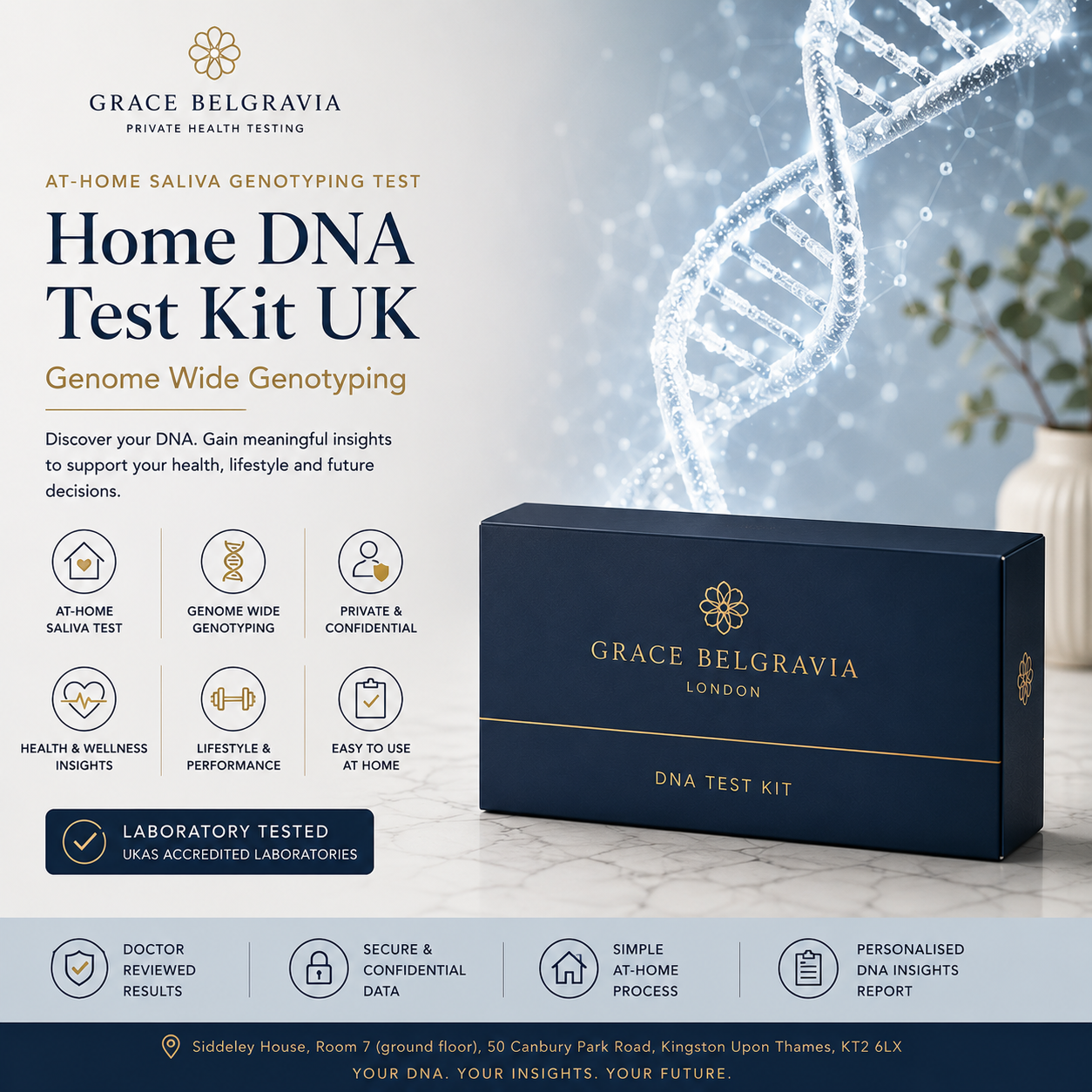














At home saliva epigenetic age test
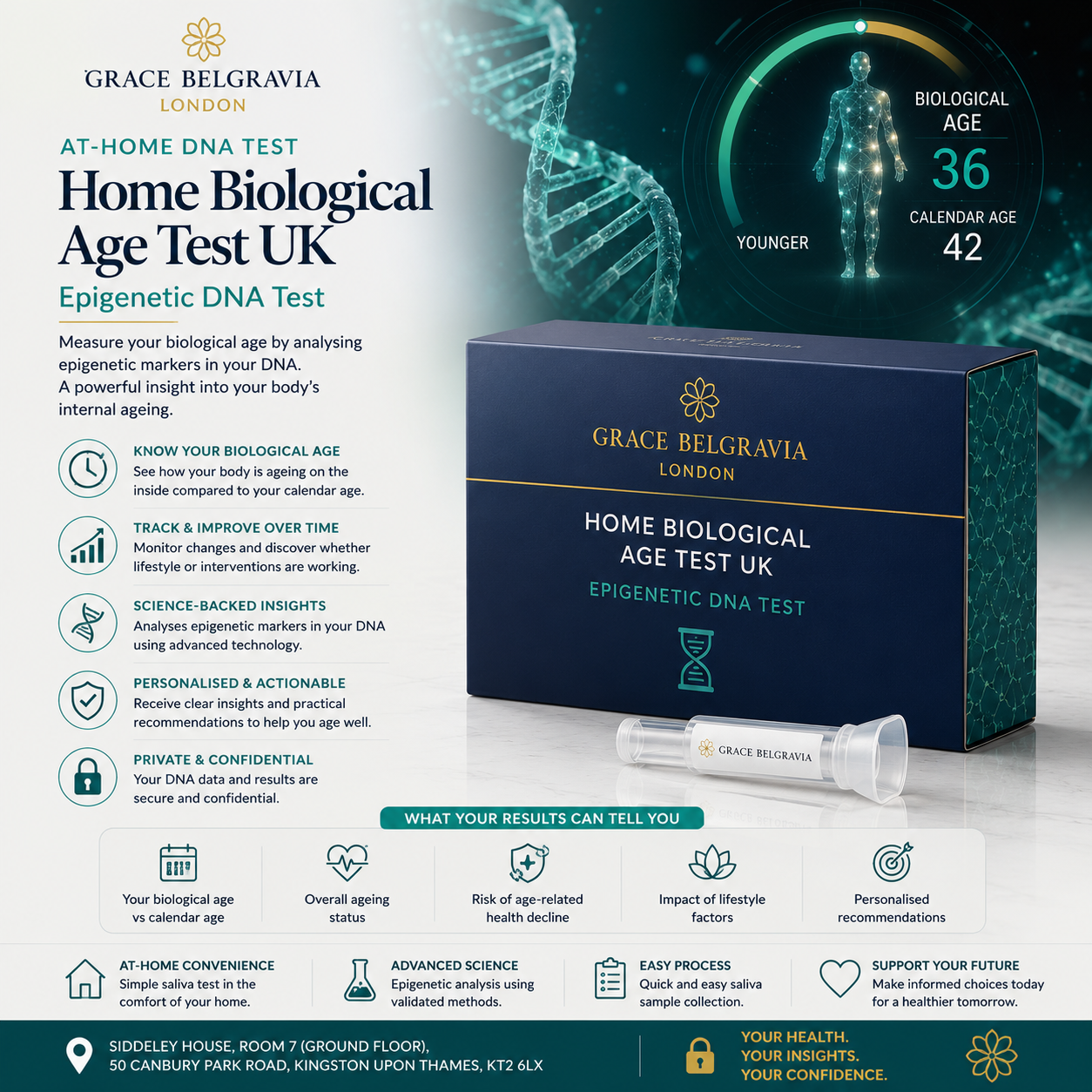
Home Biological Age Test UK | Epigenetic DNA Test
A saliva based laboratory test that estimates biological age from epigenetic markers associated with DNA.
The result provides an algorithmic estimate for the tested saliva sample. It may be useful as a personal wellness baseline, but it is not a diagnosis, a measure of every organ's age or a prediction of individual lifespan.
Different epigenetic clocks are trained for different purposes and can produce different values from the same person. The report's clock, platform, sample type, reference population and uncertainty are essential to interpretation.
An older or younger estimate cannot confirm or exclude cancer, heart disease, dementia, metabolic disease or another medical condition. Do not start supplements, medicines, hormones or procedures solely to change an epigenetic age score.
Quality and compliance
Home testing with laboratory and data safeguards
What is epigenetic biological age?
Chronological age is the time that has passed since birth. Epigenetic age is a mathematical estimate derived from molecular patterns that tend to change with age.
Many epigenetic clocks analyse DNA methylation at selected CpG sites. DNA methylation is a chemical modification involved in regulation of gene activity. It does not rewrite the underlying DNA sequence.
The laboratory combines the measured markers using a statistical algorithm. Some clocks were designed to estimate chronological age, while later clocks were trained using health, mortality or pace of ageing information. These clock types are not interchangeable.
What this product can and cannot tell you
| Question | What the result may provide | What it cannot establish |
|---|---|---|
| Age comparison | An epigenetic age estimate compared with chronological age. | A universally accepted clinical definition of being biologically younger or older. |
| Wellness baseline | A baseline that may be compared later using the same method. | Proof that a particular diet, supplement or intervention caused the result. |
| Health context | A research informed molecular ageing measure. | A diagnosis or exclusion of any disease. |
| Longevity | Population level associations may be discussed in the scientific literature. | An individual lifespan, date of death or guarantee of healthy ageing. |
| Organ health | Information from DNA in the saliva sample. | A direct measurement of the age or function of every organ. |
| Treatment decisions | A prompt for a broader wellness discussion. | A basis for prescribing medicines, hormones, supplements or procedures. |
Why the laboratory method matters
| Method detail | Why it affects interpretation |
|---|---|
| Clock or algorithm | Different clocks were trained to estimate different outcomes and can produce different age values. |
| Sample type | Saliva contains a mixture of cell types. A clock validated in blood may not perform identically in saliva. |
| Measurement platform | Array, sequencing or targeted methods assess different sites and can introduce platform related variation. |
| Reference population | Age, ancestry, health status and other characteristics of the training data may influence generalisability. |
| Quality control | Sample contamination, low DNA yield, batch effects and cell composition can affect the estimate. |
| Uncertainty | An age estimate should be interpreted with an error range rather than as a perfectly precise number. |
Who may consider this test?
This product may suit adults who want to:
- Establish a personal epigenetic ageing baseline
- Understand the difference between chronological and epigenetic age
- Discuss healthy ageing with a qualified healthcare professional
- Compare a future result using the same laboratory and methodology
- Add a research informed wellness measure to established clinical checks
It is not suitable as a substitute for symptom assessment, cancer screening, cardiovascular risk assessment, cognitive assessment or routine monitoring of blood pressure, cholesterol, glucose and other established health measures.
How the home biological age test works
Review consent and privacy
Read how the saliva sample, DNA related data, inferred health information and report will be stored, used and deleted.
Collect and return
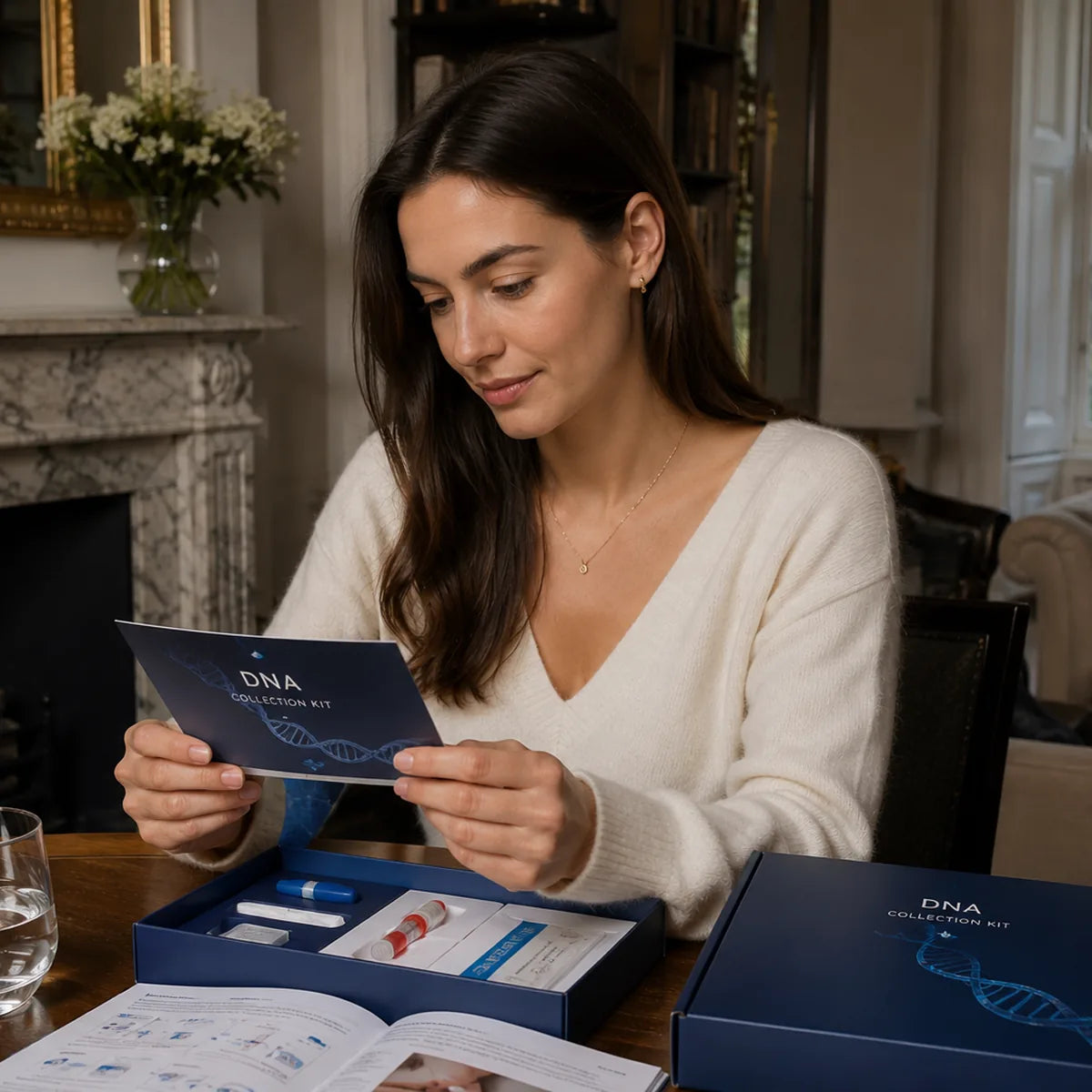
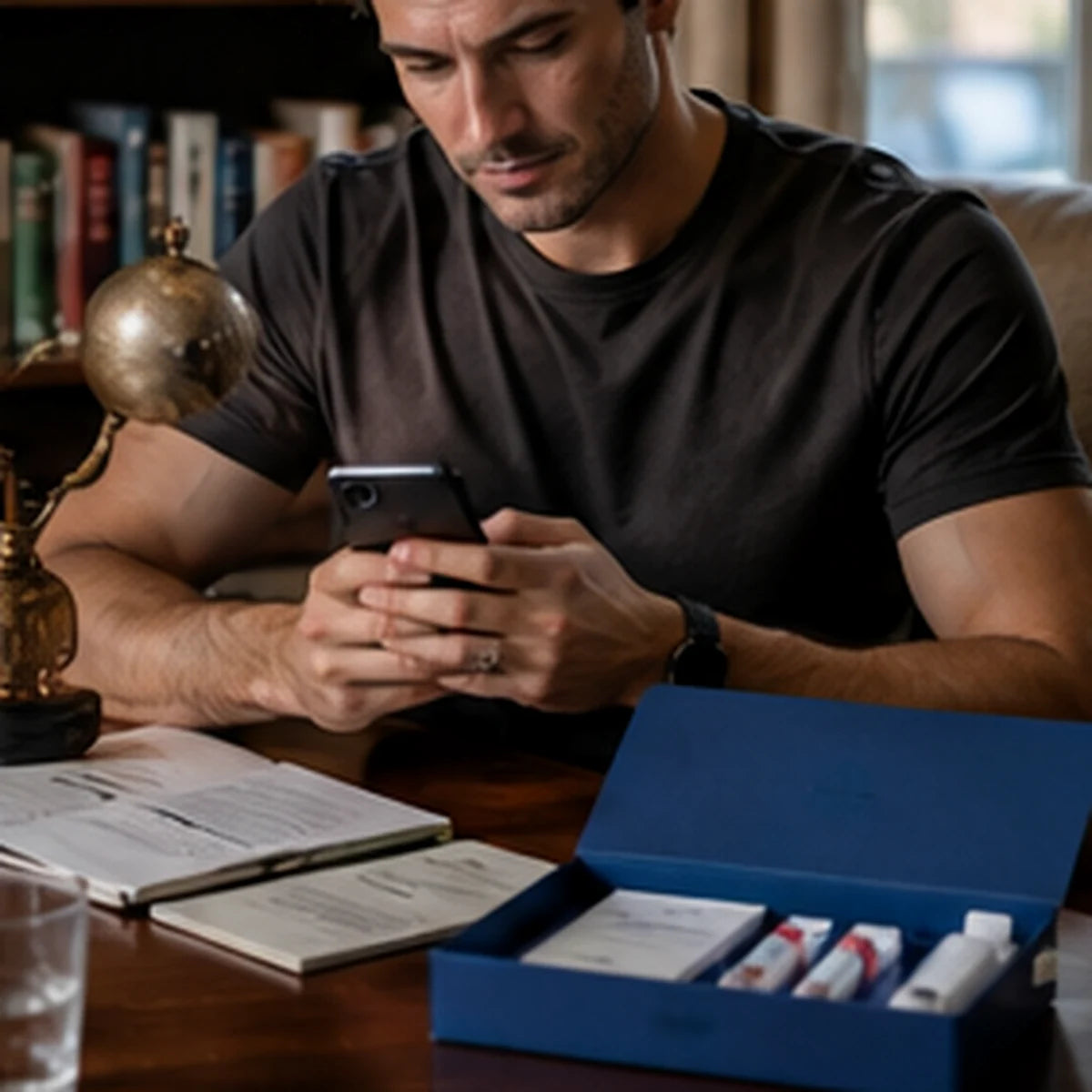
Provide saliva in the supplied tube, following all food, drink, oral care and packaging instructions.
Interpret the method
Review the clock, sample type, uncertainty and limitations before comparing the estimate with chronological age.
Preparing a saliva sample
| Preparation | What to do |
|---|---|
| Kit instructions | Follow the supplied collection timing and volume instructions exactly. The laboratory method takes priority over general advice. |
| Food and drink | Avoid food and drink for the period stated in the kit. Do not add water or another liquid to the tube unless instructed. |
| Smoking, vaping and gum | Avoid smoking, vaping and chewing gum for the collection interval stated by the provider. |
| Oral care | Do not brush teeth, use mouthwash or apply oral products within the restricted collection period. |
| Oral bleeding | Delay collection where practical if there is active mouth bleeding, recent dental treatment or visible blood in the sample. |
| Labelling | Confirm identity, collection date and time and ensure the tube is sealed and packaged as instructed. |
| Return conditions | Use the supplied packaging and return method promptly. Do not expose the sample to avoidable heat or contamination. |
Understanding an epigenetic age result
The numerical estimate, chronological age comparison, clock name and quality statement on the report take priority. There is no single clinically accepted normal biological age range.
| Report category | What it may mean | Responsible interpretation |
|---|---|---|
| Younger estimate | The algorithm estimates an epigenetic age below chronological age for the saliva sample. | Treat this as a comparative wellness estimate, not proof of freedom from disease or extended lifespan. |
| Similar estimate | The estimate is close to chronological age within the laboratory's expected range or uncertainty. | Use the methodology and uncertainty stated in the report before drawing conclusions. |
| Older estimate | The algorithm estimates an epigenetic age above chronological age. | This is not a diagnosis. Review established health risks with a clinician rather than attempting unproven anti ageing treatment. |
| Quality or method warning | The result may be affected by sample quality, cell composition, assay platform, batch effects or use of a clock not optimised for saliva. | Check the laboratory quality note and consider repeat testing only under comparable conditions. |
| Not interpretable | The sample or algorithm did not produce a result that meets the laboratory's quality criteria. | Do not infer health status. Follow the provider's recollection or repeat testing instructions. |
Use the same laboratory, saliva collection method, analytical platform and epigenetic clock. Changes between different tests may reflect methodology rather than a true change in ageing biology.
Healthy ageing after the result
The most defensible response to any epigenetic age result is to focus on established health measures rather than chasing a score. This may include:
- Not smoking
- Regular physical activity appropriate to health and ability
- A balanced dietary pattern
- Appropriate sleep and treatment of sleep disorders
- Moderating alcohol intake
- Managing blood pressure, cholesterol and glucose
- Maintaining recommended vaccinations and screening
- Seeking clinical assessment for persistent symptoms
A biological age result does not identify which intervention is required and should not be used to justify unlicensed or unproven anti ageing treatment.
DNA privacy and informed consent
Genetic data and health related inferences are special category data under UK GDPR. Before sending a saliva sample, review the provider's privacy information carefully.
| Privacy question | What the policy should explain |
|---|---|
| Purpose | Exactly which analyses will be performed and whether data will be used beyond producing the report. |
| Consent and lawful basis | The Article 6 lawful basis and Article 9 condition used for special category data. |
| Storage location | Where the sample and data are stored and whether information is transferred outside the UK. |
| Retention and destruction | How long the physical sample, raw data and report are kept and when they are destroyed. |
| Third party use | Whether laboratories, technology providers, researchers or commercial partners receive identifiable or pseudonymised data. |
| Your rights | How to request access, correction, restriction, deletion or withdrawal of consent and any legal limitations. |
Evidence and content standards
How this product information was fact checked
This page was prepared from the supplied saliva based epigenetic biological age product specification and checked against peer reviewed research on DNA methylation clocks, saliva based age estimation, differences between clocks and technical platform variation, alongside UK data protection guidance.
Clinical accountability
Fact checked, medically reviewed and editorially overseen
The review structure separates scientific and data governance checking, healthy ageing medical review and patient facing clinical oversight. The reviewers are not presented as specialist epigeneticists or clinical geneticists.
Veronika Matutyte
Medical Doctor and Healthcare Management Expert
Checked laboratory pathway wording, test limitations, data governance context and responsible communication of uncertainty.
View professional profileDr Rimas Geiga
Medical Doctor, Nutritional Sciences Adviser and Healthy Ageing Expert
Reviewed biological ageing concepts, lifestyle context, healthy ageing boundaries and the risks of overinterpreting wellness biomarkers.
View professional profileDr Laura Geige
Medical Director, Senior Practitioner and Skin Expert
Reviewed patient facing clarity, consent and privacy prompts, responsible claims and separation of wellness information from diagnosis and treatment.
View professional profileAuthoritative references
Epigenetic age science and UK data guidance
View scientific and regulatory sources
- Horvath: DNA methylation age of human tissues and cell types
- Comparison of 14 epigenetic clocks and incident disease outcomes
- DNA methylation age differences between array platforms and sample types
- Saliva DNA methylation age prediction study
- Longitudinal changes in epigenetic clocks and survival research
- NHS Genomics Education: what is epigenetics?
- ICO special category data guidance
- ICO guidance on genomic data
- UKAS medical laboratory accreditation
- CQC diagnostic and screening services guidance
Search led questions
Home biological age and epigenetic DNA test FAQs
Can I take a biological age test at home?
Yes. This kit uses a saliva sample collected at home and returned for laboratory analysis. It is not an instant test and the result is an estimate produced by the laboratory method and algorithm used.
What is an epigenetic biological age test?
It estimates age related patterns in epigenetic markers associated with DNA. Many epigenetic age methods use DNA methylation at selected CpG sites and apply a statistical model known as an epigenetic clock.
What is the difference between biological age and chronological age?
Chronological age is the time since birth. Epigenetic biological age is an algorithmic estimate based on molecular patterns in the tested sample and reference population. It is not a literal age of every organ.
Does an epigenetic test change or sequence my DNA?
The test analyses information associated with DNA from the saliva sample. Epigenetic changes such as DNA methylation do not alter the underlying DNA sequence, although the exact laboratory platform should be described in the report.
What does DNA methylation mean?
DNA methylation is a chemical modification associated with regulation of gene activity. Patterns change with age, cell type, development, exposures and health factors without changing the sequence of DNA letters.
How accurate is a biological age test?
Accuracy depends on the clock, sample type, platform, reference population, laboratory quality and quality control. The report should state the method and, where available, its expected error or uncertainty.
Can different biological age tests give different results?
Yes. Different clocks are trained for different purposes and do not provide identical information. A chronological age clock, mortality related clock and pace of ageing measure should not be treated as interchangeable.
Can saliva be used for an epigenetic age test?
Yes. Saliva contains human cells from which DNA can be analysed. Results can be influenced by saliva cell composition, collection quality, assay platform and whether the clock was validated for that sample type.
Does a younger biological age mean I am healthy?
Not necessarily. A younger estimate is not proof that you are free from disease, and an older estimate is not a diagnosis. Established clinical measurements and symptoms remain more important for medical decisions.
Can the test predict how long I will live?
No individual result can reliably predict a person's lifespan or date of death. Some epigenetic clocks are associated with health outcomes in population research, but association does not provide a personal prognosis.
Can the test diagnose cancer, heart disease or dementia?
No. This product is not a diagnostic test for cancer, cardiovascular disease, dementia or another age related condition. Symptoms and risk factors require appropriate clinical assessment.
Can the result show the age of individual organs?
Not from a single saliva based epigenetic age result. It reflects the tested sample and algorithm. It should not be described as a direct measurement of the age or function of every organ.
Can diet, exercise, sleep or smoking affect epigenetic age?
Research has found associations between several lifestyle and environmental factors and epigenetic ageing measures. A single result cannot prove that one habit caused the estimate or that changing one behaviour will reverse it.
Can I use the test to prove an anti ageing treatment works?
No. Short term changes can reflect biological and technical variation. The test should not be used alone to validate a supplement, medicine, procedure or commercial anti ageing programme.
How often should I repeat a biological age test?
Frequent short interval testing is unlikely to be easy to interpret. Where repeat testing is chosen, use the same laboratory, sample type, platform and clock and follow the laboratory's recommended minimum interval.
What should be included in an epigenetic age report?
A credible report should identify the sample type, measurement platform, clock or algorithm, result units, reference population, quality controls, uncertainty and important limitations.
How should I prepare a saliva sample?
Follow the kit instructions exactly. Avoid food, drink, smoking, vaping, chewing gum, tooth brushing or mouth products for the period stated by the provider, and do not collect while there is active oral bleeding.
Is my DNA data protected in the UK?
Genetic and health data are special category data under UK GDPR. Review the privacy notice for the legal basis, consent, storage location, retention period, research use, third party sharing and sample destruction policy.
Can I request deletion of my genetic data?
Your rights depend on the lawful basis and how the data is processed. The provider's privacy notice should explain access, deletion, withdrawal of consent and any limits where data has been irreversibly anonymised.
Are the laboratories UKAS accredited and CQC registered?
Samples are processed through UKAS accredited laboratories within a CQC registered diagnostic pathway. Collection equipment and handling procedures should follow the quality framework stated in the product documentation.