














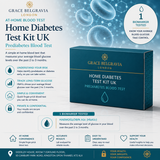

At home diabetes and prediabetes blood test
Home Diabetes Test Kit UK | Prediabetes Blood Test
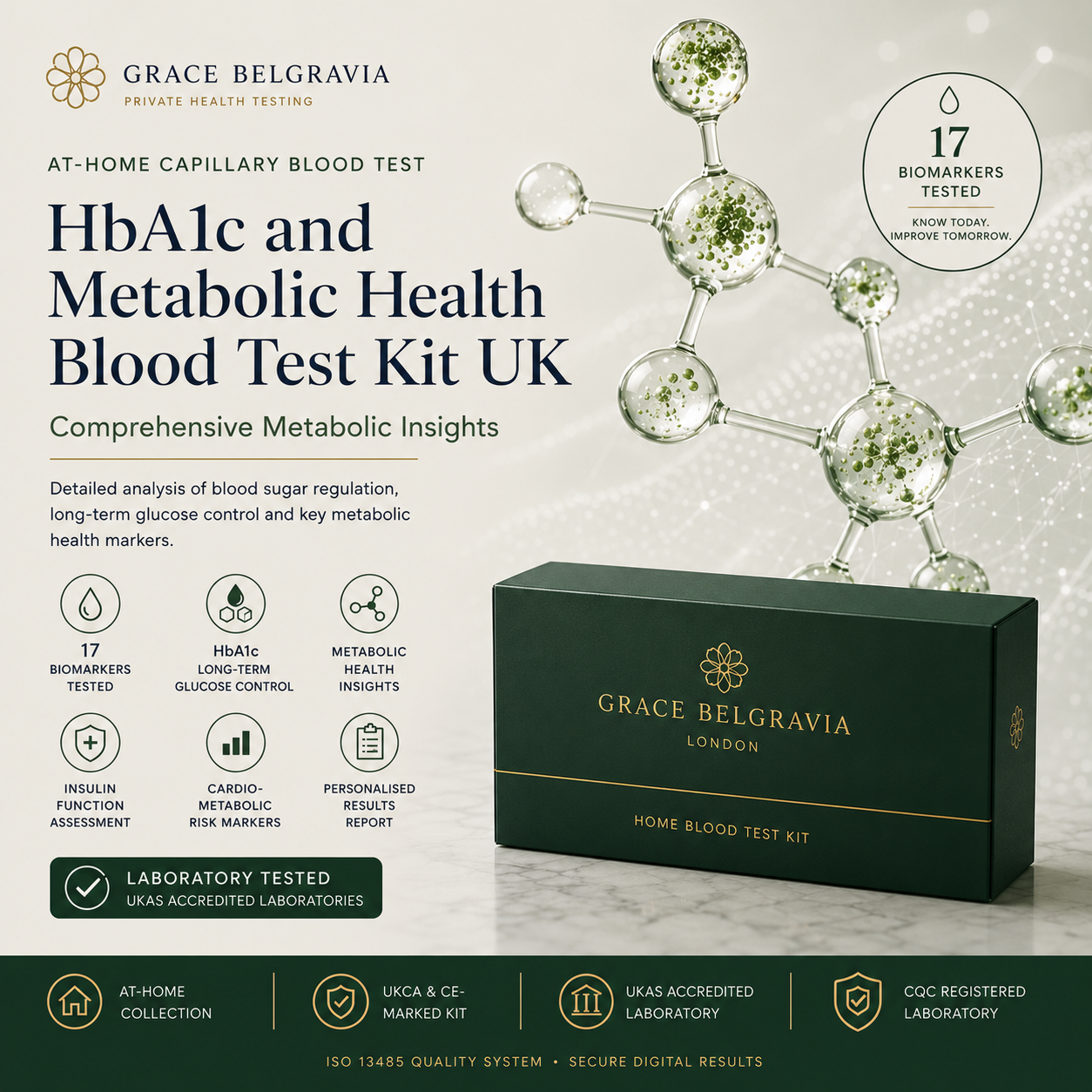
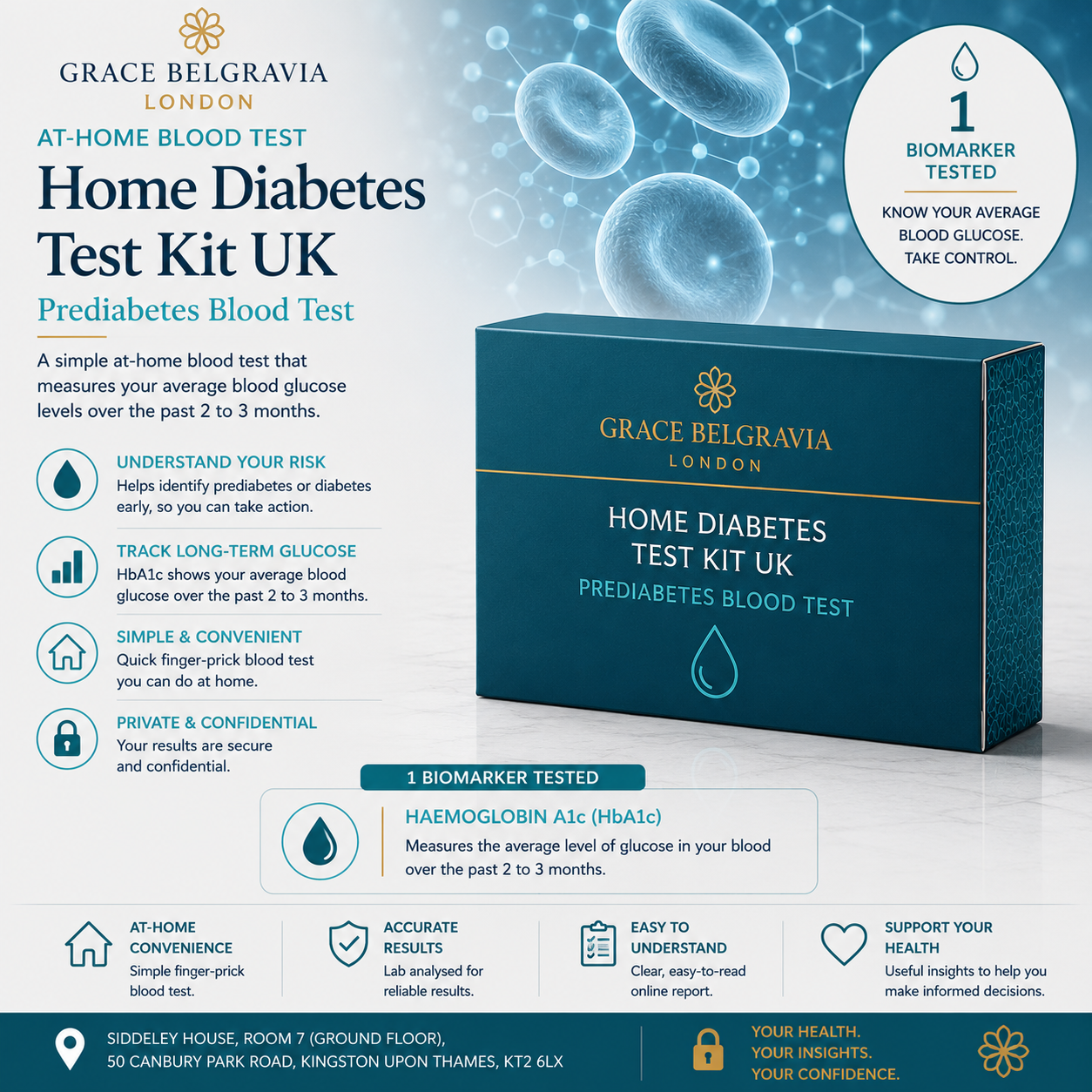
A laboratory analysed home blood test measuring HbA1c, your average blood sugar over approximately two to three months.
The test can support screening for prediabetes and type 2 diabetes and can help monitor longer term glucose control in people with diagnosed diabetes. It is not a current glucose reading and does not replace urgent assessment where symptoms are present.
The sample is analysed by a laboratory. A result in the diabetes range requires clinical review, and an asymptomatic person usually needs a second qualifying test before diagnosis.
Do not wait for an HbA1c result if symptoms are developing quickly. Intense thirst, frequent urination, rapid weight loss, vomiting, abdominal pain, deep breathing, fruity smelling breath, severe dehydration, confusion or drowsiness require urgent glucose and ketone assessment.
Quality and compliance
Home testing supported by UK clinical standards
What is an HbA1c test?
Glucose attaches to haemoglobin within red blood cells. The resulting glycated haemoglobin is measured as HbA1c and reported in mmol/mol.
Because red blood cells remain in circulation for several weeks, HbA1c reflects average glucose over roughly the preceding two to three months. More recent weeks contribute more strongly than the earliest part of that period.
HbA1c differs from a glucose meter reading. A meter shows glucose at one moment, while HbA1c provides longer term context. HbA1c does not reveal individual spikes, hypoglycaemic episodes or the current ketone level.
Who may consider this test?
A laboratory HbA1c test may be considered by adults who:
- Want to review their risk of type 2 diabetes
- Have previously been told they have prediabetes or non diabetic hyperglycaemia
- Have a family history of type 2 diabetes
- Have overweight, obesity, high blood pressure or cardiovascular risk factors
- Have symptoms such as thirst, frequent urination or unexplained tiredness and have also arranged clinical advice
- Have diagnosed diabetes and have been advised to monitor HbA1c
- Want to compare a result after sustained treatment or lifestyle changes
Suspected type 1 diabetes, pregnancy, recent childbirth, acute illness, rapidly developing symptoms and several red blood cell conditions require a different or additional testing approach.
When HbA1c may be unsuitable or misleading
| Situation | Why it matters | Possible alternative |
|---|---|---|
| Suspected type 1 diabetes | Glucose and ketones can rise rapidly before HbA1c fully reflects the change. | Urgent current glucose and ketone testing with clinical assessment. |
| Pregnancy or within two months after birth | HbA1c is not the standard diagnostic test for gestational diabetes. | Testing directed by the maternity or diabetes team. |
| Recent blood loss or transfusion | The age and source of red blood cells changes, making the average misleading. | Glucose based testing until HbA1c becomes reliable again. |
| Anaemia or haemolysis | Altered red blood cell lifespan may falsely raise or lower HbA1c. | Full blood count, clinical review and glucose based tests. |
| Haemoglobin variant | Sickle cell disease, thalassaemia and other variants may affect the result or assay. | A laboratory method appropriate for the variant or another glucose marker. |
| Rapid medicine related glucose rise | Steroids and some antipsychotics may change glucose faster than HbA1c responds. | Current glucose monitoring and clinician directed follow up. |
| Recent acute illness | Illness may temporarily raise glucose and change the immediate clinical priority. | Current glucose testing and repeat assessment after recovery. |
How the home diabetes test kit works
Check suitability
Review pregnancy, symptoms, medicines, anaemia, blood disorders and recent transfusion guidance.
Collect and return
Collect capillary blood into the supplied microtainer and return it using the provided packaging.
Review clinically
Use the numerical HbA1c result with symptoms, history, medicines and any previous glucose results.
Preparing for the test
| Preparation | What to do |
|---|---|
| Fasting | Fasting is not required. Eat and drink normally unless another ordered test has different instructions. |
| Medicines | Take prescribed medicines as directed. Record diabetes medicines, insulin, steroids, antipsychotics and recent treatment changes. |
| Pregnancy | Do not use this test to diagnose gestational diabetes. Follow maternity team advice. |
| Blood conditions | Declare anaemia, sickle cell disease, thalassaemia or another haemoglobin disorder. |
| Transfusion or blood loss | Record recent transfusion, surgery, major bleeding, blood donation or haemolysis. |
| Acute symptoms | Seek urgent assessment rather than waiting for this result when symptoms are severe or rapidly developing. |
Understanding your HbA1c result
The numerical result and laboratory comment take priority. Diagnostic categories for someone without known diabetes are not the same as personalised treatment targets for someone already diagnosed.
| Result category | What it may mean | What to do |
|---|---|---|
| Low | A low HbA1c may represent low average glucose, but it can also be caused by recent blood loss, haemolysis, transfusion, pregnancy or another factor that shortens red blood cell survival. | Discuss an unexpected low result with a clinician rather than assuming it is automatically reassuring. |
| Below high risk range | Below 42 mmol/mol is generally below the UK prediabetes range for someone without diagnosed diabetes. | A low risk result does not exclude diabetes where symptoms, suspected type 1 diabetes or a very high clinical risk is present. |
| Prediabetes range | An HbA1c of 42 to 47 mmol/mol indicates non diabetic hyperglycaemia, often called prediabetes, and a higher future risk of type 2 diabetes. | Arrange GP review for risk assessment, lifestyle support and an appropriate monitoring plan. |
| Diabetes range | An HbA1c of 48 mmol/mol or above is within the diagnostic range for diabetes when the test is suitable for diagnosis. | Seek prompt clinical review. If you do not have symptoms, a second qualifying blood test is usually needed before diagnosis. |
| Known diabetes | For someone already diagnosed, the result is compared with an individual treatment target rather than classified simply as normal or diabetic. | Discuss the result with the diabetes team before changing food, medicines or insulin. |
| Markedly high | A very high HbA1c suggests sustained hyperglycaemia but does not show the current glucose or ketone level. | Arrange prompt clinical review. Seek urgent help immediately if vomiting, abdominal pain, deep breathing, dehydration, confusion or drowsiness is present. |
An asymptomatic person with an HbA1c of 48 mmol/mol or above usually needs a second qualifying test. A result below 48 mmol/mol does not exclude diabetes diagnosed using glucose testing.
HbA1c monitoring for people with diabetes
| Monitoring point | Why it matters |
|---|---|
| Personal target | Targets depend on diabetes type, medicines, hypoglycaemia risk, age, pregnancy, complications and personal priorities. |
| Three to six month review | Testing is commonly repeated every three to six months depending on stability, treatment and whether the target is being met. |
| Current glucose still matters | HbA1c cannot show daily variability, nocturnal hypoglycaemia or current glucose and ketone levels. |
| Do not alter treatment alone | Medicine and insulin changes should be agreed with the diabetes team, especially where hypoglycaemia is possible. |
Evidence and content standards
How this product information was fact checked
This page was prepared from the supplied HbA1c product specification and checked against current NICE, NHS, Diabetes UK and UK laboratory guidance on diagnosis, confirmation, result ranges, monitoring and situations where HbA1c may be unsuitable.
Clinical accountability
Fact checked, medically reviewed and editorially overseen
The review structure separates evidence and laboratory verification, metabolic medical review and patient facing editorial oversight. This page does not replace an individual assessment by a GP or diabetes specialist.
Veronika Matutyte
Medical Doctor and Healthcare Management Expert
Checked laboratory pathway wording, diagnostic thresholds, confirmation requirements, exclusions and urgent safety guidance.
View professional profileDr Rimas Geiga
Medical Doctor, Nutritional Sciences Adviser and Healthy Ageing Expert
Reviewed diabetes risk, longer term glucose control, metabolic health, treatment targets and responsible lifestyle context.
View professional profileDr Snieguole Geige
Dentist, Medical Doctor and Senior Adviser
Reviewed patient facing clarity, symptom escalation, diagnostic boundaries and the distinction between screening, confirmation and monitoring.
View professional profileAuthoritative references
UK diabetes and HbA1c information
View NICE, NHS and Diabetes UK sources
- NICE type 2 diabetes prevention and diagnostic confirmation
- NICE adult type 2 diabetes diagnosis and HbA1c exclusions
- NICE type 2 diabetes blood glucose management
- Diabetes UK guide to HbA1c
- Diabetes UK diagnostic criteria
- Diabetes UK testing and home test limitations
- NHS HbA1c laboratory interpretation
- Association for Laboratory Medicine HbA1c information
- UKAS medical laboratory accreditation
- CQC diagnostic and screening services guidance
Search led questions
Home diabetes and prediabetes test FAQs
Can I test for diabetes at home?
You can collect a capillary blood sample at home for laboratory HbA1c analysis. The result may support screening or monitoring, but it should be interpreted by a healthcare professional and may need confirmation before diabetes is diagnosed.
What does an HbA1c blood test measure?
HbA1c measures glycated haemoglobin and reflects average blood glucose over roughly the previous two to three months. It does not show your blood sugar at the exact moment of testing.
What is the difference between HbA1c and a finger prick glucose test?
HbA1c reflects average glucose over several weeks. A glucose meter gives a current snapshot that can change with food, exercise, stress, illness and medicines.
Do I need to fast for an HbA1c test?
No. Fasting is not required for HbA1c on its own. Follow the kit instructions and maintain your usual food, drink and medicine routine unless a clinician advises otherwise.
What HbA1c result is considered normal in the UK?
For someone without diagnosed diabetes, an HbA1c below 42 mmol/mol is generally considered below the high risk range. Symptoms or very high clinical risk may still require glucose testing.
What HbA1c result indicates prediabetes?
An HbA1c from 42 to 47 mmol/mol is commonly described in the UK as non diabetic hyperglycaemia or prediabetes and indicates increased risk of developing type 2 diabetes.
What HbA1c result indicates diabetes?
An HbA1c of 48 mmol/mol or above is within the diagnostic range for diabetes. In someone without symptoms, a second qualifying blood test is usually required before diagnosis.
Can one home HbA1c result diagnose diabetes?
Not safely in every situation. A laboratory result at or above the diagnostic threshold requires clinical review, and an asymptomatic person usually needs confirmation with a second blood test.
Can a normal HbA1c rule out diabetes?
No. HbA1c below 48 mmol/mol does not exclude diabetes diagnosed using glucose tests. People with symptoms, suspected type 1 diabetes or very high clinical risk need prompt clinical assessment.
Can HbA1c diagnose type 1 diabetes?
HbA1c should not be relied on to diagnose suspected type 1 diabetes. Symptoms can develop rapidly and require urgent same day glucose and ketone assessment.
Can HbA1c be used during pregnancy?
HbA1c is not the standard test for diagnosing gestational diabetes and should not be used to diagnose diabetes during pregnancy or within two months after birth. Follow maternity or diabetes team advice.
Can anaemia affect HbA1c?
Yes. Iron deficiency, haemolytic anaemia and other conditions affecting red blood cells can make HbA1c misleadingly high or low. A clinician may request a full blood count or glucose based test.
Can a blood transfusion affect HbA1c?
Yes. Recent transfusion, major blood loss or conditions that shorten red blood cell survival can make HbA1c unreliable. Tell the laboratory and clinician before interpretation.
Can haemoglobin variants affect HbA1c?
Yes. Sickle cell disease, thalassaemia and other haemoglobin variants may alter the result or interfere with some assay methods. The laboratory should be told about any known blood disorder.
Can steroids or other medicines affect HbA1c?
Steroids and some antipsychotic medicines can raise glucose quickly. HbA1c may not reflect a recent rapid change, so a current glucose test may also be required.
What does a low HbA1c result mean?
A low result may reflect genuinely low average glucose, but it can also occur with recent blood loss, haemolysis, transfusion, pregnancy or another condition that shortens red blood cell survival.
What is a good HbA1c target for someone with diabetes?
Targets are personalised. NICE commonly uses 48 mmol/mol for some adults managed without medicines that cause hypoglycaemia and 53 mmol/mol for some adults taking medicines that can cause it, but the healthcare team may set a different target.
How often should HbA1c be checked?
People with diabetes are commonly tested every three to six months depending on treatment, stability and whether targets are being met. People with prediabetes may be monitored at intervals recommended by their GP.
When are diabetes symptoms urgent?
Seek urgent help for vomiting, abdominal pain, deep or rapid breathing, fruity smelling breath, severe dehydration, confusion, drowsiness or collapse, especially with intense thirst, frequent urination or rapid weight loss.
Are the laboratories UKAS accredited and CQC registered?
Samples are processed through UKAS accredited laboratories within a CQC registered diagnostic pathway. Collection equipment is UKCA and CE marked and supported by an ISO 13485 quality management framework.