



Private menopause-related hormone and thyroid testing
Menopause & Perimenopause Blood Test Home Kits UK
Compare female reproductive hormones, thyroid function, thyroid antibodies and vitamin D testing while understanding when menopause is identified clinically rather than through blood tests.
For otherwise healthy people aged 45 or over with typical symptoms, NICE recommends identifying perimenopause and menopause from symptoms and menstrual history rather than routine laboratory testing. Blood tests may still be useful when symptoms are atypical, menopause is suspected before age 45, another condition such as thyroid disease needs consideration, or a clinician recommends targeted monitoring.

Seek prompt advice for bleeding after menopause, very heavy bleeding, chest pain, severe breathlessness, one-sided leg swelling, severe headache, visual disturbance or symptoms suggesting pregnancy.
Interactive test finder
What question are you trying to answer?
Symptoms and overlapping conditions
Why targeted testing may sometimes be considered
FSH may be considered in selected people aged 40 to 45 with symptoms and cycle change, or under 40 when menopause is suspected, but interpretation should be clinically directed.
Browse the collection
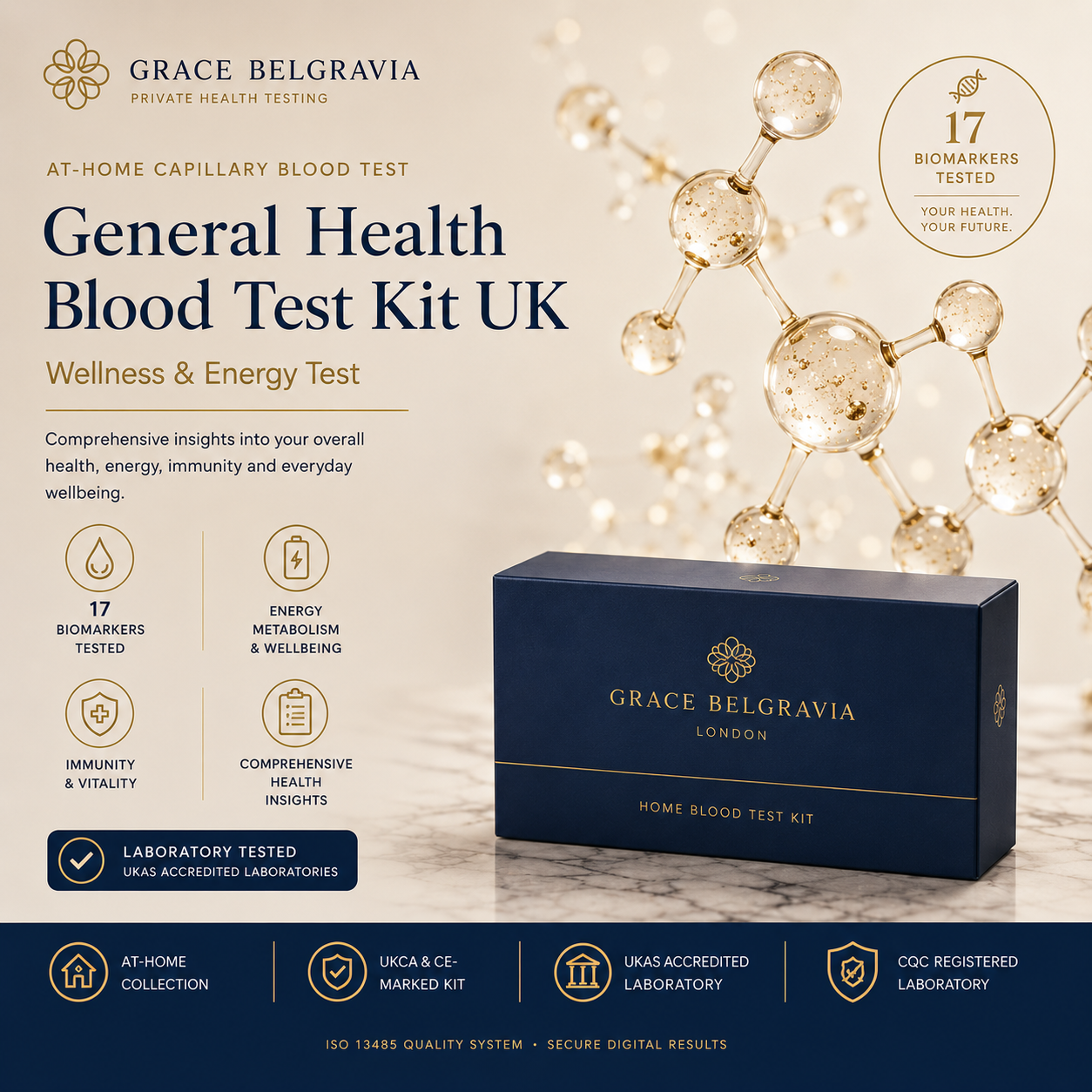
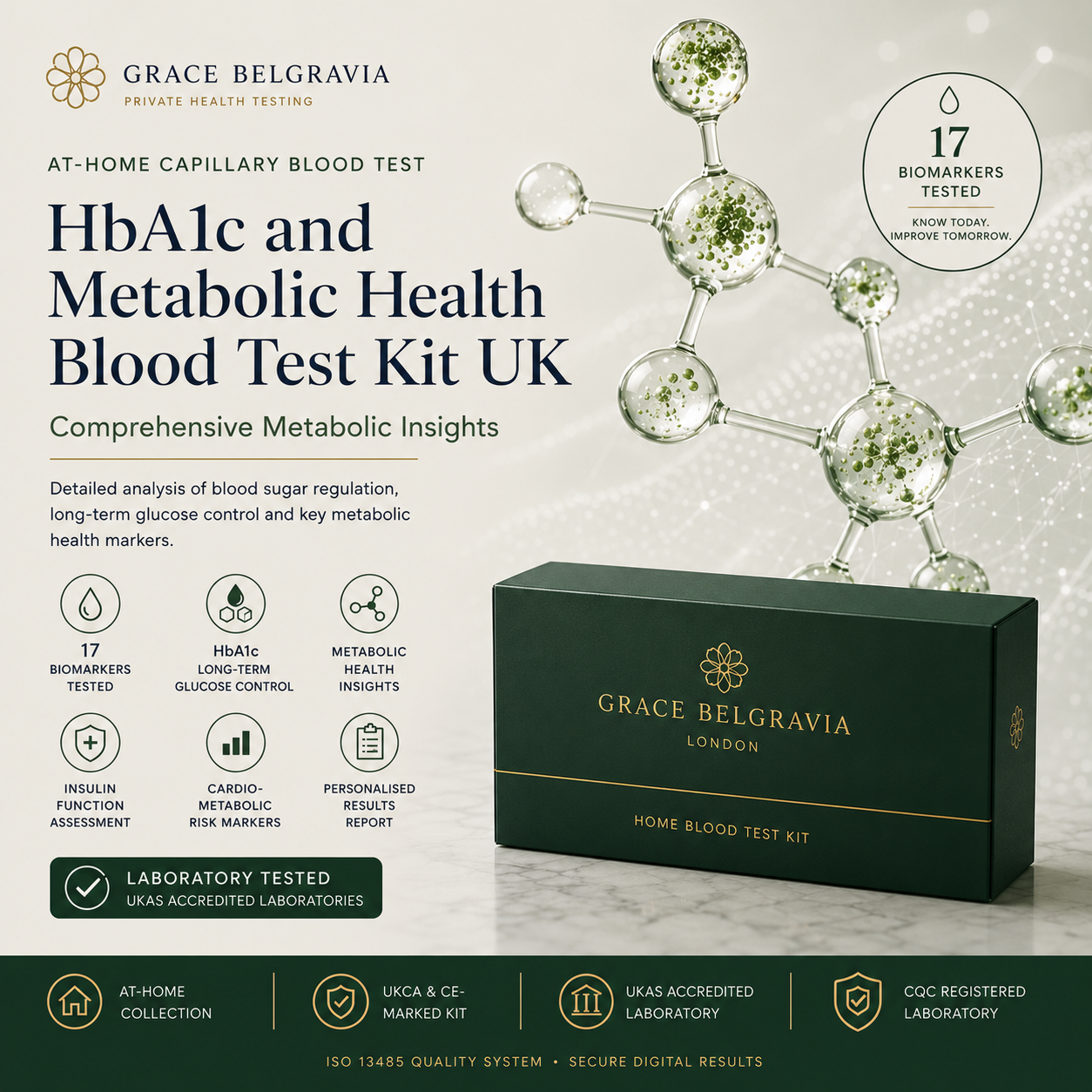
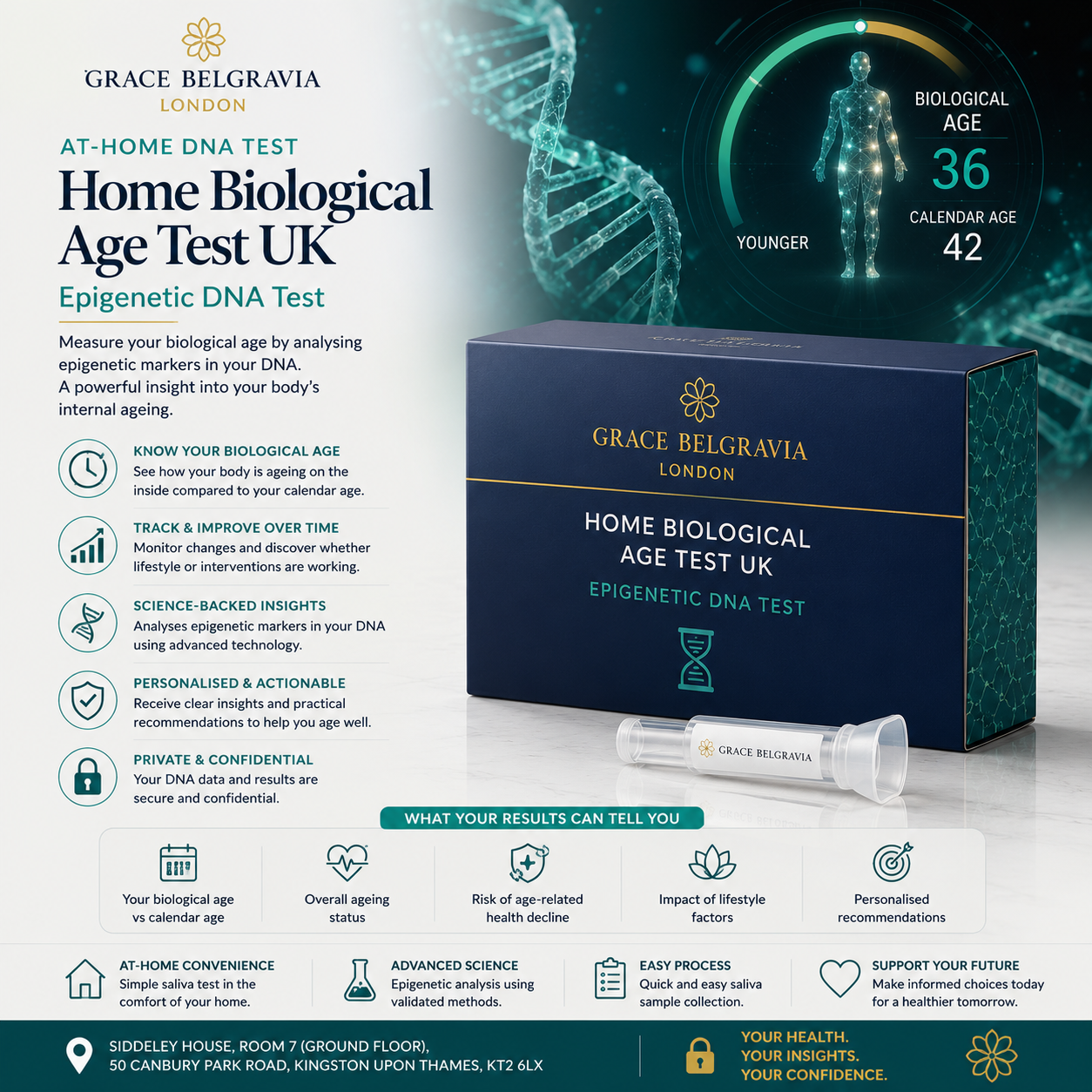
Menopause and perimenopause-related home blood tests

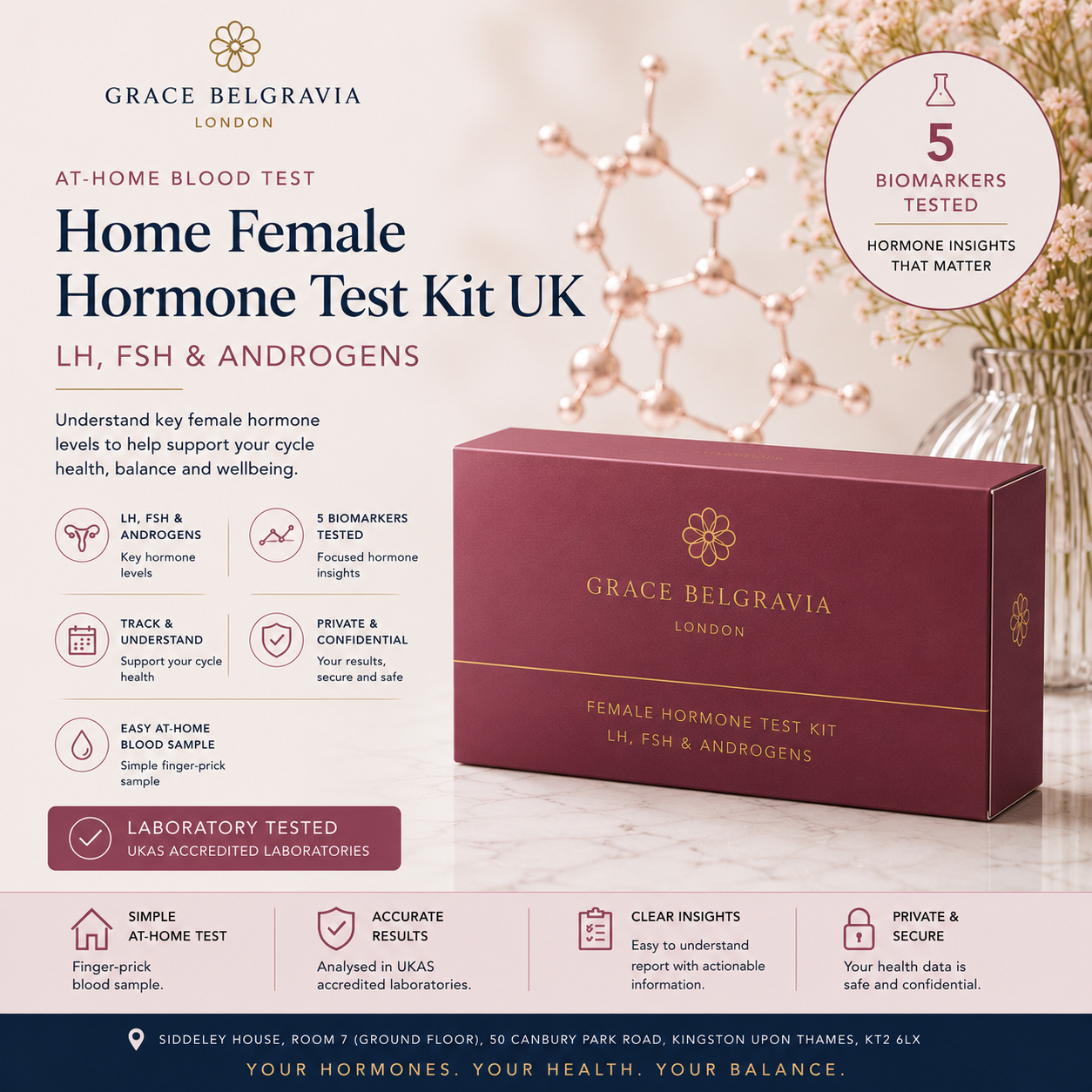
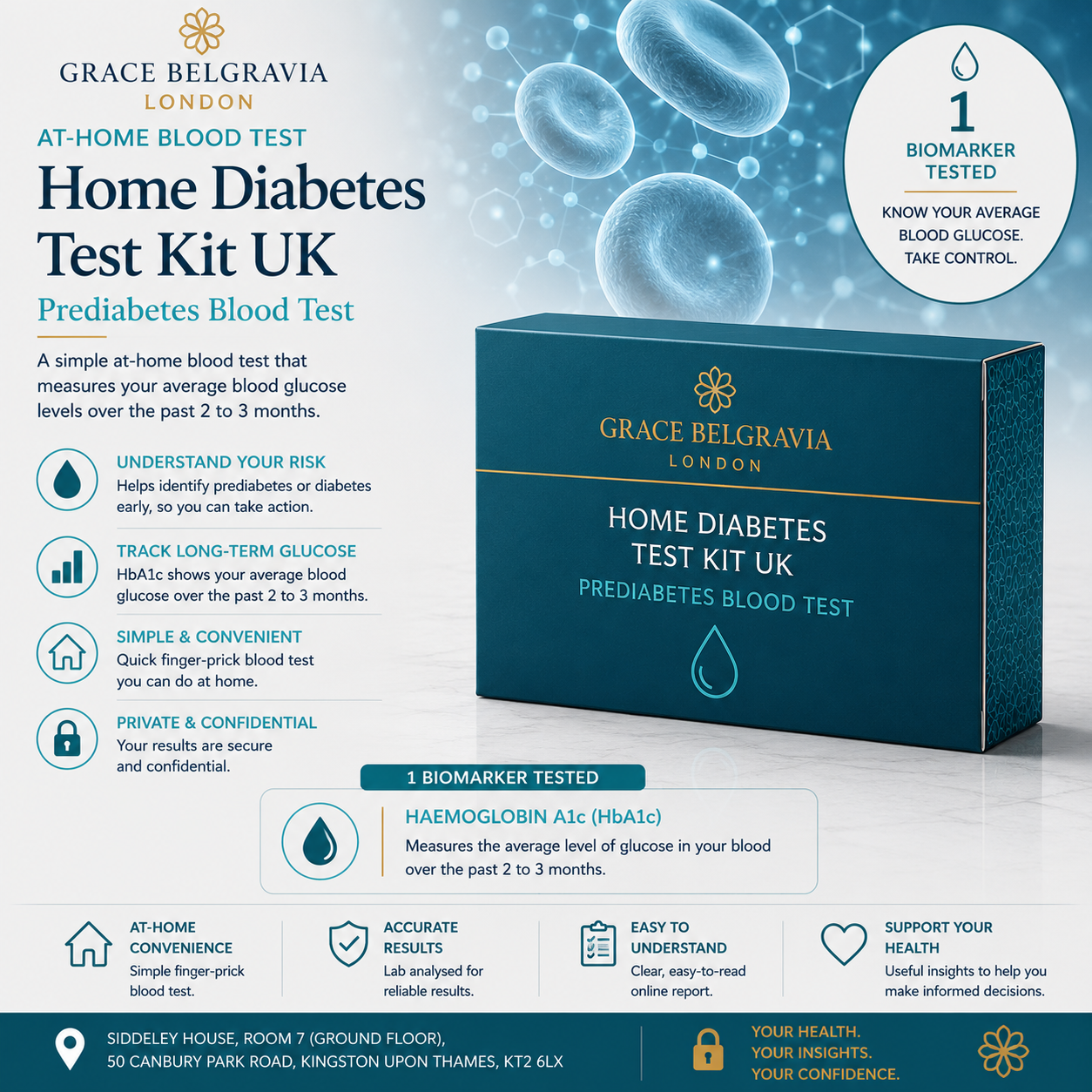
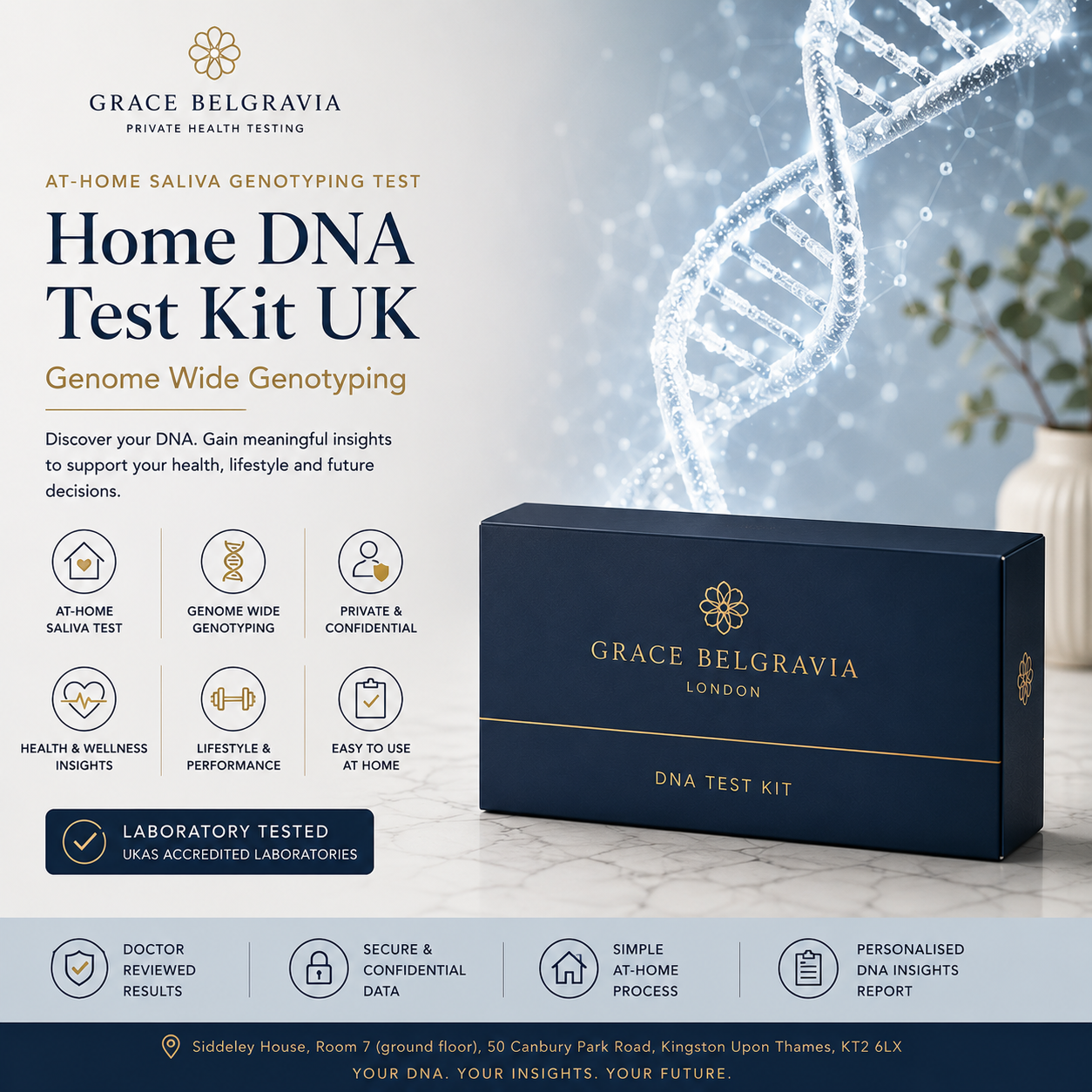
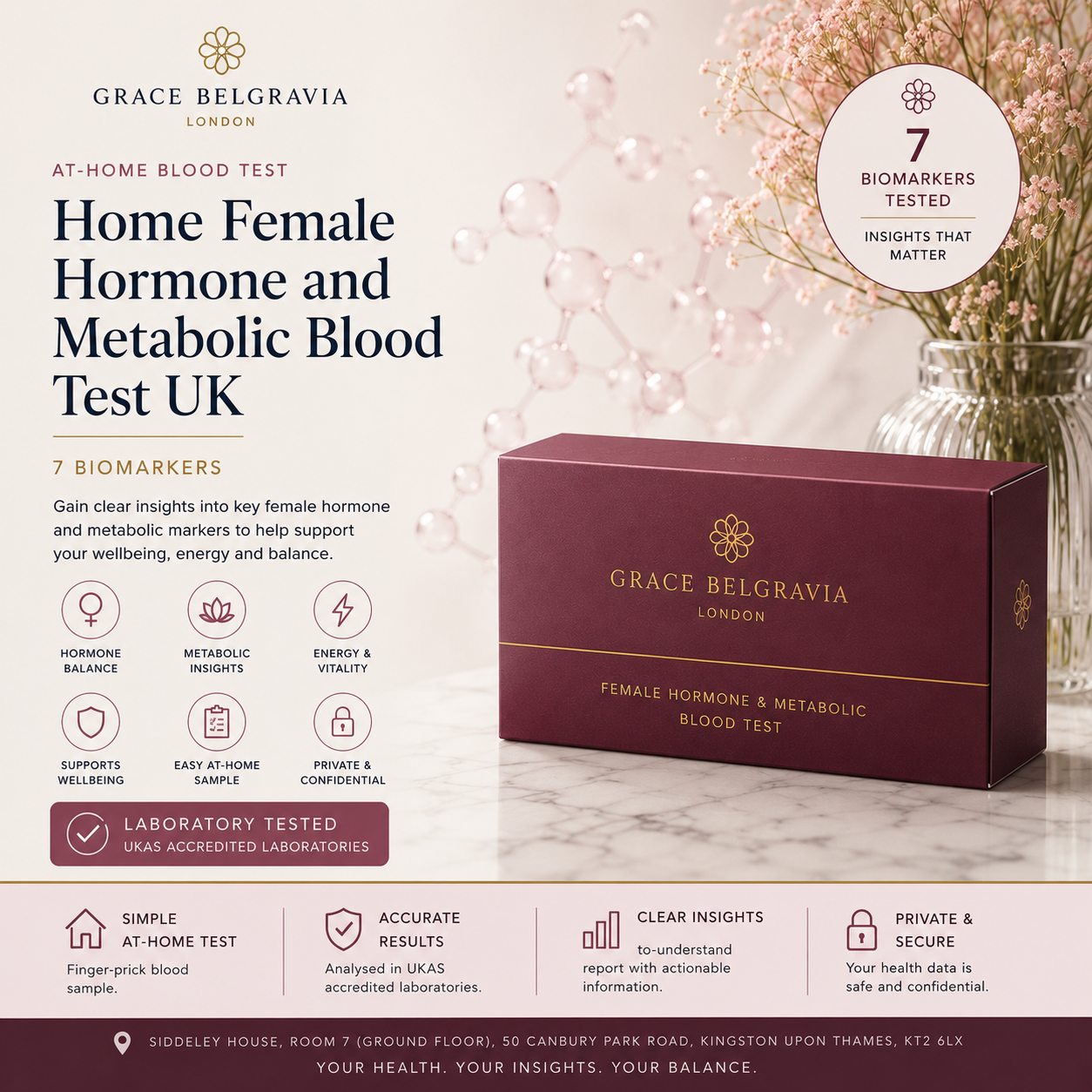
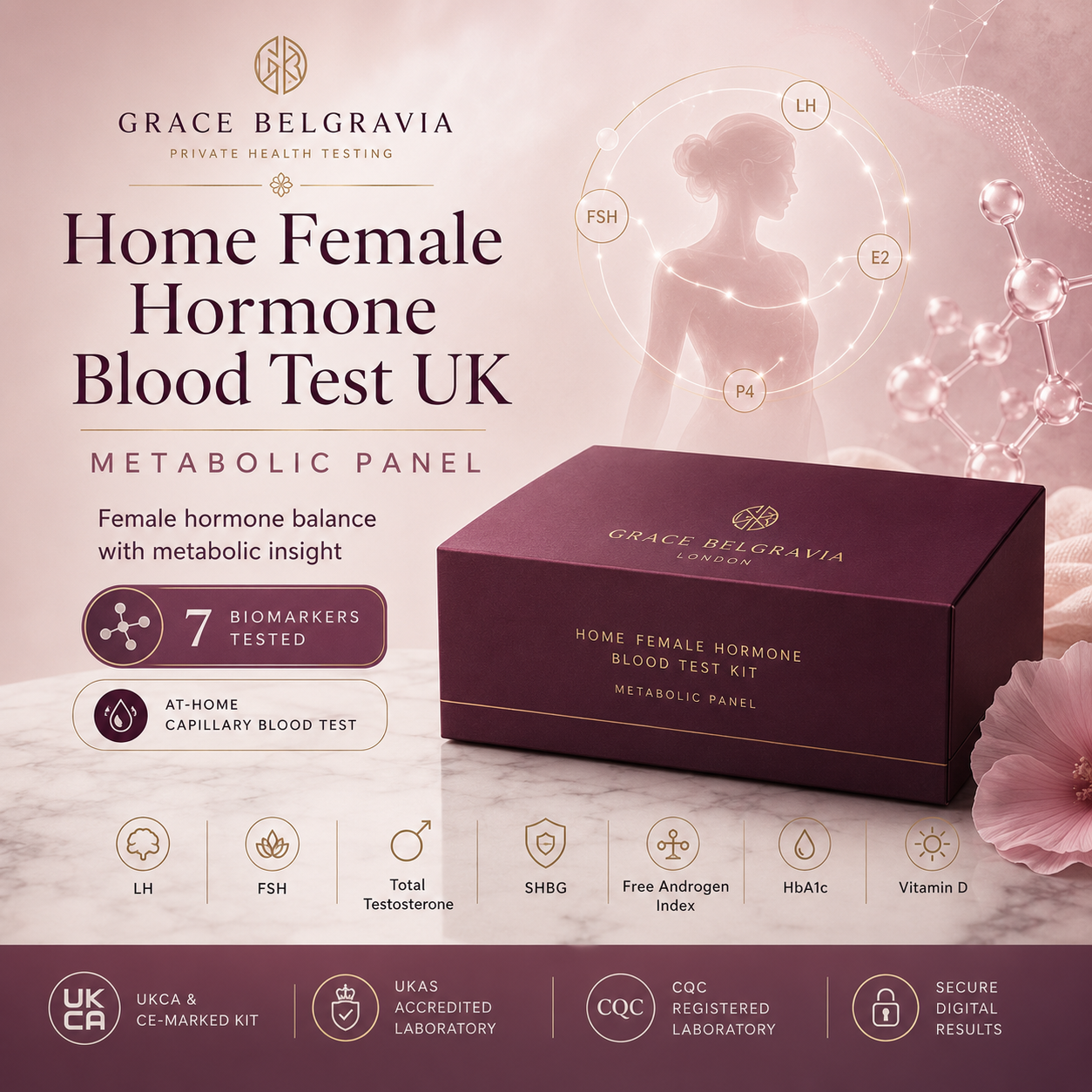
Home Female Hormone Test Kit UK – LH, FSH & Androgens
A reproductive hormone panel for selected questions involving LH, FSH and androgen-related markers. It should not be used routinely to confirm typical menopause in people aged 45 or over.

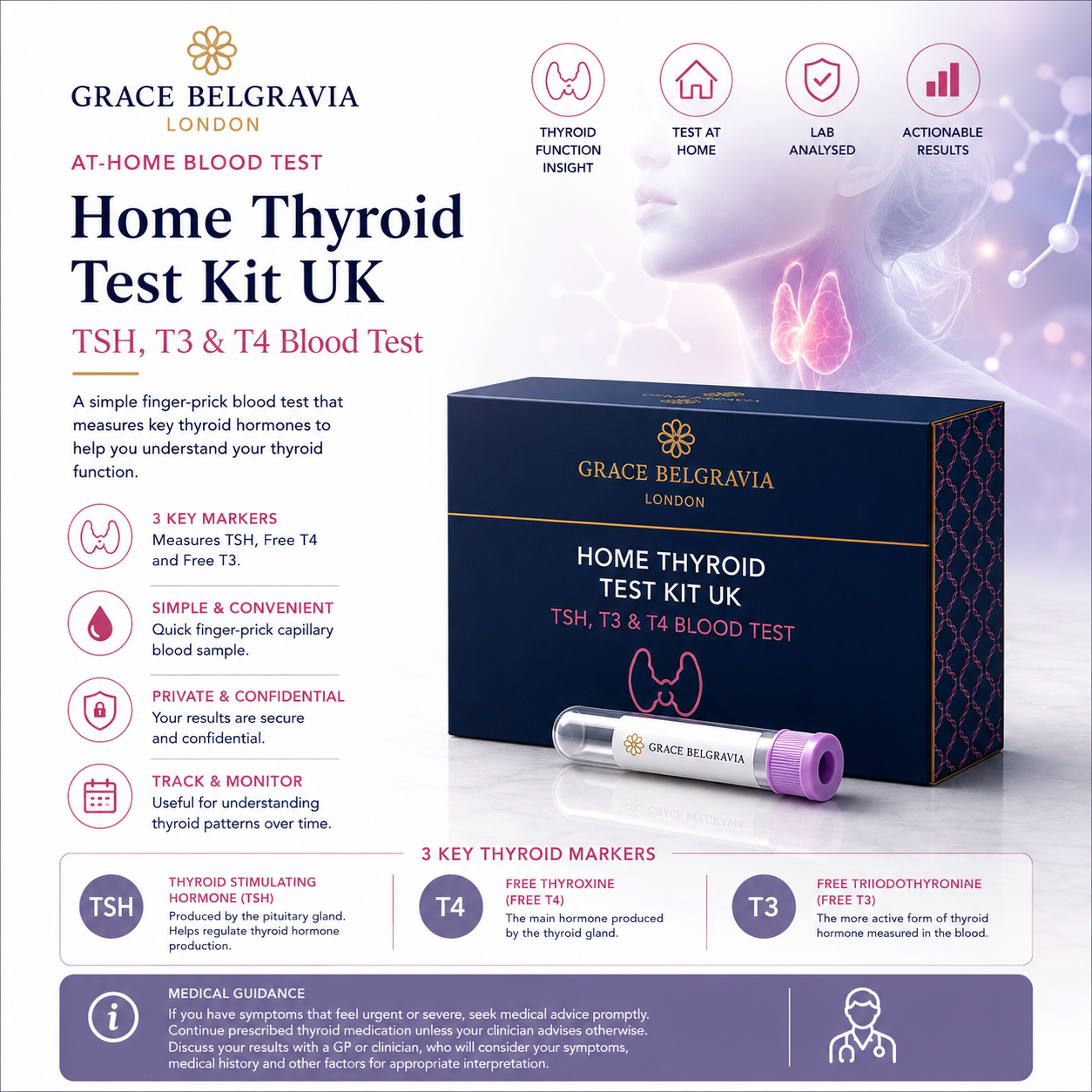
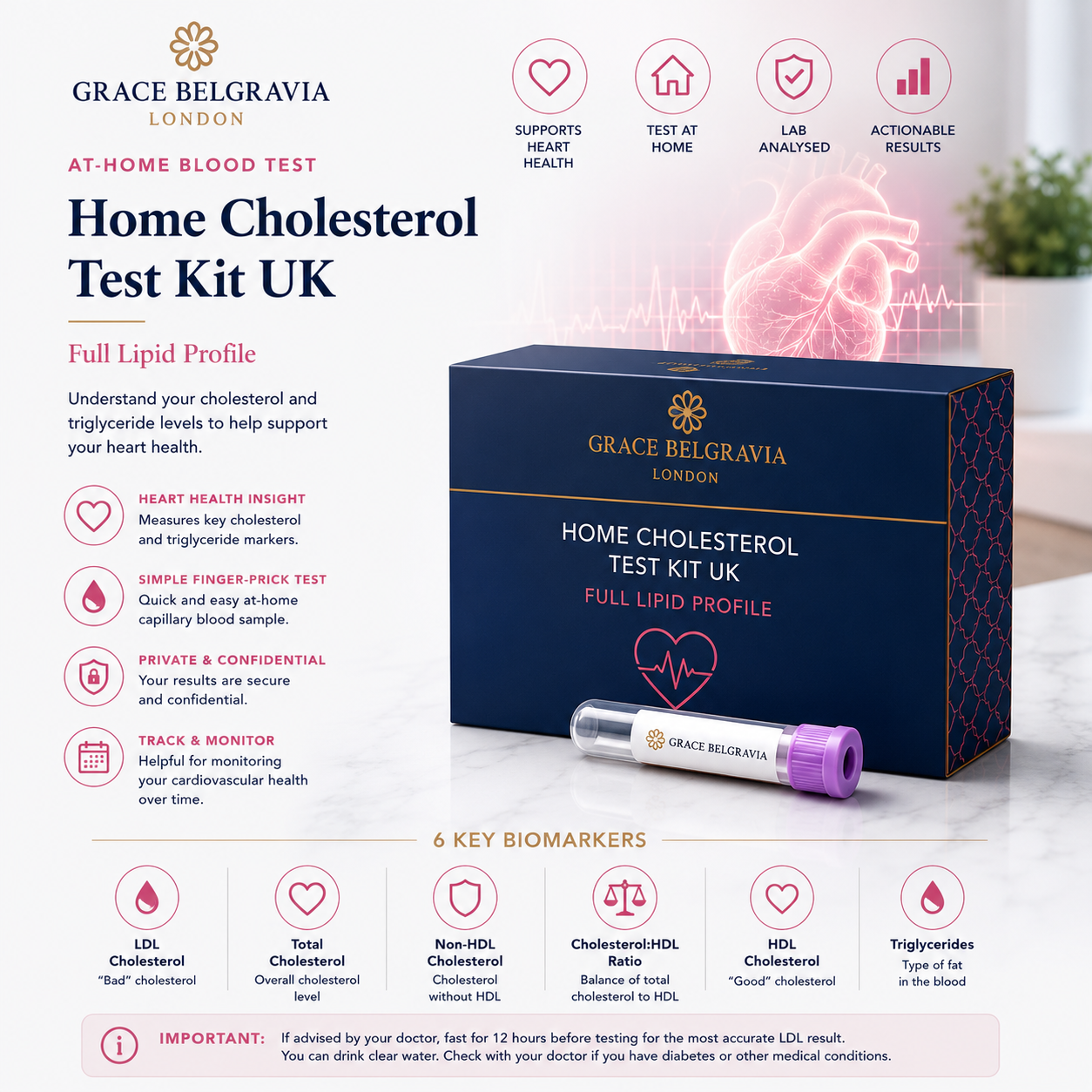
Home Thyroid Test Kit UK – TSH, T3 & T4 Blood Test
A focused thyroid route when symptoms such as tiredness, palpitations, temperature sensitivity, mood change or weight change may not be explained by menopause alone.

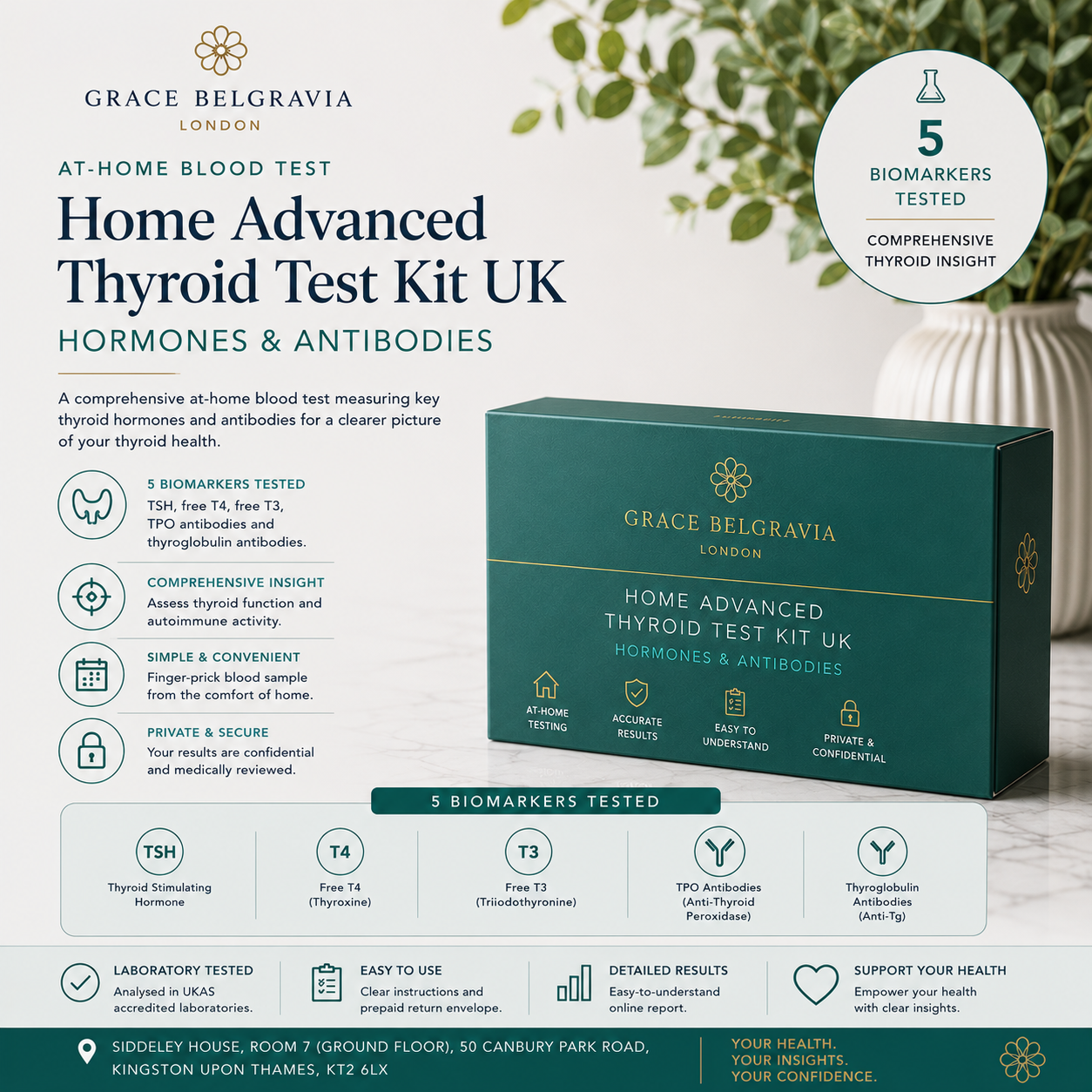
Home Advanced Thyroid Test Kit UK – Hormones & Antibodies
A broader thyroid panel for people who specifically need the additional antibody markers listed on the product page.

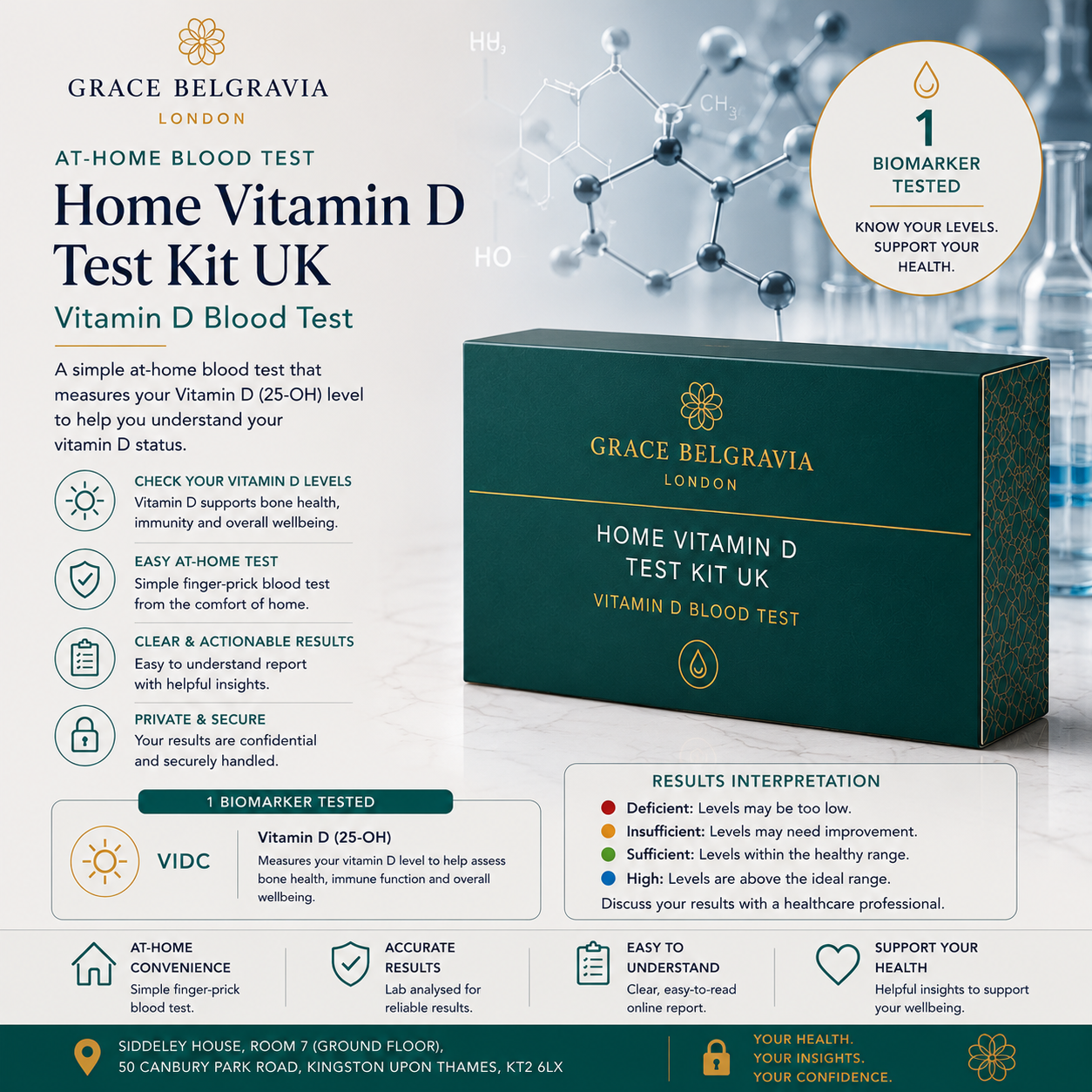
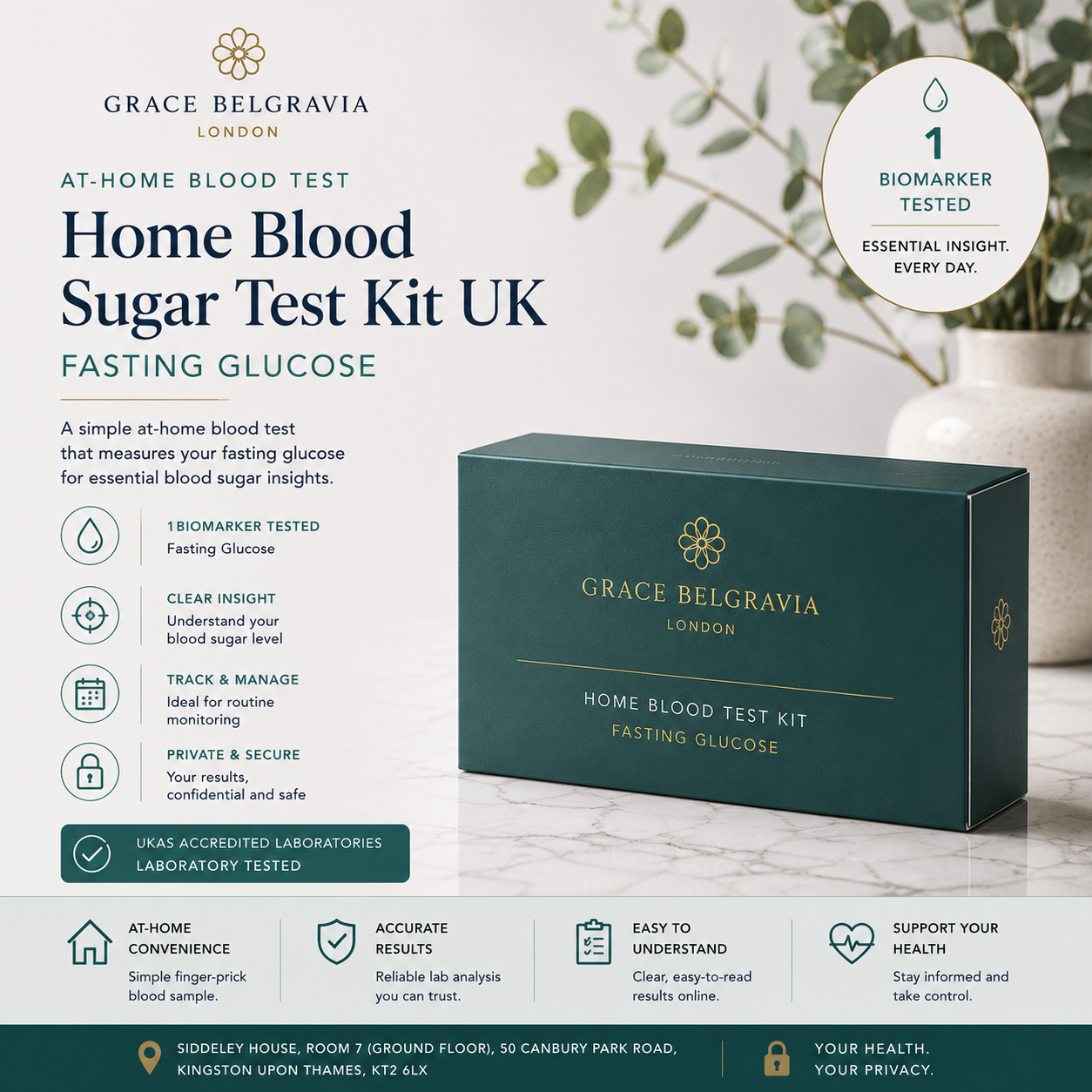
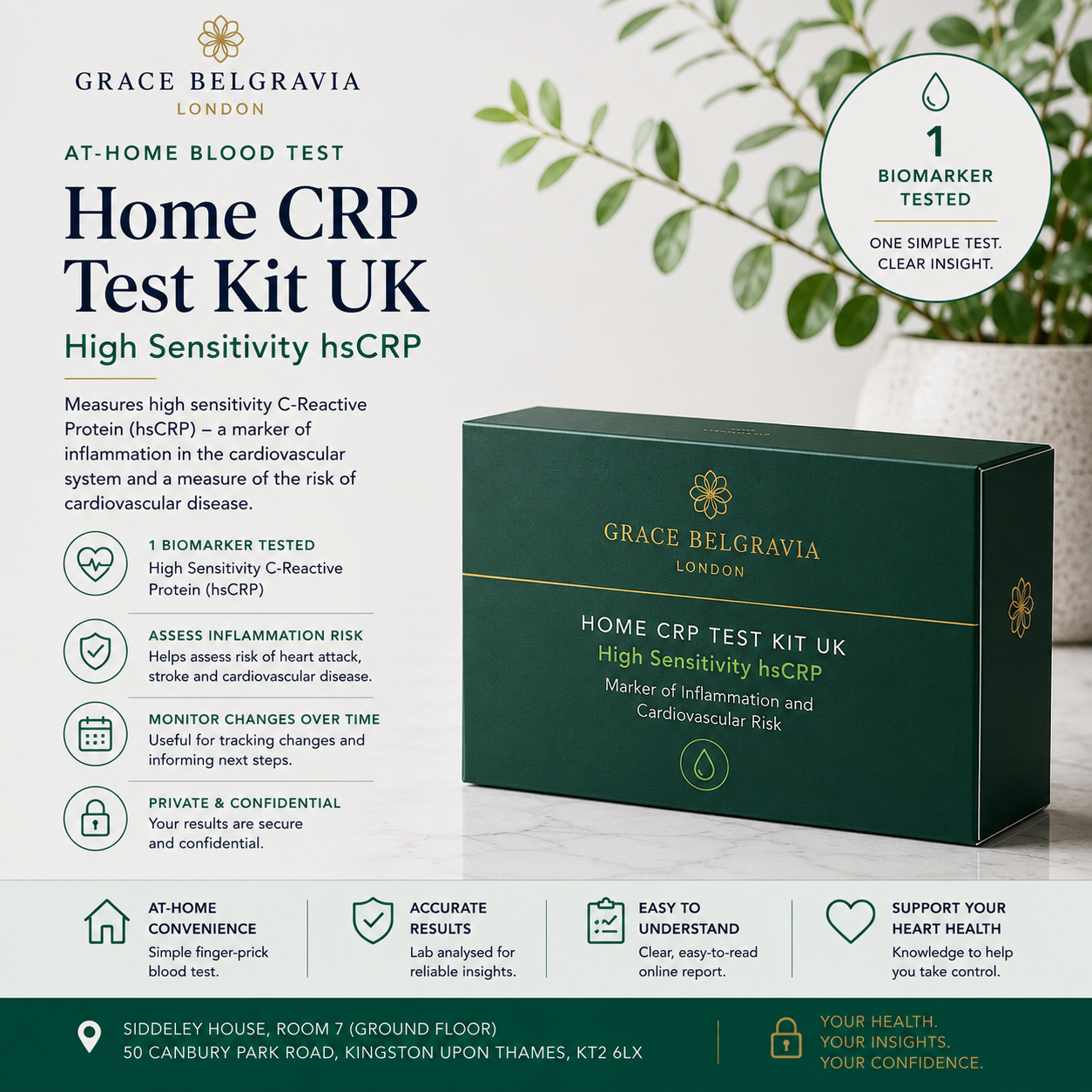
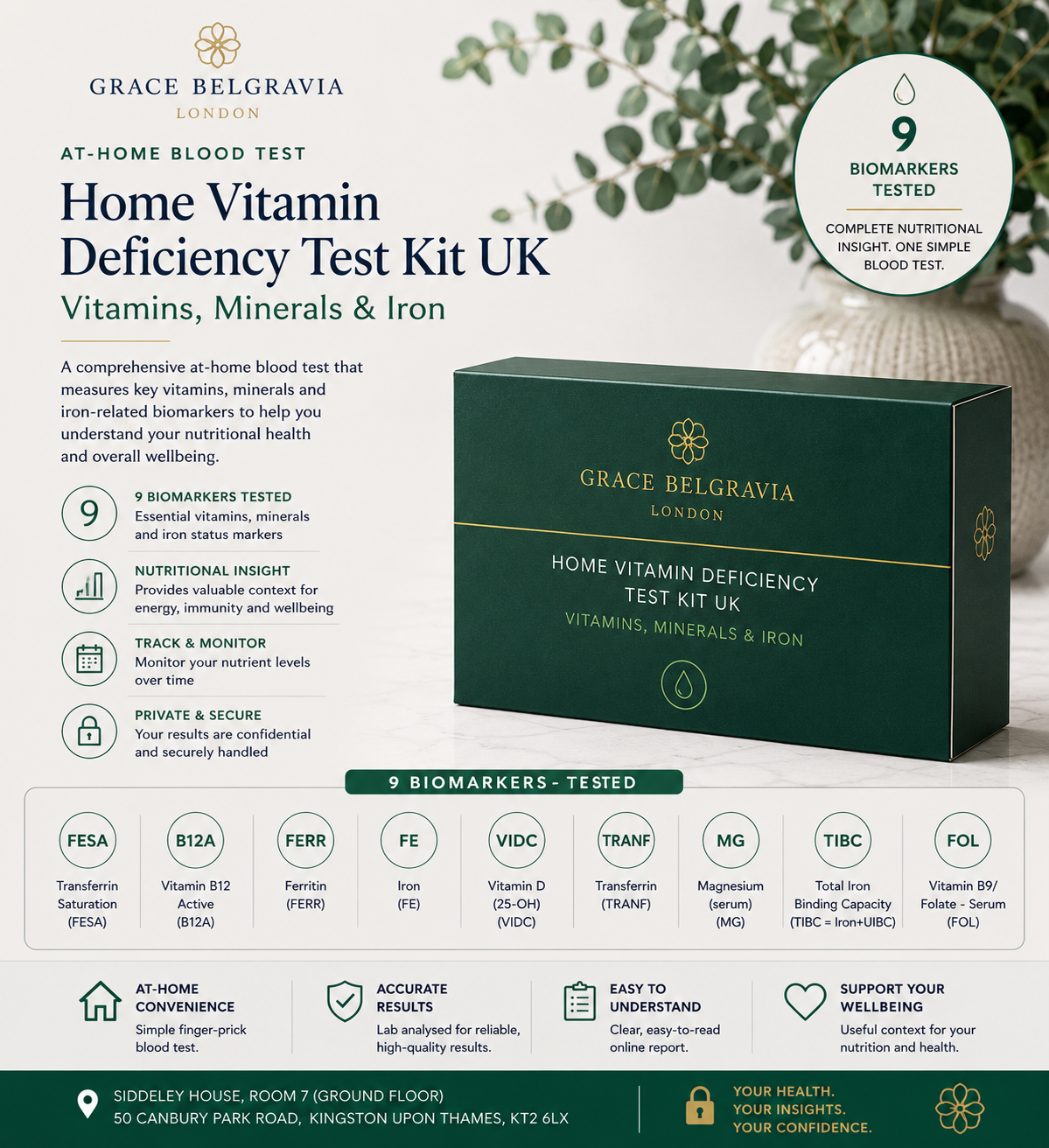
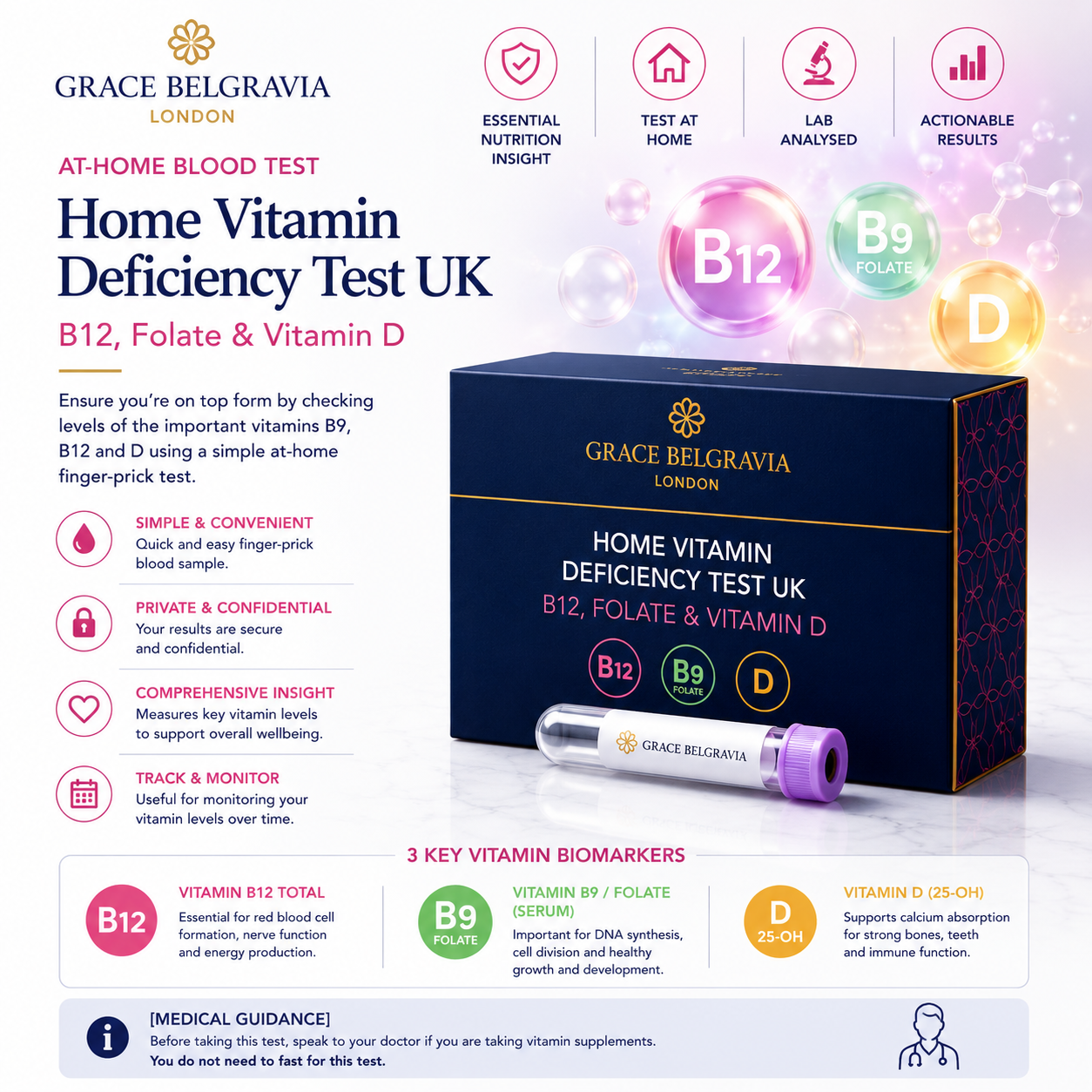
Home Vitamin D Test Kit UK – Vitamin D Blood Test
A single-marker vitamin D test for a defined status question. Menopause-related bone health depends on several factors and is not assessed by vitamin D alone.
Side-by-side guide
Compare menopause-related home blood tests
Female Hormone Test
Thyroid Function Test
Advanced Thyroid Test
Vitamin D Test
Plain-English biomarker guide
Hormone and related markers explained
Timing and preparation
Improve the usefulness of any selected test
Laboratory and testing standards
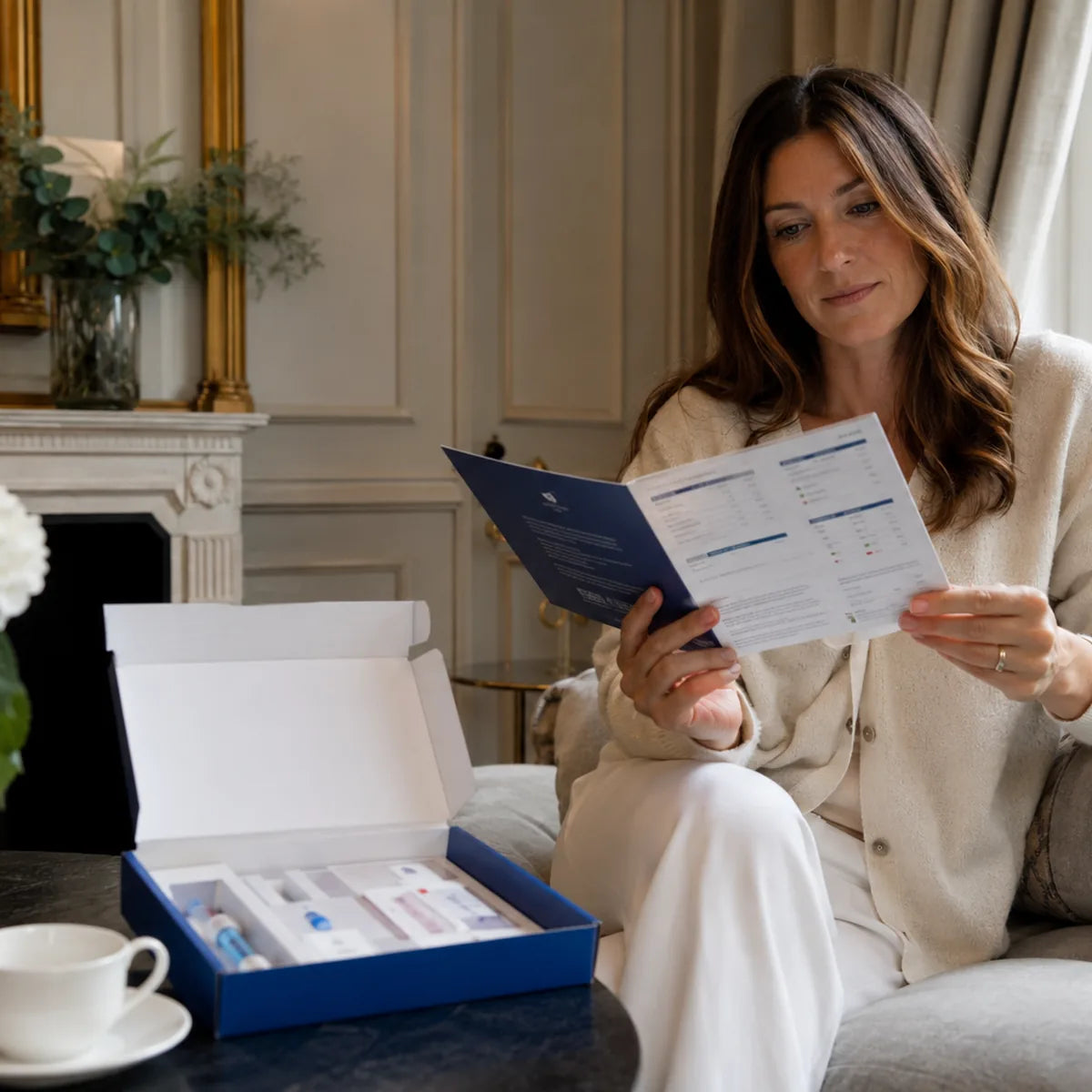
Home collection supported by a defined laboratory pathway
Hormone, thyroid and vitamin D results require assay-specific quality controls and appropriate interpretation. Check the current product specification for sample, laboratory, accreditation and reporting details.
- Sample identity and acceptance checks
- Assay-specific quality-control procedures
- Defined sample stability and return requirements
- Secure digital reporting
- Clear test scope and limitations

Medical and editorial review
Medically checked menopause guidance

Dr Laura Geige
Medical Director, Senior Practitioner and Skin Expert
Reviewed clinical diagnosis boundaries, urgent bleeding advice and responsible HRT wording.
View professional profile
Dr Rimas Geiga
Medical Doctor, Nutritional Sciences Adviser and Healthy Ageing Expert
Reviewed vitamin D, bone-health, metabolic and healthy-ageing context.
View professional profile
Veronika Matutyte
Medical Doctor and Healthcare Management Expert
Reviewed assay limitations, preparation, treatment interference and follow-up safeguards.
View professional profileAuthoritative UK references
Menopause, thyroid and bone-health guidance
Frequently asked questions
Menopause and perimenopause test FAQs
Do I need a blood test to diagnose menopause?
Usually not if you are aged 45 or over and have typical symptoms and menstrual changes. NICE recommends clinical identification in this group.
When may FSH testing be considered?
FSH may be considered in selected people aged 40 to 45 with symptoms and cycle change, or under 40 when menopause is suspected.
Can one normal FSH result rule out perimenopause?
No. FSH fluctuates during perimenopause and one result may not reflect the wider clinical picture.
Can HRT affect hormone blood tests?
Yes. HRT and hormonal contraception can alter hormone levels and bleeding patterns. Do not stop treatment without advice.
Why might thyroid testing be relevant?
Thyroid dysfunction can cause tiredness, palpitations, temperature sensitivity, weight and mood changes that overlap with menopause symptoms.
Should I choose the focused or advanced thyroid test?
Use the focused test for thyroid-function context. Use the advanced panel only when antibody information is specifically relevant.
Does vitamin D testing diagnose osteoporosis?
No. Vitamin D is one aspect of bone health. Osteoporosis assessment may require fracture-risk assessment and bone-density scanning.
Can AMH diagnose menopause?
No. NICE advises against using AMH to identify perimenopause or menopause in people aged 45 or over.
Can blood tests tell me whether HRT is suitable?
Not by themselves. HRT suitability depends on symptoms, medical history, bleeding pattern, risks, preferences and clinical assessment.
What should I do about bleeding after menopause?
Arrange prompt medical assessment. Do not rely on a home hormone test.
Can biotin affect thyroid results?
Yes. High-dose biotin supplements can interfere with some thyroid and hormone assays.
Are the product images fully visible on mobile?
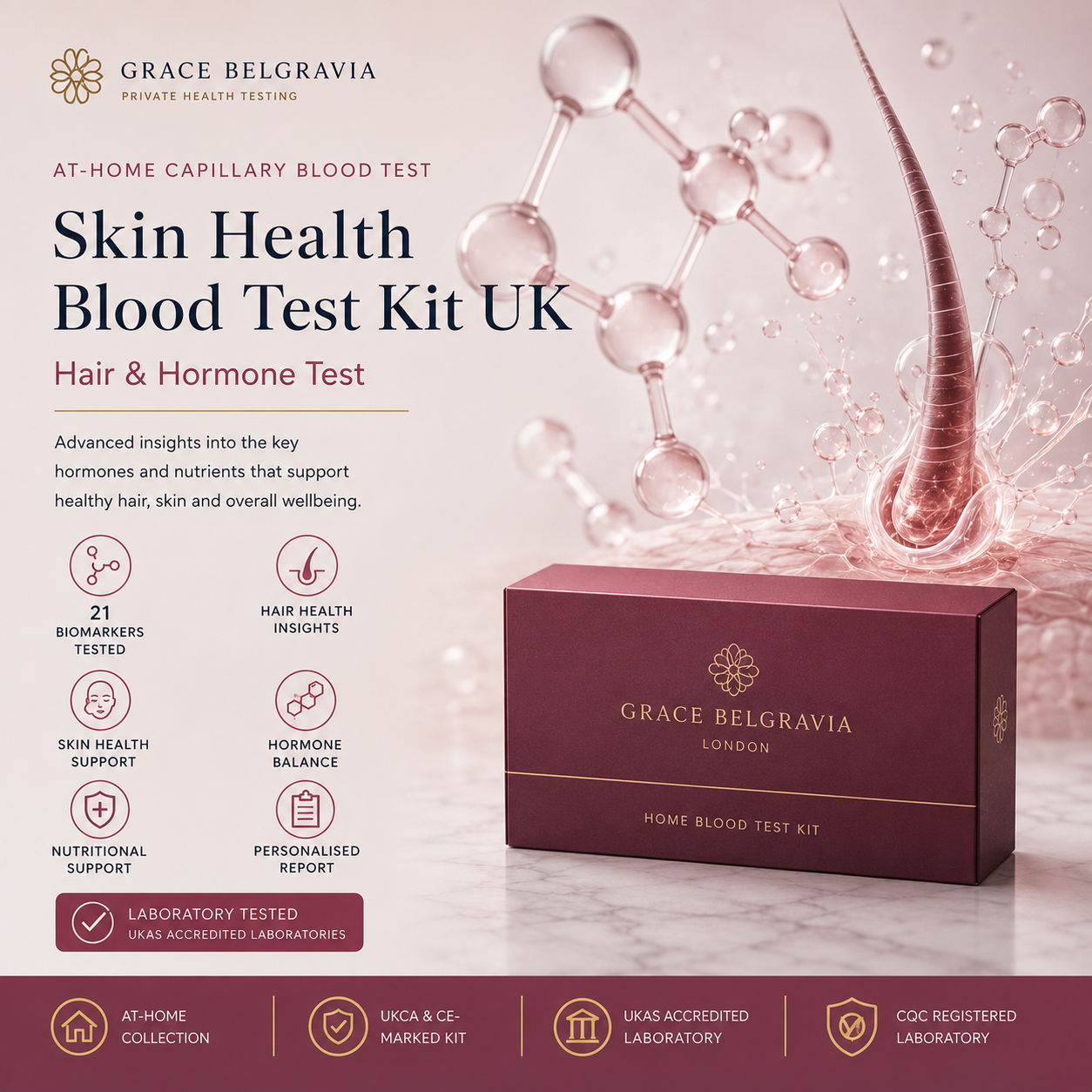
Yes. Every product image uses uncropped contain scaling so the complete packaging and printed text remain visible.